Understanding Sciatica: Causes, Symptoms, and Treatment Options

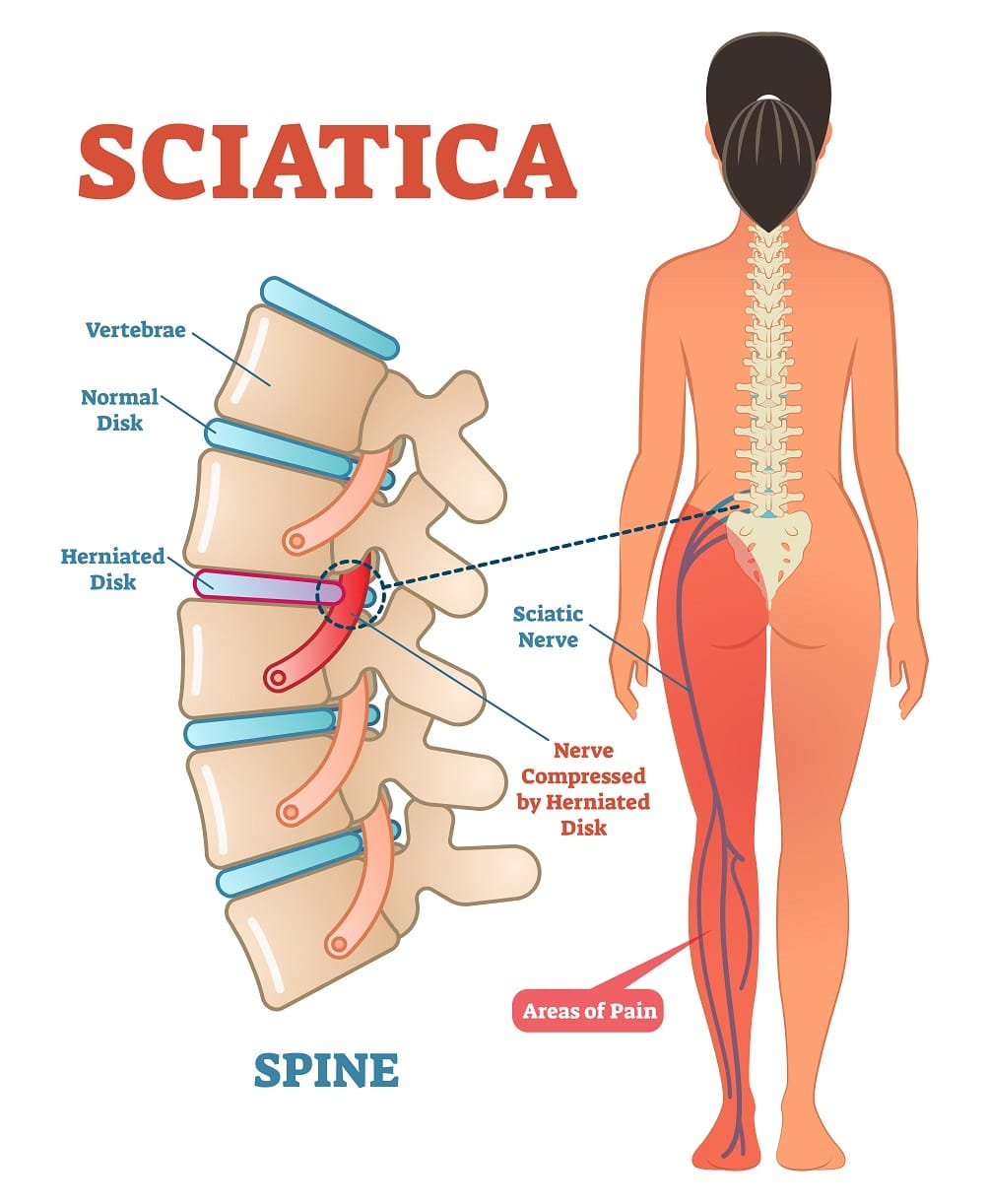
Introduction: Sciatica is a prevalent and debilitating condition that affects millions of people worldwide. Characterized by pain, numbness, and tingling radiating down the leg, sciatica can severely impact a person's quality of life. In this comprehensive blog, we will delve into the causes, symptoms, and various treatment options for sciatica.
Causes of Sciatica: Sciatica is primarily caused by the compression or irritation of the sciatic nerve, the longest nerve in the body. The common causes include herniated discs, spinal stenosis, degenerative disc disease, piriformis syndrome, and even pregnancy. Understanding the underlying cause is crucial for effective treatment.
Symptoms of Sciatica: The hallmark symptom of sciatica is the shooting pain that travels down the leg, often starting from the lower back or buttocks. Other symptoms include numbness, tingling, weakness in the leg, and difficulty in standing or walking. The intensity of the pain can vary from mild discomfort to excruciating agony.
Risk Factors: Certain factors increase the risk of developing sciatica, such as age, obesity, sedentary lifestyle, and occupations that involve prolonged sitting. Additionally, improper lifting techniques and inadequate back support may contribute to the onset of sciatica.
Diagnosis: Diagnosing sciatica involves a thorough physical examination and medical history assessment. Imaging tests like X-rays, MRI, or CT scans help identify the source of nerve compression, guiding proper treatment planning.
Treatment Options:
-
Conservative Approaches: Most cases of sciatica can be managed with conservative treatments such as rest, ice or heat therapy, over-the-counter pain medications, and physical therapy exercises to strengthen the core and back muscles.
-
Medications: Pain relievers, anti-inflammatory drugs, and muscle relaxants may be prescribed to alleviate the discomfort and reduce inflammation around the affected nerve.
-
Injections: Corticosteroid injections directly into the affected area can provide temporary relief by reducing inflammation and easing the pressure on the sciatic nerve.
-
Chiropractic Care: Chiropractors can manipulate the spine to realign vertebrae, easing pressure on the nerve and improving overall spinal health.
-
Surgery: In severe cases where conservative treatments are ineffective, surgery may be considered to remove the source of compression, such as a herniated disc or bone spur.
-
Alternative Therapies: Acupuncture, yoga, and massage therapy are some alternative approaches that some people find helpful in managing sciatica symptoms.
Prevention: Taking proactive measures to prevent sciatica is essential, especially for those with risk factors. Maintaining a healthy weight, practicing good posture, exercising regularly, and using proper lifting techniques can reduce the likelihood of developing sciatica.
Living with Sciatica: Living with sciatica can be challenging, but with the right support and management techniques, individuals can minimize its impact on their lives. Engaging in low-impact exercises, using ergonomic furniture, and avoiding prolonged sitting can make a significant difference.
Conclusion: Sciatica is a condition that affects numerous individuals globally, causing pain and discomfort in the lower back and legs. By understanding its causes, symptoms, and treatment options, those suffering from sciatica can make informed decisions about managing their condition effectively. Remember, early diagnosis and appropriate treatment play a vital role in easing sciatica symptoms and improving overall well-being.