Understanding Sciatica: Causes, Symptoms, and Effective Management

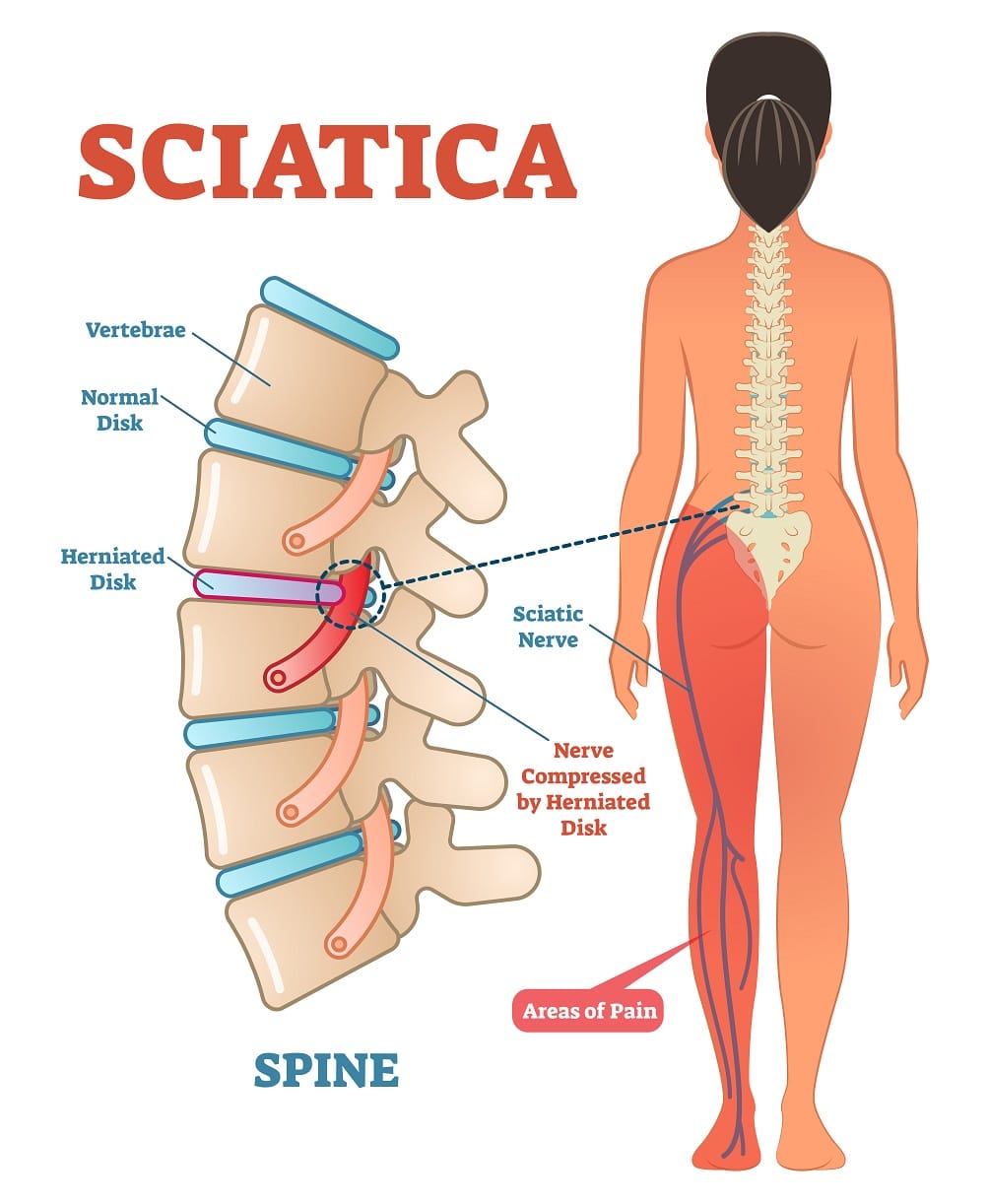
Sciatica is a common and often debilitating condition that affects millions of people worldwide. It's characterized by intense pain that radiates along the path of the sciatic nerve, which runs from the lower back down through the hips, buttocks, and legs. In this comprehensive guide, we will delve into the causes, symptoms, and effective management strategies for sciatica.
Causes of Sciatica: Sciatica typically occurs when the sciatic nerve is compressed or irritated. Common causes include herniated discs, spinal stenosis, bone spurs, and even muscle inflammation. These factors can exert pressure on the nerve, leading to pain and discomfort.
Symptoms to Watch For: The hallmark symptom of sciatica is a sharp, shooting pain that travels down the leg. This pain can be accompanied by tingling, numbness, or weakness in the affected leg or foot. The intensity of the symptoms can vary widely from person to person, with some experiencing a mild ache while others endure excruciating pain.
Diagnosis and Medical Evaluation: If you suspect you have sciatica, it's crucial to seek medical evaluation. A healthcare professional will take your medical history, conduct a physical examination, and may recommend imaging tests such as X-rays or MRI scans to pinpoint the underlying cause of your symptoms.
Effective Management Strategies:
-
Pain Relief Medications: Over-the-counter pain relievers like ibuprofen or naproxen can help alleviate pain and reduce inflammation.
-
Physical Therapy: Specific exercises and stretches can help strengthen the muscles around the sciatic nerve, providing support and reducing pressure on the nerve.
-
Hot and Cold Therapy: Applying heat packs or ice packs to the affected area can provide temporary relief and reduce inflammation.
-
Lifestyle Adjustments: Maintaining good posture, using ergonomic furniture, and avoiding prolonged sitting can prevent exacerbation of symptoms.
-
Alternative Therapies: Techniques such as acupuncture, chiropractic care, and yoga have been reported to provide relief for some individuals.
-
Invasive Interventions: In severe cases, a healthcare provider might recommend corticosteroid injections or, as a last resort, surgery to alleviate pressure on the sciatic nerve.
Preventing Future Episodes: While sciatica can be challenging to prevent entirely, certain lifestyle changes can significantly reduce the risk of recurrence. Regular exercise, maintaining a healthy weight, and practicing proper body mechanics when lifting or bending can all contribute to preventing future episodes.
Seek Professional Guidance: It's important to note that self-diagnosis and treatment may worsen the condition. If you suspect you have sciatica or are experiencing symptoms, consult a medical professional for an accurate diagnosis and appropriate treatment plan.
In Conclusion: Sciatica can be a painful and disruptive condition, but with the right approach, it can be effectively managed. By understanding the causes, recognizing the symptoms, and implementing appropriate management strategies, individuals can find relief and improve their quality of life. Remember, seeking professional medical advice is crucial for an accurate diagnosis and personalized treatment. Don't let sciatica hold you back – take proactive steps towards a pain-free future.