Understanding Proton Pump Inhibitors And Their Role In Acid Reflux Management

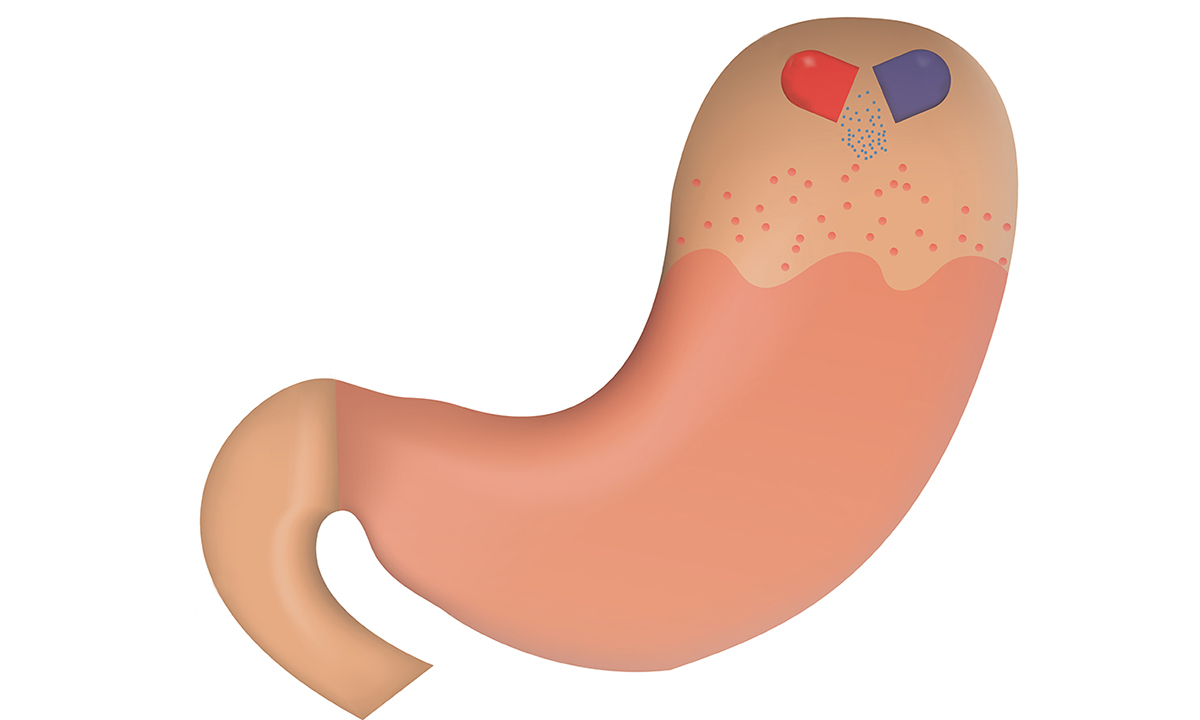
Proton Pump Inhibitors (PPIs) are a class of medications commonly prescribed to treat acid-related gastrointestinal conditions. Acid reflux, also known as gastroesophageal reflux disease (GERD), is a prevalent condition that affects millions of people worldwide. PPIs work by reducing the production of stomach acid, which helps alleviate symptoms such as heartburn, regurgitation, and chest pain. When we eat, the stomach produces acid to aid in the digestion of food. However, in some individuals, the lower esophageal sphincter (LES) - the muscular ring that separates the esophagus from the stomach - weakens, allowing stomach acid to flow back into the esophagus, causing discomfort and irritation.
Proton Pump Inhibitors target an enzyme called the proton pump, which is responsible for the final step in acid production. By inhibiting this pump, PPIs effectively decrease acid secretion, offering relief from GERD symptoms. Commonly prescribed PPIs include omeprazole, esomeprazole, lansoprazole, pantoprazole, and rabeprazole.
While PPIs are generally safe and effective when used as prescribed, they may have some potential side effects, such as headaches, nausea, and diarrhea. Long-term use may also lead to decreased absorption of certain nutrients, such as calcium and magnesium, raising concerns about bone health. Therefore, it's essential to use Proton Pump Inhibitors under the guidance of a healthcare professional and for the shortest duration necessary. Proton Pump Inhibitors are valuable medications for managing acid reflux and related conditions. However, individuals should be aware of potential side effects and follow their doctor's advice to ensure safe and effective treatment.