Understanding Cytokines: The Mighty Messengers of the Immune System

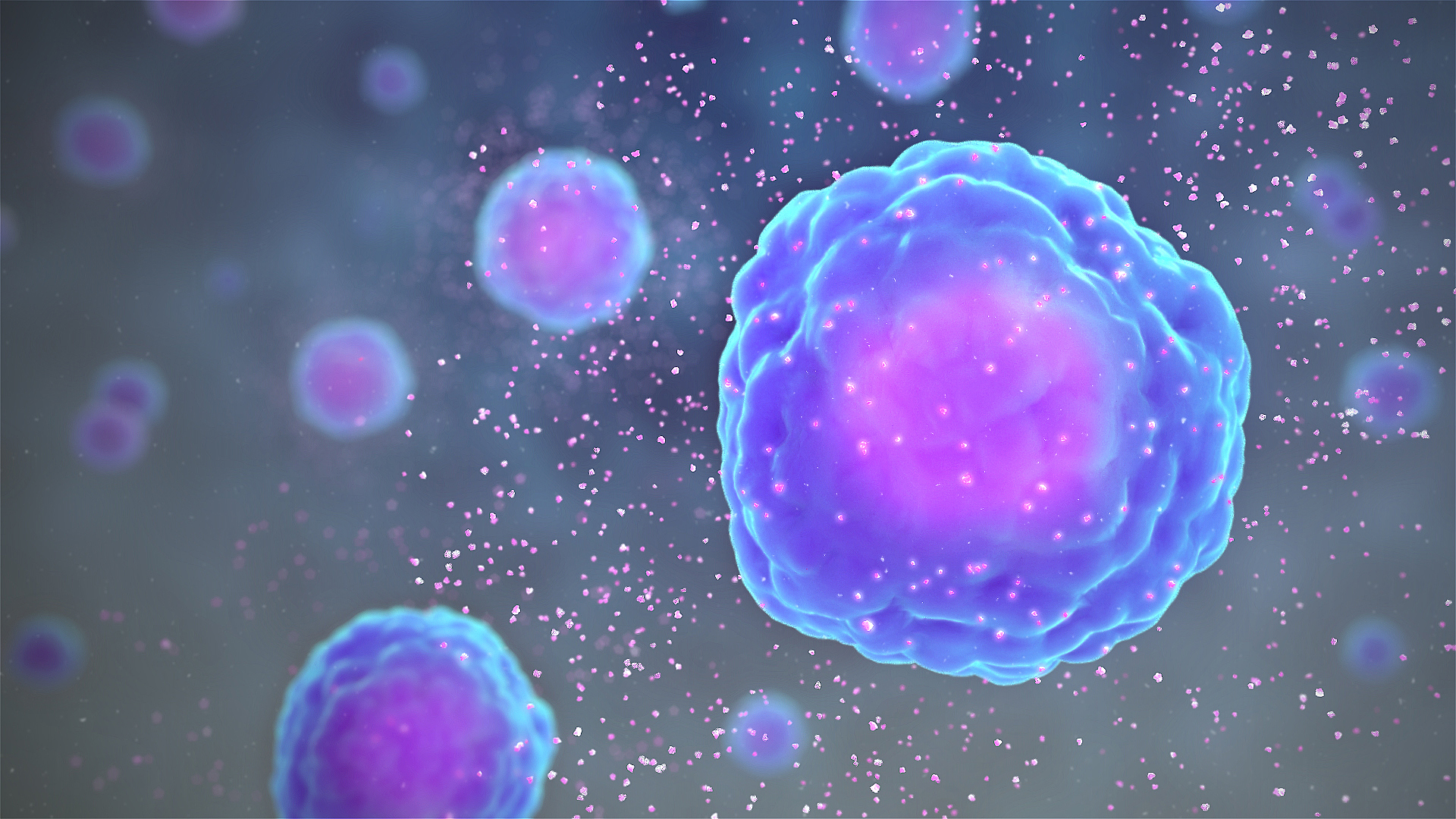
Introduction: Cytokines are powerful signaling molecules that play a crucial role in orchestrating the immune response within the human body. These small proteins act as messengers, transmitting information between cells to regulate various physiological processes, including inflammation, immunity, and cell proliferation. This blog will delve into the fascinating world of cytokines, exploring their functions, types, and significance in maintaining a balanced immune system.
1. The Basics of Cytokines: Cytokines are produced by different cells, such as immune cells (T cells, B cells, macrophages) and non-immune cells (endothelial cells, fibroblasts). They operate in both autocrine (acting on the same cell that secretes them) and paracrine (acting on nearby cells) manners. These versatile molecules can have pro-inflammatory, anti-inflammatory, or regulatory effects, depending on the context in which they are released.
2. Key Functions of Cytokines: Cytokines regulate various immune responses, including inflammation, immune cell maturation, and differentiation. They are involved in enhancing or suppressing the immune system's activities, thereby playing a critical role in defending the body against infections and diseases.
3. Major Types of Cytokines: There are several types of cytokines, each with distinct functions. Some prominent ones include Interleukins (IL), Tumor Necrosis Factors (TNF), Interferons (IFN), Chemokines, and Growth Factors. Interleukins, for instance, are involved in cell communication and immune response modulation, while Interferons are crucial for combating viral infections.
4. The Link Between Cytokines and Diseases: Imbalances in cytokine production can lead to various health issues. Excessive cytokine release can cause a cytokine storm, a severe immune response that can damage tissues and organs. Cytokine imbalances have been associated with autoimmune diseases, allergies, and chronic inflammatory conditions like rheumatoid arthritis.
5. Cytokines in Immunotherapy: Recent advances in medical research have harnessed cytokines for immunotherapy. Cytokine-based treatments are used to bolster the immune system's response to cancer and other diseases. For example, Interleukin-2 (IL-2) is used to stimulate immune cells in cancer treatment.
6. Regulation of Cytokine Response: The immune system tightly controls cytokine production to maintain homeostasis. Dysregulation can have dire consequences. Understanding the factors that influence cytokine release is crucial for developing targeted therapies and managing immune-related disorders.
7. Future Prospects and Research: Ongoing research in the field of immunology continues to uncover new cytokines and their functions, shedding light on potential therapeutic avenues. Investigating cytokine networks and their intricate interplay with immune cells holds promise for advancing medicine and improving patient outcomes.
8. Cytokines and Infectious Diseases: Cytokines play a pivotal role in fighting infectious diseases. During an infection, immune cells detect the presence of pathogens and release cytokines to activate an immune response. This process helps recruit more immune cells to the site of infection, enhances their activity, and promotes the destruction of invading pathogens. However, an excessive cytokine response can sometimes lead to severe inflammatory conditions, as seen in cases of severe viral infections like COVID-19.
9. Cytokines and Allergies: Allergic reactions occur when the immune system overreacts to harmless substances like pollen or pet dander. Cytokines, particularly histamine-releasing ones like IL-4 and IL-13, play a significant role in triggering allergic responses. Understanding these cytokines' mechanisms has led to the development of anti-allergy medications that target specific cytokine receptors, providing relief to allergy sufferers.
10. Therapeutic Targeting of Cytokines: The intricate involvement of cytokines in various diseases has opened doors for targeted therapies. Monoclonal antibodies against specific cytokines or their receptors are designed to block their activity and reduce inflammation. For example, anti-TNF drugs have revolutionized the treatment of inflammatory conditions such as Crohn's disease and rheumatoid arthritis.
Conclusion: Cytokines are the unsung heroes of the immune system, orchestrating a symphony of responses that keep us healthy and protect us from infections. Their intricate signaling pathways and multifaceted functions make them an exciting area of research in immunology and medicine. Understanding cytokines better will undoubtedly lead to innovative therapies and advancements in human health.