Thrombin Inhibitors: The Future of Blood Clot Prevention

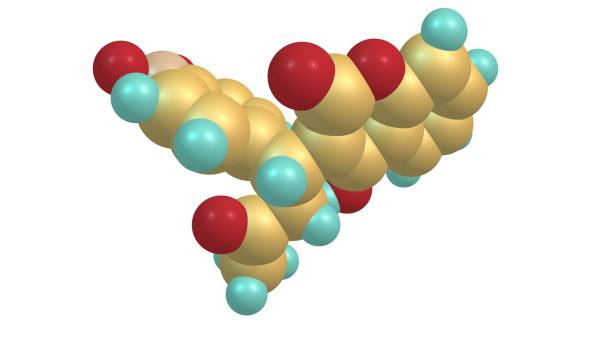
Blood clots or thrombus formation is a natural process in our body that helps stop bleeding from a cut or wound. However, excessive or abnormal clotting can lead to life-threatening conditions like heart attack, stroke, deep vein thrombosis or pulmonary embolism. Thrombin is a key enzyme that plays an important role in blood clotting. Thrombin inhibitors are drugs that help prevent excessive clotting by blocking the action of thrombin. These new class of drugs hold promise to revolutionize the prevention and treatment of various thrombotic disorders.
Direct Thrombin Inhibitors
The most direct approach to inhibit thrombin is to use molecules that directly bind to the active site of thrombin and block its enzymatic activity. Some well-known direct thrombin inhibitors include bivalirudin, argatroban and dabigatran. These drugs directly bind to thrombin and prevent it from cleaving fibrinogen to form fibrin fibers which are the building blocks of clots. Bivalirudin is approved for use in patients undergoing percutaneous coronary intervention (PCI) procedures like angioplasty to prevent clots from forming in the arteries. It has been shown to be as effective as heparin in reducing clot formation with fewer side effects of bleeding.
Indirect Thrombin Inhibitors
Apart from directly blocking the active site, thrombin can also be inhibited through indirect mechanisms. One approach is to target thrombin's interaction with other co-factors through which it promotes clotting. Some examples of such indirect inhibitors are fondaparinux and idraparinux.
Oral Anti-coagulants
While initial thrombin inhibitors like bivalirudin and argatroban were given via intravenous injections, the development of oral thrombin inhibitors greatly improved patient convenience and outcomes. The first oral direct thrombin inhibitor to be approved was ximelagatran. However, it was later withdrawn from the market due to toxicity issues. The next major breakthrough was the approval of dabigatran - the first oral direct thrombin inhibitor to gain widespread clinical use.
Future Possibilities
Thrombin inhibitors hold tremendous potential in transforming the prevention and treatment of various thrombotic diseases. Research is ongoing to develop newer thrombin inhibitors with even higher target specificity, oral formulations, and improved safety profiles. Injectable thrombin inhibitors may have applications in perioperative setting and during procedures like PCI or surgery to rapidly reduce the risk of thrombosis. Development of reversible thrombin inhibitors allows for rapid clearance of drugs in case of bleeding risks.
Conclusion
In conclusion, the development of thrombin inhibitors over the past few decades has substantially improved our ability to prevent life-threatening clots. Drugs targeting thrombin both directly and indirectly have revolutionized anticoagulation therapy. In particular, the availability of direct oral thrombin inhibitors like dabigatran have greatly simplified treatment while improving safety compared to older agents like heparin and warfarin. Continuous research holds promise to deliver novel thrombin inhibitors with unprecedented precision in anticoagulation management. Overall, thrombin inhibitors are emerging as a cornerstone of modern strategies for blood clot prevention and represent an immense clinical advancement.