Stem Cell Manufacturing: Pioneering the Future of Regenerative Medicine

Introduction
Stem cells hold immense promise in the field of regenerative medicine, offering the potential to repair and regenerate damaged tissues and organs. However, harnessing their therapeutic potential requires a sophisticated process known as stem cell manufacturing. This groundbreaking field combines science, technology, and strict quality control to produce standardized, safe, and effective stem cell therapies. In this blog, we will explore the fascinating world of stem cell manufacturing, its significance, and how it is revolutionizing the future of medicine.
1. The Power of Stem Cells in Regenerative Medicine
Stem cells are unique cells with the remarkable ability to differentiate into various cell types and self-renew, making them an invaluable resource for repairing and regenerating damaged or diseased tissues. They can be obtained from various sources, including embryonic tissue, adult tissues like bone marrow or adipose tissue, and induced pluripotent stem cells (iPSCs) derived from mature cells through reprogramming. Stem cell therapies hold the potential to treat a wide range of conditions, from degenerative diseases to injuries and genetic disorders.
2. Stem Cell Manufacturing: A Multifaceted Process
Stem cell manufacturing is a complex and tightly regulated process that involves several stages to ensure the production of safe and effective therapies:
a. Sourcing and Isolation: Stem cells can be obtained from various sources, and the specific type of stem cell needed determines the extraction process. For example, bone marrow or adipose tissue is commonly used for adult stem cells, while embryonic stem cells may be derived from donated embryos.
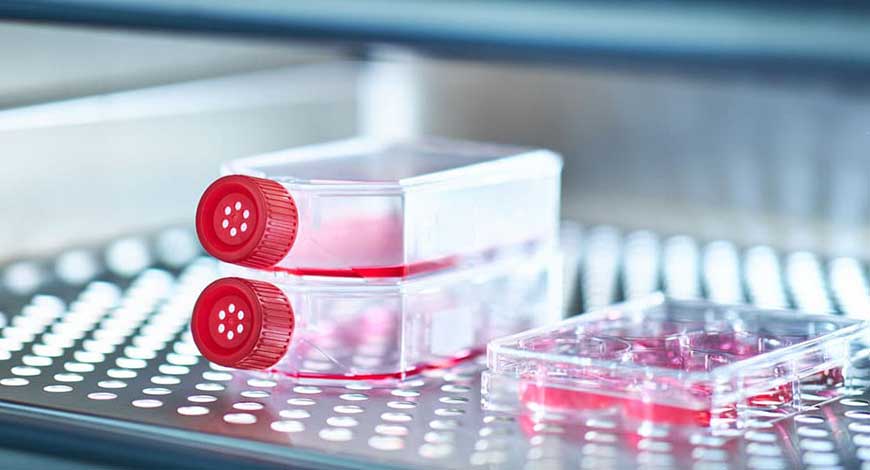
b. Expansion and Culture: Once isolated, stem cells need to be expanded and grown in culture to obtain sufficient quantities for therapeutic use. Specialized growth media and conditions are employed to maintain their stemness and prevent differentiation.
c. Quality Control and Characterization: Rigorous quality control measures are essential throughout the manufacturing process. Stem cells must be thoroughly characterized to ensure they meet safety and efficacy standards.
d. Cryopreservation: Stem cells are often cryopreserved to maintain their viability and stability for future use. Cryopreservation involves freezing the cells at very low temperatures.
e. Administration and Patient Monitoring: Finally, the manufactured stem cells are administered to the patient through various delivery methods, such as injections or infusions. Close monitoring of patients is crucial to assess treatment outcomes and potential side effects.
3. Advancements in Stem Cell Manufacturing
As the field of stem cell research continues to evolve, so does stem cell manufacturing. Advances in automation, bioreactor technologies, and innovative culture techniques are streamlining the manufacturing process, enabling more cost-effective and scalable production of stem cell therapies. Additionally, advancements in gene editing technologies like CRISPR-Cas9 are opening new possibilities for modifying stem cells for precise therapeutic applications.
4. Regulatory Challenges
The development of stem cell therapies faces complex regulatory challenges. Regulators must strike a delicate balance between ensuring patient safety and allowing timely access to cutting-edge treatments. Stringent regulatory guidelines aim to promote scientific rigor, transparency, and ethical considerations in stem cell manufacturing.
5. The Future of Stem Cell Manufacturing
The future of stem cell manufacturing holds immense potential. It is expected to play a pivotal role in personalized medicine, where stem cell therapies are tailored to individual patients based on their unique genetic profiles. Additionally, with ongoing research and technological advancements, stem cell therapies may become more widely available and cost-effective, transforming the landscape of medical treatments.
Conclusion
Stem cell manufacturing is a groundbreaking field that holds the key to unlocking the full therapeutic potential of stem cells. From repairing damaged tissues to treating a range of diseases and injuries, stem cell therapies offer hope for millions of patients worldwide. As research and technology continue to advance, stem cell manufacturing will become more refined, allowing us to harness the remarkable regenerative abilities of stem cells and pave the way for a future where debilitating diseases are treated and lives are transformed. With strict adherence to quality standards, ethical considerations, and robust regulatory oversight, stem cell manufacturing promises to revolutionize medicine and bring us closer to a new era of regenerative healthcare.