Single-Use Systems in Biopharma Manufacturing: Revolutionizing Efficiency and Safety

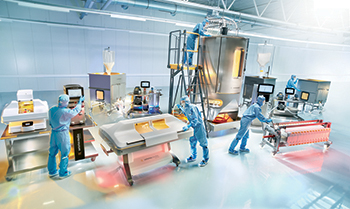
The biopharmaceutical industry is constantly evolving, driven by the need for more efficient and safer manufacturing processes. In recent years, single-use systems have emerged as a game-changer, transforming the way biopharmaceuticals are produced. In this blog, we will delve into the concept of single-use systems in biopharma manufacturing, their advantages, and their significant impact on the industry.
What are Single-Use Systems? Single-use systems, also known as disposable systems, are a revolutionary approach in biopharma manufacturing that involves using pre-sterilized, ready-to-use components for the production of biologics. These systems are designed to be used once and then discarded, eliminating the need for extensive cleaning and sterilization between batches.
The Components of Single-Use Systems: Single-use systems consist of a wide range of components, including single-use bioreactors, tubing, connectors, filters, bags, and other disposable containers. These components are made from biocompatible materials that are compatible with the specific biopharmaceutical manufacturing processes.
Advantages of Single-Use Systems: The adoption of single-use systems has brought about several benefits, contributing to the widespread popularity of this approach in biopharma manufacturing:
-
Enhanced Efficiency: Single-use systems eliminate the time-consuming steps of cleaning and validating equipment, significantly reducing downtime between batches. This streamlined process translates to faster production times and increased overall efficiency.
-
Reduced Cross-Contamination Risk: With single-use systems, the risk of cross-contamination between different batches or products is greatly minimized. Since each component is used only once, there is no need for complex cleaning procedures, ensuring product integrity and purity.
-
Cost Savings: While initial investment costs for single-use systems may be higher than traditional stainless steel equipment, the overall cost savings are often substantial due to decreased utility costs, reduced maintenance expenses, and lower validation requirements.
-
Flexibility and Scalability: Single-use systems offer greater flexibility in facility design and layout, as they require less space and infrastructure than traditional fixed stainless steel systems. Additionally, the modular nature of single-use components allows for easy scalability to accommodate varying production needs.
-
Safety and Sustainability: Single-use systems contribute to a safer working environment for operators by reducing exposure to hazardous cleaning agents and potential biohazards. Furthermore, the use of disposable components reduces water and energy consumption, making them more environmentally sustainable.
Applications of Single-Use Systems: Single-use systems are widely utilized across various stages of biopharma manufacturing, including cell culture, fermentation, harvest, purification, and formulation. They are particularly well-suited for producing biologics, such as monoclonal antibodies, vaccines, gene therapies, and other complex biopharmaceutical products.
Conclusion: The integration of single-use systems in biopharma manufacturing has ushered in a new era of efficiency, safety, and flexibility. As the biopharmaceutical industry continues to grow and evolve, these disposable systems will play an increasingly critical role in meeting the demand for innovative and life-saving biologics. By enabling faster production, reducing contamination risks, and promoting sustainability, single-use systems are paving the way for a brighter and more efficient future in biopharma manufacturing.