Single Use Products in Biopharmaceuticals: Revolutionizing the Future of Drug Manufacturing

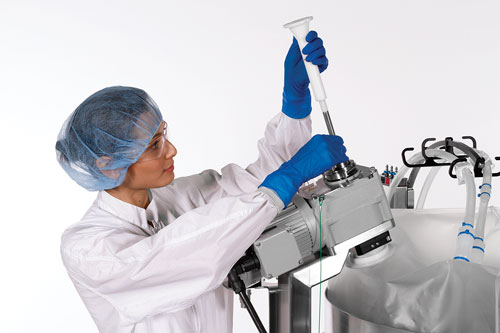
In the fast-paced world of biopharmaceuticals, innovation and efficiency are key to meeting the ever-growing demand for life-saving medications. One of the most significant advancements in recent years has been the widespread adoption of single-use products in the manufacturing process. These game-changing technologies have revolutionized the way drugs are developed, produced, and delivered to patients. In this blog, we will explore the fascinating world of single-use products in biopharmaceuticals and their potential to reshape the industry.
Understanding Single-Use Products: A Paradigm Shift
Traditionally, biopharmaceutical manufacturing relied on stainless steel equipment, which required extensive cleaning and validation processes between each production run. This not only increased turnaround times but also posed the risk of cross-contamination. However, with the advent of single-use products, this age-old paradigm has been disrupted.
The Advantages of Single-Use Bioprocessing
-
Flexibility and Time Efficiency: Single-use products offer unmatched flexibility, allowing manufacturers to quickly switch between different products without lengthy and costly cleaning procedures. This agility has significantly reduced the time it takes to bring new drugs to market.
-
Cost-Effectiveness: By eliminating the need for cleaning and reducing the risk of contamination, single-use systems have streamlined the manufacturing process, resulting in cost savings that can be passed on to patients.
-
Reduced Cross-Contamination Risk: Single-use products are sterile and disposable, virtually eliminating the risk of cross-contamination between batches, ensuring the highest level of product integrity.
-
Sustainability: Apart from their technical benefits, single-use systems also contribute to a more sustainable future by reducing water and energy usage, and generating less waste compared to traditional stainless steel setups.
Applications of Single-Use Products
The adoption of single-use products has extended across various stages of biopharmaceutical manufacturing:
-
Cell Culture: Single-use bioreactors are now widely used for cell culture processes. These closed systems provide an optimal environment for cell growth, with the added benefit of easy scale-up and scale-down capabilities.
-
Filtration and Purification: Single-use filtration systems have proven to be highly effective in achieving product purity, with minimal operator intervention and risk of contamination.
-
Storage and Transportation: Single-use containers for drug substance storage and transportation have simplified logistics and reduced the need for expensive and time-consuming cleaning and validation processes.
Addressing Challenges and Ensuring Quality
While the adoption of single-use products has brought numerous benefits, it has also presented some challenges. For instance, concerns about leachables and extractables from single-use materials have arisen. However, extensive research and development have led to the creation of advanced materials with minimal impact on product quality.
Future Prospects and Ongoing Innovations
The future of single-use products in biopharmaceuticals looks exceptionally promising. As technology advances, we can expect even more sophisticated materials, further reducing the risk of leachables and extractables. Additionally, the continuous development of automation and data analytics will enhance process control and optimization, making single-use systems even more efficient and reliable.
Conclusion: Paving the Way for a Brighter Future
In conclusion, single-use products have emerged as a transformative force in the biopharmaceutical industry, reshaping drug manufacturing and supply chains. Their flexibility, cost-effectiveness, and reduced contamination risk make them indispensable tools for both established pharmaceutical companies and emerging biotech startups. As we continue to witness ongoing innovations, the future of biopharmaceutical manufacturing looks brighter than ever before. Embracing single-use technologies is not just a trend but a necessity in the quest to improve global healthcare and meet the challenges of tomorrow.