Rosacea Treatment Effective Ways to Manage this Common Skin Condition

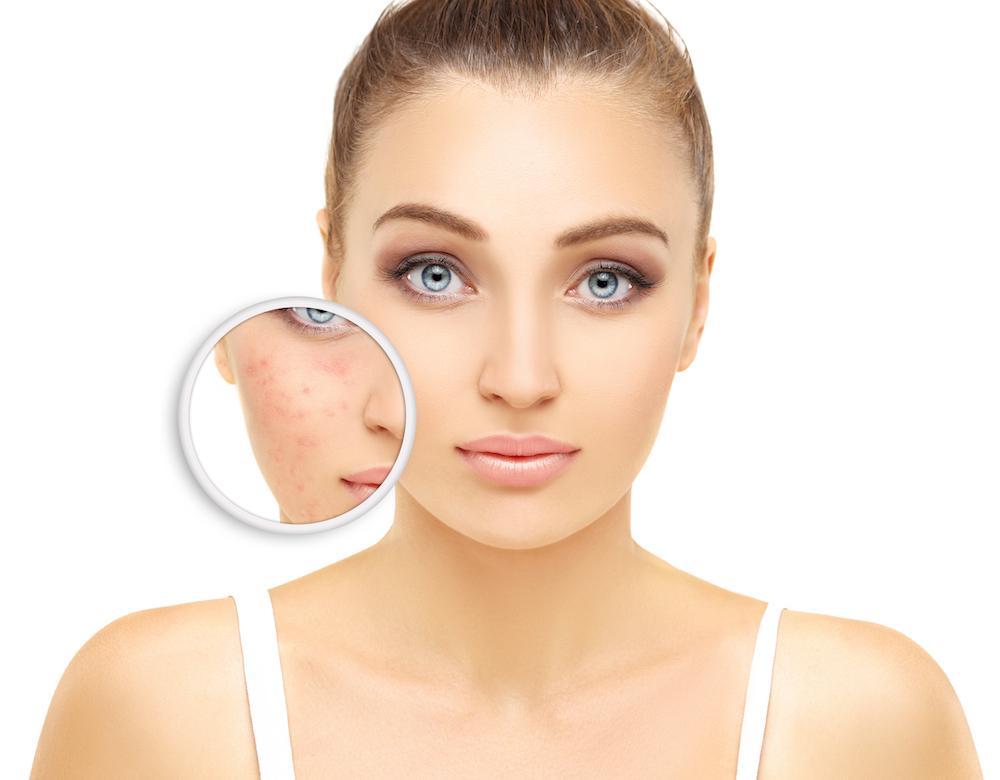
Rosacea is a chronic skin condition that causes redness and flushing on the face. While it is not serious, rosacea can significantly impact one's confidence and quality of life if left untreated. This article discusses various effective treatment options for rosacea.
Lifestyle Changes and Triggers
Lifestyle changes play a key role in rosacea management. Identifying and avoiding triggers that cause flushing is important. Common triggers include sun exposure, hot drinks, spicy foods, alcohol consumption. It is recommended to:
- Wear sunscreen daily and limit time in direct sun. UVA and UVB rays are known triggers.
- Manage stress through relaxation techniques like yoga, meditation etc. Stress and strong emotions are common triggers.
- Avoid hot beverages, spicy foods and alcohol which dilate blood vessels and cause flushing.
- Use gentle, fragrance-free cleanser and moisturizer. Harsh soaps can exacerbate rosacea symptoms.
Making these simple lifestyle adjustments can help control flushing and breakouts to a large extent.
Topical Medications
Topical antibiotics and anti-inflammatory creams are first-line treatments for Rosacea Treatment . Commonly prescribed options include:
- Metronidazole gel/cream 0.75% - Effective in reducing papules, pustules and erythema. Apply once daily.
- Ivermectin cream 1% - Newer topical that works by inhibiting inflammation. Shown to improve papulopustular rosacea.
- Azelaic acid gel/cream 15% - Has antibacterial and anti-inflammatory properties. Can reduce inflammatory lesions as well as effects of rosacea on the skin.
- Sodium sulfacetamide lotion 10% - Topical antibiotic lotion indicated for papulopustular rosacea. Works by fighting bacteria on skin surface.
- Soolantra (Ivermectin) cream 1% - Only FDA approved medication for treatment of inflammatory lesions of rosacea.
Topicals are easy to use, generally well-tolerated and effective first-line treatment options for mild-moderate rosacea. Consistency is key.
Oral Antibiotics
For patients who do not respond adequately to topical medications or have more severe rosacea, oral antibiotics are prescribed. Common options include:
- Doxycycline - Sub-antimicrobial dose doxycycline 40mg daily shown to significantly improve rosacea. Anti-inflammatory properties provide benefits.
- Tetracycline - Older oral antibiotic but still effective for reducing inflammation in rosacea. However, requires taking multiple times daily.
- Minocycline - Semisynthetic tetracycline that demonstrates potent anti-inflammatory effects. A good option for moderate-severe rosacea.
Oral antibiotics do have potential side effects like gastrointestinal upset, photosensitivity requiring sun protection. Risks versus benefits should be discussed with dermatologist.
Laser and Light Therapy
For patients with thickened skin due to rosacea, laser therapy provides notable improvement. Common laser options include:
- Vascular lasers like Intense Pulsed Light (IPL), Pulsed Dye Laser (PDL), KTP laser target enlarged blood vessels on the skin and reduce redness associated with rosacea.
- Fractional laser resurfacing - Uses columns of microscopic thermal zones to treat both redness and thickened skin/telangiectasia in rosacea patients. Promotes new collagen formation beneath treated areas.
- Broadband Light (BBL) therapy - Delivers specific wavelengths of light to target multiple chromophores like dilated blood vessels and melanin responsible for discolored skin.
Laser and light therapy work by destroying damaged blood vessels and promoting collagen remodeling. Multiple sessions spaced 4-6 weeks apart are usually needed to see gradual improvement.
Explore more information on this topic, Please visit-
https://www.newsstatix.com/rosacea-treatment-share-size-and-growth-share-trends-analysis-demand-forecast/