rHu Albumin: A Novel Therapeutic Agent with Diverse Medical Applications

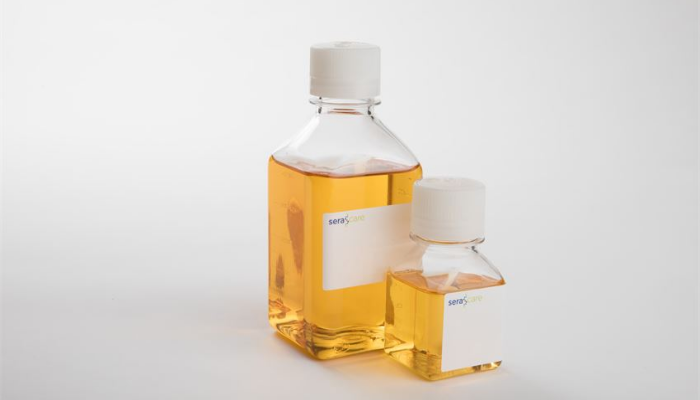
Recombinant human albumin (rHu Albumin) is an engineered form of the human serum albumin protein, which plays a critical role in various physiological processes. With advances in biotechnology, scientists have successfully produced rHu Albumin through genetic engineering techniques, offering a promising therapeutic agent with numerous medical applications. This article explores the properties, production, and medical uses of rHu Albumin, highlighting its significance in modern medicine and ongoing research areas.
Properties and Production of rHu Albumin:
Albumin is the most abundant protein in human blood plasma and performs several essential functions, including maintaining osmotic pressure, transporting substances, and binding to drugs and toxins. rHu Albumin is produced by recombinant DNA technology, where the gene encoding human albumin is inserted into a suitable expression system, such as bacteria or yeast cells. These host cells then produce and secrete the rHu Albumin, which is subsequently purified to obtain the final product.
Medical Applications of rHu Albumin:
-
Plasma Volume Expansion: One of the primary clinical uses of rHu Albumin is in plasma volume expansion, especially in cases of hypovolemia due to trauma, surgery, or fluid loss. Its ability to maintain colloid osmotic pressure and retain fluid within the vascular system makes it a valuable resuscitation agent.
-
Hypoalbuminemia: Patients with hypoalbuminemia, characterized by low levels of albumin in the blood, may benefit from rHu Albumin administration to restore albumin levels and improve overall health.
-
Oncology: rHu Albumin has shown promise in the field of oncology, particularly in combination with chemotherapeutic agents. It can enhance drug delivery and reduce side effects by acting as a drug carrier, improving therapeutic outcomes.
-
Liver Diseases: Patients with liver cirrhosis or acute liver failure may experience complications due to reduced albumin production. rHu Albumin can be used as a supportive therapy to address albumin deficiencies and improve patient outcomes.
-
Neurological Disorders: Preclinical studies have suggested potential neuroprotective effects of rHu Albumin in neurological disorders like stroke and traumatic brain injury. Ongoing research aims to explore its role in these conditions further.
-
Wound Healing: rHu Albumin has demonstrated wound-healing properties, promoting tissue repair and reducing inflammation in certain skin and ocular injuries.
Advantages of rHu Albumin over Human Serum Albumin:
rHu Albumin offers several advantages over the conventional use of human serum albumin (HSA). These include:
-
Scalability: rHu Albumin can be produced on a large scale through recombinant technology, ensuring a stable and reliable supply for medical use.
-
Consistency: Unlike HSA derived from blood donations, rHu Albumin exhibits consistent characteristics, reducing the risk of batch-to-batch variability.
-
Purity: The production of rHu Albumin allows for high purity levels, minimizing the risk of contamination or transmission of infectious agents.
-
Customization: Through genetic engineering, researchers can modify rHu Albumin to enhance specific properties or tailor it for different medical applications.
Clinical Considerations and Safety:
While rHu Albumin shows significant promise in various medical fields, certain clinical considerations and safety aspects must be carefully evaluated:
-
Dosage and Timing: Optimal dosage and timing of rHu Albumin administration should be determined on an individual basis, taking into account the patient's medical condition and response to treatment.
-
Allergic Reactions: As with any therapeutic agent, some patients may experience allergic reactions to rHu Albumin. Physicians must be vigilant in monitoring patients for signs of hypersensitivity.
-
Long-term Effects: The long-term effects of rHu Albumin administration require further investigation, especially in chronic conditions and prolonged usage scenarios.
Conclusion:
rHu Albumin represents an exciting advancement in modern medicine, offering a synthetic alternative to human serum albumin with numerous medical applications. From plasma volume expansion to oncology and neuroprotection, rHu Albumin shows versatility and potential in various clinical settings. As ongoing research continues to explore its therapeutic capabilities and safety, rHu Albumin holds promise in addressing critical medical needs and improving patient outcomes in diverse healthcare scenarios.