Revolutionizing Medicine: The Promise of Stem Cell Therap

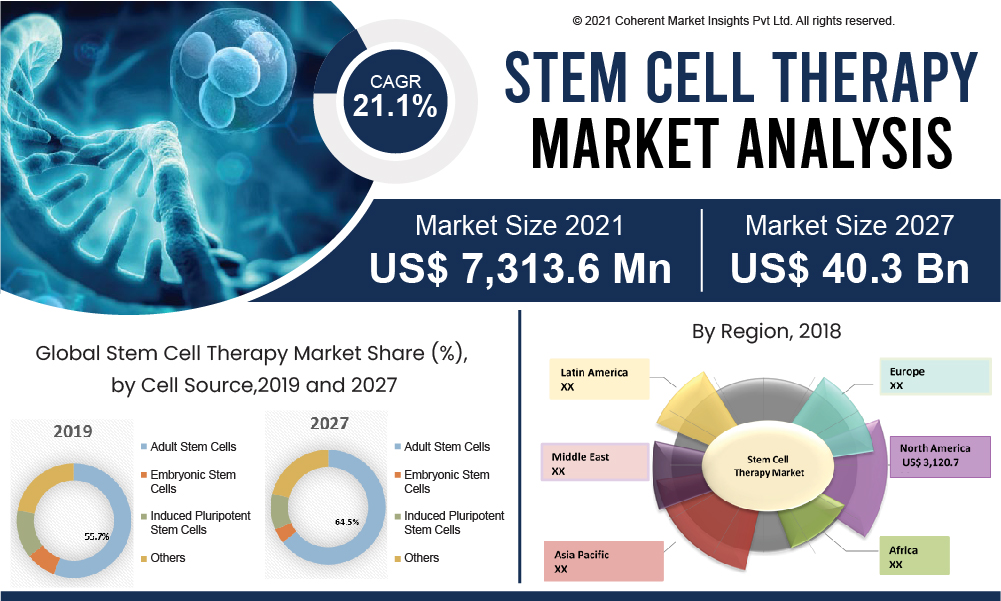
Stem cell therapy stands as a groundbreaking frontier in modern medicine, holding the potential to revolutionize the treatment of a wide range of debilitating diseases and injuries. Stem cells are undifferentiated cells with the unique ability to develop into various types of specialized cells, offering a remarkable avenue for regenerating damaged tissues, replacing dysfunctional cells, and restoring bodily functions. This burgeoning field has ignited immense excitement within the scientific and medical communities due to its potential to treat conditions that were once considered incurable.
One of the most remarkable aspects of stem cells is their ability to renew themselves through cell division, and to differentiate into specific cell types. This characteristic has led to the classification of two main types of stem cells: embryonic stem cells and adult stem cells. Embryonic stem cells are derived from embryos and can differentiate into any cell type in the human body. However, their use is ethically complex and subject to regulatory constraints. On the other hand, adult stem cells, also known as somatic or tissue-specific stem cells, exist in various tissues throughout the body and play a role in tissue repair and regeneration.
Stem cell therapy holds immense promise for a wide array of conditions. For example, in the realm of neurodegenerative diseases like Parkinson's and Alzheimer's, where damaged neural cells lead to irreversible deterioration, stem cell therapy offers a glimmer of hope. Researchers are exploring methods to coax stem cells into becoming specific types of nerve cells, aiming to replace the ones that have degenerated and potentially restoring lost cognitive functions.
Another area where stem cell therapy shines is in the treatment of heart diseases. Cardiovascular diseases remain a leading cause of death worldwide, often resulting from heart tissue damage due to heart attacks. Stem cell therapy aims to regenerate damaged cardiac tissue by injecting stem cells into the heart, where they can develop into healthy muscle cells, potentially restoring normal heart function and minimizing the risk of heart failure.
Stem cell therapy's application extends to the realm of orthopedics, offering new avenues for treating injuries and conditions that affect bones, cartilage, and joints. Conditions like osteoarthritis, which often lead to chronic pain and limited mobility, could be mitigated through stem cell treatments that promote tissue regeneration, reduce inflammation, and improve joint function.
While the promise of stem cell therapy is undeniably exciting, challenges and considerations persist. Ensuring the safety and effectiveness of these treatments requires meticulous research and rigorous clinical trials. There is also the need to navigate ethical questions surrounding the use of embryonic stem cells and to establish clear regulations to guide the development and application of stem cell therapies.
In conclusion, "Revolutionizing Medicine: The Promise of Stem Cell Therapy" encapsulates the profound impact that stem cell research and therapy could have on the field of medicine. From neurodegenerative diseases to heart conditions and orthopedic ailments, the potential applications of stem cell therapy are vast and far-reaching. As science advances and our understanding of stem cells deepens, it is possible that we are on the cusp of a medical revolution that could transform the way we approach previously untreatable or poorly managed diseases. However, this journey requires not only scientific breakthroughs but also ethical considerations, regulatory frameworks, and rigorous clinical testing to ensure that the promise of stem cell therapy is realized in a safe and responsible manner.