Revolutionizing Healthcare Additive Manufacturing

In recent years, the healthcare industry has witnessed a groundbreaking technological advancement - Additive Manufacturing (AM), also known as 3D printing. This innovative technology has the potential to revolutionize healthcare in numerous ways, from customized medical devices to intricate anatomical models for surgical planning.
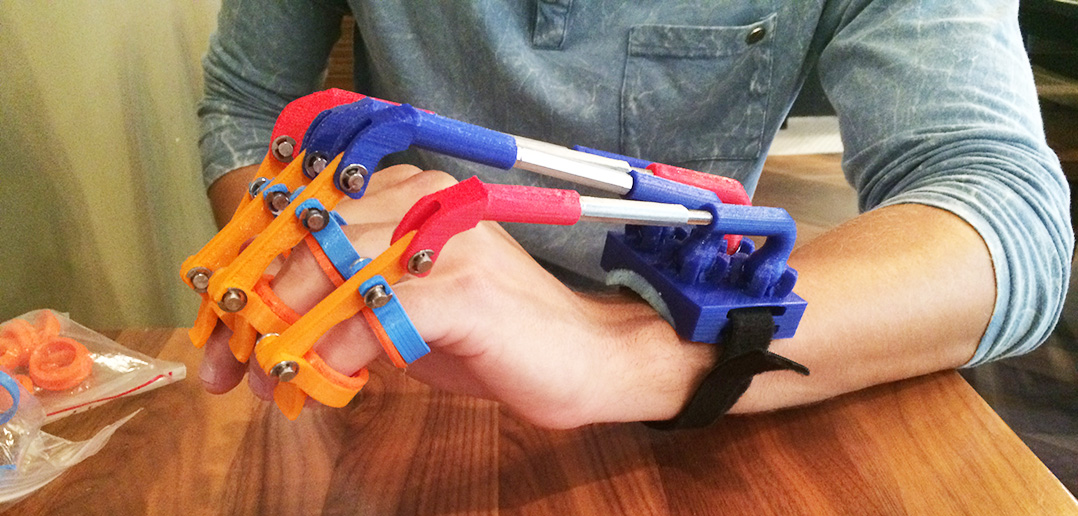
One of the primary advantages of healthcare additive manufacturing is the ability to create personalized medical solutions. Traditionally, medical devices were mass-produced, leading to limited customization options. With 3D printing, healthcare professionals can tailor implants and prosthetics to suit the unique needs of each patient. This ensures better patient outcomes, increased comfort, and reduced complications.
Moreover, additive manufacturing allows the creation of anatomical models from patient scans, enabling surgeons to practice complex procedures beforehand. This leads to more precise surgical interventions, shorter operating times, and improved patient safety. It also serves as a valuable educational tool for medical students and aspiring surgeons.
One of the key factors expected to augment growth of the global Healthcare Additive Manufacturing Market over the forecast period is the rise in burden of orthopedic and dental diseases worldwide. Regulatory approvals for additive manufactured medical products are streamlining market growth and enabling wider acceptance in the healthcare industry.
In addition to personalized solutions, 3D printing has also made a significant impact on the development of pharmaceuticals. The technology enables the fabrication of drug delivery systems with precise dosages, enhancing treatment effectiveness and reducing side effects. Furthermore, researchers can now print tissue and organ-like structures for drug testing, replacing animal models and accelerating the drug development process.
While additive manufacturing has unlocked a plethora of possibilities, there are still challenges to overcome. Ensuring the safety and regulatory compliance of 3D printed medical devices and pharmaceuticals is crucial. Standardization and certification processes must be established to maintain the highest quality standards and avoid potential risks.
Healthcare Additive Manufacturing is a game-changer that holds immense potential for transforming the medical landscape. From personalized medical devices to improved surgical planning and drug development, 3D printing promises better patient outcomes, enhanced treatments, and more efficient healthcare delivery.