The Remarkable Potential of Amniotic Membrane in Regenerative Medicine

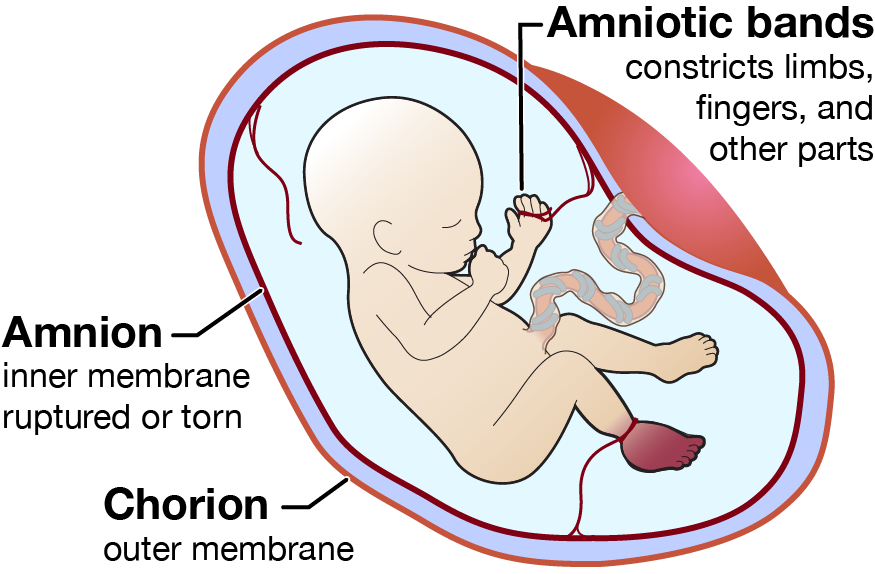
Amniotic membrane, a thin and delicate tissue that surrounds and protects the developing fetus during pregnancy, has garnered significant attention in the field of regenerative medicine. This unsung hero of the human body has been found to possess an array of therapeutic properties that hold immense promise for various medical applications. From wound healing to tissue repair, the amniotic membrane is emerging as a versatile tool that could revolutionize the way we approach healing and regeneration.
Unveiling the Properties
One of the key reasons behind the growing interest in amniotic membrane lies in its unique biological properties. Rich in cytokines, growth factors, and stem cells, this membrane exhibits anti-inflammatory, anti-microbial, and immunomodulatory effects. These properties make it an attractive candidate for treating a wide range of medical conditions. Additionally, the amniotic membrane is easily accessible, as it is usually discarded after childbirth, making it an ethical and sustainable source for regenerative therapies.
Wound Healing Wonders
Amniotic membrane has displayed remarkable capabilities in accelerating wound healing processes. When applied to chronic or hard-to-heal wounds, it can significantly promote tissue regeneration and reduce scarring. The membrane's bioactive components foster a microenvironment conducive to cell growth and migration, which expedites the healing process. This property is particularly beneficial for individuals with diabetic ulcers, burn injuries, and other complex wounds that often pose challenges to conventional treatment methods.
Ophthalmic Advancements
In ophthalmology, amniotic membrane transplantation has emerged as a groundbreaking technique. It has proven to be effective in treating various ocular surface disorders, such as corneal ulcers, conjunctival reconstruction, and even ocular surface reconstruction. The membrane's anti-inflammatory properties mitigate discomfort and promote healing in the delicate ocular environment, offering new hope for individuals suffering from vision-threatening conditions.
Orthopedic Applications
The amniotic membrane's regenerative potential extends to orthopedics, where it shows promise in treating musculoskeletal injuries and disorders. Research suggests that amniotic membrane-derived products can aid in cartilage repair, alleviate pain, and reduce inflammation in conditions like osteoarthritis. These applications have the potential to enhance the quality of life for patients grappling with orthopedic issues.
Chronic Pain Management
Chronic pain conditions, often stemming from inflammation or tissue damage, pose significant challenges in modern medicine. Amniotic membrane's anti-inflammatory and pain-reducing properties offer a ray of hope for those living with such conditions. Its application in pain management holds the potential to reduce reliance on traditional analgesic medications and provide a more holistic approach to treating chronic pain.
Navigating Challenges
While the amniotic membrane holds immense promise, its adoption in mainstream medical practice is not without challenges. Standardization of processing methods, preservation techniques, and dosage administration are areas that require rigorous research. Additionally, regulatory approvals and clinical validation are pivotal to ensure the safety and efficacy of amniotic membrane-based therapies.
Paving the Way Forward
As research and clinical trials continue to unveil the remarkable potential of amniotic membrane in regenerative medicine, the future looks promising. Collaborative efforts between researchers, clinicians, and regulatory bodies are essential to harness the full power of this biological marvel. With further advancements, amniotic membrane-based therapies could become integral components of medical protocols, offering hope and healing to patients across diverse medical disciplines.