Precision Medicine Unleashed: Vascular Embolization Paradigm Shift in Minimally Invasive Treatments

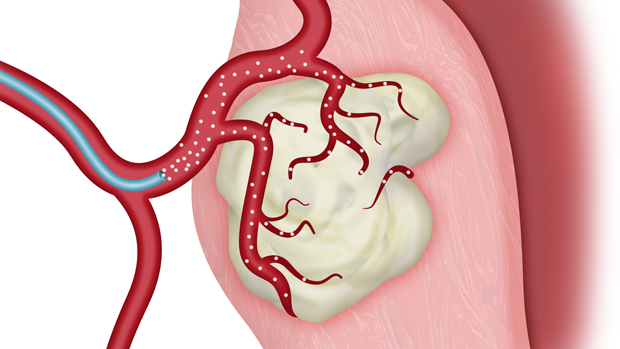
Vascular embolization is a minimally invasive procedure that cuts off blood supply to an abnormality within the body. By blocking the blood vessels that supply an abnormal structure, embolization allows treatment of certain conditions without the need for major surgery. Over the past few decades, embolization has emerged as an effective option for numerous medical issues.
What is Embolization?
In simple terms, embolization involves using small particles, coils, or liquid agents to block or reduce blood flow in a targeted blood vessel. It is performed through a small catheter that is threaded through an artery, usually in the groin, under imaging guidance such as fluoroscopy or CT scans. Once the catheter is positioned at the location of the abnormality, the embolic agent is injected through the catheter. These blocking materials cause occlusion of the vessel, effectively cutting off blood supply. Embolization can be used to treat both benign and cancerous conditions throughout the body.
Benign Conditions Treatable with Embolization
Uterine Fibroid Embolization
One of the most common non-cancerous uses of Vascular Embolization is for uterine fibroids. Fibroids are benign growths in the uterus that can cause heavy bleeding, pain, and fertility issues for many women. Uterine fibroid embolization, or UFE, blocks the blood vessels that feed the fibroids, causing them to shrink and symptoms to subside in most cases. UFE provides relief without the risks and recovery time of open surgery. Success rates of over 90% have been reported.
Kidney Ablation for Renal Cell Cancer
In some cases where only part of the kidney needs treatment for renal cell carcinoma, partial or selective vessel embolization may be performed instead of full nephrectomy. By blocking the blood supply just to the targeted part of the kidney containing cancerous tumors, the rest of the healthy kidney tissue can be preserved. This allows for cancer treatment while maintaining maximum kidney function.
Types of Embolic Agents Used
Particles
One of the most common types of embolic agents used are small plastic or gelatin sponge particles. These are injected into the blood vessel in a mixture with contrast dye to permit visualization under imaging. As the particles travel downstream and lodge in increasingly smaller vessels, they efficiently cut off blood flow. Particle sizes can be selected by the interventional radiologist depending on the size of vessels to be occluded.
Coils
For treatments targeting larger blood vessels, detachable platinum coils may be used either alone or along with particles. Coils are delivered through the catheter and released at the target site, where they form solid plugs within the vessel. Coils are very effective for blocking larger feeding arteries to tumors or other lesions.
Liquid Agents
Certain liquid embolic materials such as ethanol or cyanoacrylate glues are sometimes used for highly selective embolization of very small vessels. Through their ability to penetrate deep into a target area, liquid embolics can achieve wider zones of blood flow blockage. However, their use requires special skill and experience due to the risk of non-target embolization if the agent migrates.
Benefits of Embolization Over Surgery
There are several advantages of embolization procedures compared to open or laparoscopic surgery for many conditions:
- Minimally invasive with only a small catheter entry point, resulting in less post-procedure pain and faster recovery
- Does not require general anesthesia in many cases, lessening risks associated with full anesthesia
- Ability to perform treatments on an outpatient basis in many cases
- Higher success rates for preserving organ function compared to full resection
- Ability to retreat areas if needed by repeating the non-surgical procedure
- Lower risks of infection, scarring, adhesions and blood loss than open surgery
- Shorter hospital stays and faster return to normal activities
Potential Downsides of Embolization
Of course, like any medical procedure, risks do remain with embolization. Some potential downsides can include:
- Contrast medium or embolic agent may cause allergic reactions in rare cases
- There is a small chance of the catheter causing damage within blood vessels being navigated through
- Non-target embolization could theoretically occur if agents migrate beyond intended targets
- Embolization may not fully treat all tumor cells, so there is a small recurrence risk thereafter
- Certain rare complications like infection, hematoma or injury to adjacent structures are still possible
- Embolization is not an option in cases with complex collateral blood vessel anatomy
Get More Insights on this Topic- https://www.marketwebjournal.com/vascular-embolization-a-minimally-invasive-procedure-for-treating-various-medical-conditions/
Explore More Trending Articles- https://masstamilan.tv/antimicrobial-susceptibility-testing-a-key-weapon-in-the-fight-against-antimicrobial-resistance/