Precision Medicine in Oncology: Targeted Cancer Therapies for Personalized Treatment

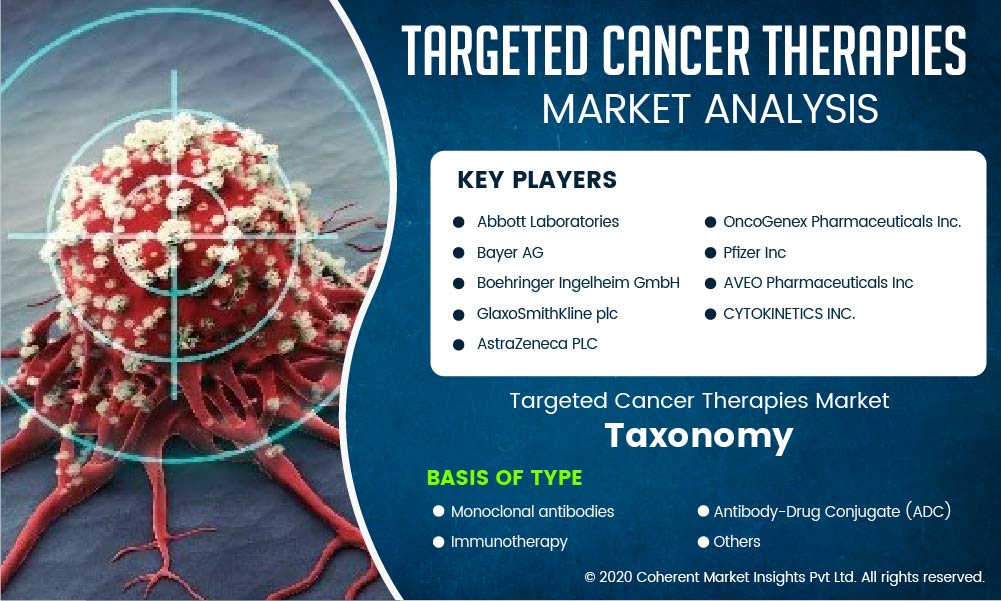
Precision medicine, a revolutionary approach to healthcare, has transformed the landscape of oncology. This cutting-edge approach aims to tailor medical treatment to the individual characteristics of each patient, enabling more effective and personalized cancer therapies. Targeted cancer therapies, a significant component of precision medicine, have emerged as a promising alternative to traditional treatments, such as chemotherapy and radiation, offering hope for better outcomes and reduced side effects.
Traditionally, cancer treatments have followed a one-size-fits-all approach, where patients with the same type and stage of cancer received similar treatments. However, this approach does not take into account the inherent genetic and molecular differences that exist among individuals and their tumors. In contrast, targeted cancer therapies focus on the specific genetic alterations, signaling pathways, and molecular abnormalities that drive cancer growth in a particular patient. By identifying these unique characteristics, oncologists can prescribe therapies that precisely target and attack cancer cells, while sparing healthy cells, resulting in more effective treatments with fewer adverse effects.
One of the key pillars of targeted therapies is the identification of biomarkers, such as genetic mutations or abnormal proteins, that are associated with a particular type of cancer. Advancements in genomic technologies have enabled the rapid and cost-effective sequencing of a patient's tumor DNA, allowing clinicians to identify these biomarkers with greater accuracy. For example, the epidermal growth factor receptor (EGFR) mutation is a well-known biomarker in lung cancer, and drugs specifically designed to target this mutation have shown remarkable success in improving patient outcomes.
Immunotherapy, a form of targeted therapy that harnesses the body's immune system to fight cancer, has gained significant attention in recent years. Immune checkpoint inhibitors, a type of immunotherapy, block certain proteins on immune cells that prevent them from attacking cancer cells. By inhibiting these proteins, such as PD-1 or CTLA-4, these drugs unleash the immune system's ability to recognize and destroy cancer cells. Immunotherapies have shown remarkable results in various cancer types, including melanoma, lung cancer, and bladder cancer, providing durable responses and improved survival rates in certain patient populations.
Another targeted therapy approach involves the use of small molecule inhibitors and monoclonal antibodies that directly interfere with specific cellular pathways critical for cancer growth and survival. For instance, HER2-targeted therapies, such as trastuzumab, have transformed the management of HER2-positive breast cancer, significantly improving prognosis and quality of life for affected individuals.
In addition to improving treatment efficacy, targeted cancer therapies also offer the potential for reduced side effects compared to traditional treatments. Chemotherapy, for instance, affects both cancer cells and healthy cells, leading to various adverse effects like hair loss, nausea, and fatigue. Targeted therapies, by their very nature, are designed to be more selective, reducing collateral damage to healthy tissues and minimizing the severity of side effects.
Despite the remarkable successes of targeted cancer therapies, challenges still remain. Resistance to targeted treatments can develop over time, necessitating a deeper understanding of the underlying mechanisms to overcome this obstacle. Moreover, the cost of these therapies and access to advanced genomic testing may limit their availability for some patients.
In conclusion, precision medicine in oncology has revolutionized cancer treatment by ushering in targeted therapies that are tailored to the individual characteristics of each patient's tumor. Through the identification of biomarkers and the development of specific treatments, precision medicine offers new hope for improved outcomes and reduced side effects. As research and technology continue to advance, the future of targeted cancer therapies holds the promise of even more effective and personalized treatment options for cancer patients worldwide.