Porcine Vaccines Resurgence: Strengthening Global Agriculture

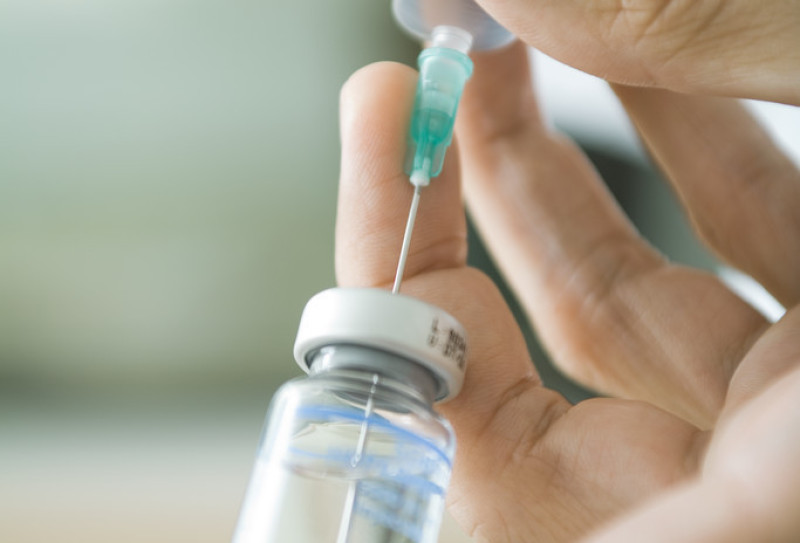
Introduction to Porcine Vaccines
Vaccines play an important role in commercial pig farming operations by helping to protect the health of pig herds and maximize farm productivity. Pigs are susceptible to a variety of viral and bacterial diseases that can cause illness and even death if left unaddressed. Routine vaccination programs administered by pig farmers help prevent outbreaks of these diseases and the financial losses associated with treatment costs and decreased performance. This article will review some of the major disease threats to pigs and the vaccines currently available to provide protection.
Common Circovirus Vaccines
Porcine circovirus type 2 (PCV2) is a major pathogen affecting pig farms worldwide. PCV2 is known to increase susceptibility to other pathogens and cause significant reductions in average daily weight gain. Vaccines containing inactivated PCV2 have been developed to stimulate protective immunity against the virus. These circovirus vaccines are generally administered to sows to pass protection to piglets through colostrum as well as baby pigs to provide early protection. Vaccination has been shown to reduce clinical signs and viral load associated with PCV2, improving farm profitability. Inactivated and subunit PCV2 vaccines require two initial doses followed by annual or biannual booster doses.
Swine Influenza Vaccination
Swine influenza viruses like H1N1 and H3N2 can spread rapidly in pig populations, resulting in respiratory disease. Outbreaks pose risks for decreased growth performance and increased treatment costs on farms. Inactivated and live attenuated swine influenza virus (SIV) vaccines are available to farmers. SIV vaccines typically employ recent field strains to match circulating virus variants. Initial doses are given to sows with boosters for piglets when maternally derived antibodies have waned. Proper administration of SIV vaccines has been shown to reduce occurrence of fever and coughing and improve average daily gain compared to unvaccinated herds.
Porcine Epidemic Diarrhea Vaccines
Porcine epidemic diarrhea virus (PEDV) emerged in the US swine industry in 2013, causing severe diarrhea, vomiting and dehydration. Mortality rates in naïve piglets can reach 100%. Modified live and inactivated injectable PEDV vaccines are now licensed to control this economically important enteric disease. Most PEDV vaccines employ cell-culture adapted strains and require an initial series of two doses followed by annual boosters. Vaccination has been shown to reduce clinical signs and virus shedding associated with PEDV, protecting young pigs that are most vulnerable. These vaccines serve as an important tool for farms situated in high-risk regions.
Topic Vaccines for Other Swine Pathogens
In addition to the viruses above, vaccines also exist for other major bacterial and viral swine pathogens: Erysipelas vaccines contain bacterins of Erysipelothrix rhusiopathiae to control erysipelas, a cutaneous infection. Mycoplasma hyopneumoniae bacterins are used to stimulate immunity and lessen symptoms of enzootic pneumonia. Several modified live and inactivated vaccines exist for porcine parvovirus (PPV), which causes reproductive failure and digestive issues in sows and piglets. Rotavirus and coronavirus vaccines prevent scours in baby pigs.topic Leptospirosis vaccines protect pigs from infection with Leptospira bacteria that can cause reproductive problems and kidney damage. Proper administration of these ancillary vaccines aids in disease prevention on pig farms.
Conclusion
The availability of effective porcine vaccines has allowed the commercial pig industry to make great strides in controlling endemic swine pathogens. Circovirus, influenza, PEDV and other disease-specific vaccines provide the backbone of prevention programs on most pig farms today. Following manufacturers' guidelines for initial doses and boosters helps to establish solid protective immunity within herds. Continued vaccine advances aim to further streamline administration while broadening coverage against emerging threats. With ample options now available, vaccination remains a cornerstone strategy for protecting pig health and productivity on swine operations worldwide.