Pigmentation Disorders Treatment: Understanding Causes and Available Options

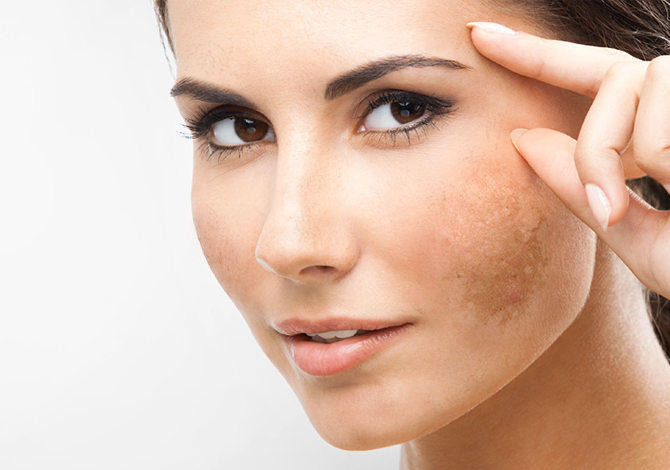
Pigmentation disorders refer to any skin conditions that cause changes in skin color or skin darkening. Some common pigmentation disorders include melasma, freckles, age spots, vitiligo,etc. While some pigmentation issues may be merely cosmetic, others can impact self-esteem or quality of life. Thankfully, many effective pigmentation disorders treatment options are now available.
Causes of Pigmentation Disorders
Genes: Genetic factors often play a role in various pigmentation issues. For example, vitiligo and albinism directly result from genetic mutations affecting melanin synthesis. Family history of vitiligo or melasma increases the risk.
Hormones: Hormonal fluctuations, especially during pregnancy, are a leading cause of melasma. Estrogen and progesterone stimulate melanin production, causing facial darkening in susceptible individuals. Women are 10 times more likely to develop melasma than men.
Sun Exposure: UV radiation from sunlight causes melanin production in skin. Long-term sun exposure leads to freckles, age spots and uneven pigmentation. Repeated sun exposure aggravates existing pigmentation disorders like melasma.
Medications: Certain oral contraceptives, anti-seizure medications, antibiotics and anti-malarial drugs are commonly associated with drug-induced pigmentation issues like melasma.
Other Causes: Factors like stress and thyroid disorders may exacerbate pigmentation problems in predisposed people by increasing melanin levels. Skin injuries like burns or wounds may leave behind dark scars.
Current Treatment Approaches for Pigmentation Disorders
Hydroquinone: This remains the most widely used topical agent for Pigmentation Disorders Treatment. As a skin-lightening active ingredient, hydroquinone interferes with melanin production. However, long-term safety is unclear and it may cause skin irritation at higher doses.
Retinoids: Topical retinoic acid and its derivatives help promote faster skin cell turnover and prevent excess melanin deposition. Retinoids help lighten pigmentation but require daily application for several months. They may irritate sensitive skin.
Lasers and Intense Pulsed Light Therapy: Various laser and light-based treatments target melanin in the skin. They work best for pigmented lesions rather than diffuse hyperpigmentation. Multiple sessions with dot-filler lasers or intense pulsed light are needed. Risks include post-inflammatory hyperpigmentation.
Chemical Peels: Gentle to medium-depth chemical peels using alpha hydroxy acids (AHAs), beta hydroxy acids (BHAs) or trichloroacetic acid (TCA) help exfoliate melanin-laden cells. Regular weekly peels can lighten pigmentation gradually over months with minimal downtime. However, deep peels may carry higher risks of side effects.
Microdermabrasion: This non-invasive mechanical procedure uses an abrasive material and vacuum suction to remove the top layers of facial skin and promote new cell turnover. A series of 6-8 weekly treatments may provide some improvement in pigmentation but usually not as effective as lasers, peels or prescription topicals. It also works best for pigmented lesions than diffuse areas.
Alternative Treatments: Natural skin-lightening agents like kojic acid from mushrooms and licorice extract, vitamin C serum, mulberry, bearberry, soy, and azelaic acid have shown variable efficacy against hyperpigmentation but require prolonged use. Combination ingredients work better than single agents. Home remedies like lemon juice, tomatoes, potatoes and cucumber may provide minor temporary lightening.
Managing Pigmentation Disorders
It is crucial to protect pigmented skin from further sun exposure using broad-spectrum sunscreens even on cloudy days. Avoid tanning beds. Limit use of perfumes or products that can further irritate skin. Manage other health conditions linked to pigmentation like thyroid issues, stress, etc. Seek medical help for sudden changes, moles or skin lesions for timely diagnosis and treatment. Combining lighter treatments like chemical peels, at-home products or natural remedies with prescription retinoids or hydroquinone under dermatologist care gives best results for long-term pigmentation management. Early and consistent treatment gives higher chances of significantly improving pigmentation disorders.
Get More insights on this Topic- https://www.marketwebjournal.com/pigmentation-disorders-treatment-latest-advancements/