Pharmaceutical Excipients: Essential Additives for Drug Formulations

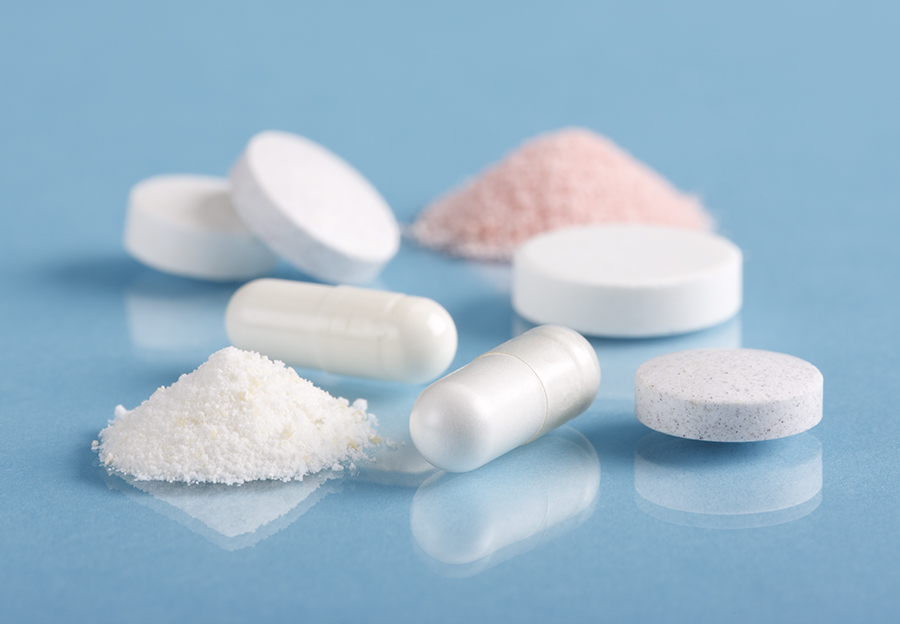
Pharmaceutical excipients play a vital yet often overlooked role in drug development and medication. While active pharmaceutical ingredients (APIs) get top billing for their therapeutic effects, excipients are equally important carriers and delivery agents that determine how well and safely a drug functions.
What are excipients?
Excipients, otherwise known as inactive ingredients, refer to any substance other than the active pharmaceutical ingredient(s) that have been appropriately evaluated for safety and are included in a drug delivery system. Excipients can be of various origins like minerals, plant or animal extracts, chemically-defined materials or synthetic polymers. They serve vital non-therapeutic roles in drug delivery like improving product stability, potency, ease of manufacturing and bioavailability. On average, excipients comprise over 99% of the total weight or volume of pharmaceutical drug products.
Types of Excipients
Pharmaceutical Excipients can be broadly classified based on their functions into carriers, binders, diluents, coatings, disintegrants, lubricants, preservatives, solubilizers, surfactants and others. Here is a deeper look at some key excipient categories:
Carriers: Excipients that act as vehicles for drug delivery include gums, sugars, starches, celluloses etc. They facilitate even mixing, flow properties and tablet compression. Examples include lactose, starch, microcrystalline cellulose.
Binders: Bind bonding agents like povidone, starch and gelatin that impart coherence and hold components together in solid dosage forms.
Diluents: Inert powders added as fillers to optimize properties of mixtures like viscosity, density or disintegration include calcium phosphate, calcium carbonate etc.
Coatings: Agents applied to tablets and capsules to control release, enhance palatability or protection include hypromellose, polyvinyl alcohol etc.
Disintegrants: Added to promote breakup of tablet and capsule contents once ingested like crospovidone, sodium starch glycolate etc.
Lubricants: Reduce friction and ease manufacturing processes. Common ones are magnesium stearate, stearic acid, talc etc.
Preservatives: Prevent microbial contamination and degradation during manufacturing and storage of liquid dosage forms. Examples are benzalkonium chloride, parabens.
Solubilizers/Surfactants: Enhance dissolution and absorption properties of drugs. Polysorbates, cremophor, pegylation etc. play these roles.
Regulation of Excipients
Given excipients are integral drug components, regulatory agencies like the US Food and Drug Administration (FDA) and European Medicines Agency (EMA) provide guidance for their evaluation and approval. Extensive pharmaco-toxicological studies are required for new excipients to ensure safety. All excipients employed must comply with current Good Manufacturing Practices and be listed in pharmacopeias for identification, purity and quality standards. Any changes to approved excipients in established formulations also need evaluation and clearance. This strict oversight aims to guarantee excipients do not compromise drug quality, efficacy or safety.
Excipients in Popular Drug Delivery Systems
Let us explore some common drug delivery systems and excipients optimized for each:
Tablets: Fillers like lactose and diluents like microcrystalline cellulose facilitate granulation along with binders like povidone or starch. Lubricants like magnesium stearate are often last added to enhance tablet ejection from molds. Disintegrants like sodium starch glycolate promote breakdown once swallowed.
Capsules: For powders filled in hard gelatin or softgel capsules, diluents like calcium phosphate and carriers like modified starches ensure content uniformity, flow properties and storage stability.
Oral Liquids: Syrups and suspensions typically employ carbohydrate carriers like sucrose, flavors and preservatives to prevent microbial growth during expected shelf life. Solubilizers and surfactants enhance solubility and absorption of lipophilic active moieties.
Parenterals: Injections rely on isotonicity agents like glycerol and buffers to provide safe pH conditions for drug stability in intravenous fluids. Solubilizers and emulsifying agents enable incorporation of poorly water-soluble drugs. Anti-microbial preservatives prevent contamination in multi-dose vials.
Topicals: Emollients, gelling agents, humectants and emulsifiers facilitate penetration and delivery of drugs through the skin and enhance stability, spreadability and aesthetics of various semisolid dosage forms.
Thus in summary, a deep understanding of excipient functionalities and testing is crucial to rationally designing robust drug products backed by science and regulatory compliance. Evolving patient needs also drive continued excipient innovation.
While pharmaceutical research strives to develop new molecular entities, the unsung heroes have always been excipients which act as true enablers and force multipliers for API delivery. From early experimental formulations to robust commercial-scale production, excipients remain indispensable drug product development partners. With optimized selections validated through multidisciplinary pharmaceutical sciences, they unlock possibilities for improved patient outcomes. The future promises continued expansion of excipient toolboxes to address therapy challenges across diverse administration routes.
Get more insights on this topic: Pharmaceutical Excipients