mTOR Inhibitors: A Promising Therapeutic Avenue for Cancer and Beyond

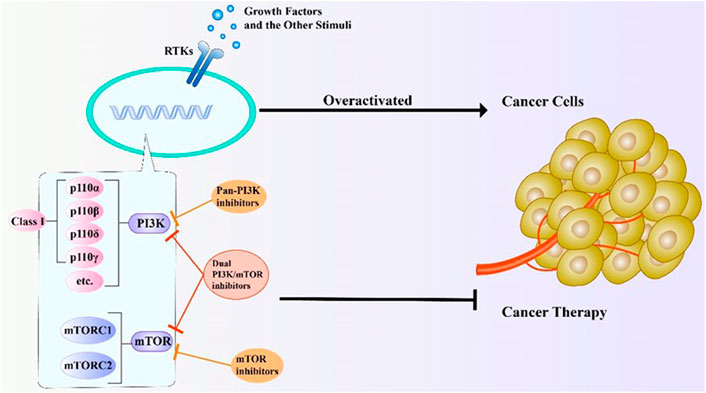
mTOR (mammalian target of rapamycin) is a pivotal protein kinase that regulates essential cellular processes, including cell growth, proliferation, metabolism, and survival. Dysregulation of the mTOR pathway is implicated in various diseases, making it an attractive target for therapeutic interventions. In recent years, mTOR inhibitors have garnered significant attention in the field of medicine due to their potential as effective treatments for cancer and other conditions. This article explores the significance of mTOR inhibitors, their mechanisms of action, current clinical applications, ongoing research, and potential future directions.
Understanding mTOR and its Signaling Pathway:
mTOR is a serine/threonine kinase that exists in two complexes: mTORC1 and mTORC2. mTORC1 primarily regulates cell growth, protein synthesis, and autophagy, while mTORC2 controls cell survival, cytoskeletal organization, and cell migration. The mTOR pathway is activated by various stimuli, such as growth factors, nutrients, and cellular stressors, and it integrates these signals to modulate cell behavior. Dysregulation of the mTOR pathway is frequently observed in cancer and other diseases, making it an attractive target for therapeutic intervention.
Mechanisms of Action of mTOR Inhibitors:
mTOR inhibitors are a class of drugs that directly or indirectly inhibit the activity of mTOR and its downstream effectors. The prototypical mTOR inhibitor, rapamycin (sirolimus), functions by binding to FK506-binding protein 12 (FKBP12) and forming a complex that inhibits mTORC1 activity. This inhibition suppresses the phosphorylation of the ribosomal protein S6 kinase (S6K) and 4E-binding protein 1 (4EBP1), ultimately leading to a blockade of protein synthesis and cell growth. Other mTOR inhibitors, such as temsirolimus and everolimus, have been developed to target both mTORC1 and mTORC2 or to improve the pharmacokinetic properties of rapamycin.
mTOR Inhibitors in Cancer Treatment:
The dysregulated mTOR pathway is a hallmark of many cancers, promoting uncontrolled cell growth and proliferation. Consequently, mTOR inhibitors have been extensively studied as potential anticancer agents. Clinical trials have shown promising results in various cancer types, including renal cell carcinoma, breast cancer, neuroendocrine tumors, and mantle cell lymphoma. mTOR inhibitors have demonstrated efficacy both as monotherapy and in combination with other anticancer agents, leading to improved patient outcomes and survival rates. However, resistance mechanisms and adverse effects remain significant challenges to be addressed in further research.
mTOR Inhibitors in Immunosuppression:
Rapamycin and its analogs have been widely used as immunosuppressive agents in solid organ transplantation to prevent organ rejection. These mTOR inhibitors exert immunosuppressive effects by inhibiting T-cell activation and proliferation. Unlike conventional immunosuppressants, mTOR inhibitors do not cause nephrotoxicity, making them an attractive alternative in certain patient populations. Ongoing research aims to optimize immunosuppressive regimens and minimize side effects to enhance transplant outcomes further.
mTOR Inhibitors in Neurological Disorders:
The mTOR pathway has been implicated in various neurological conditions, including epilepsy, autism spectrum disorders, and neurodegenerative diseases. Studies have suggested that mTOR inhibitors may have a neuroprotective effect and could potentially ameliorate disease progression in these disorders. However, the use of mTOR inhibitors in neurology is still in its early stages, and more research is needed to understand their potential benefits and risks fully.
Combination Therapies and Biomarker Development:
To overcome resistance and improve therapeutic efficacy, researchers are exploring combination therapies that include mTOR inhibitors. Combining mTOR inhibitors with other targeted therapies or conventional chemotherapeutic agents holds promise in overcoming resistance and achieving synergistic effects. Additionally, the identification of predictive biomarkers that indicate a patient's likelihood of responding to mTOR inhibitors is crucial for personalized treatment strategies.
Future Directions and Challenges:
While mTOR inhibitors have shown significant potential in various diseases, there are challenges that need to be addressed to optimize their clinical utility. These challenges include developing better understanding of resistance mechanisms, minimizing adverse effects, identifying patient populations most likely to benefit, and optimizing drug dosing and scheduling.
Conclusion:
mTOR inhibitors have emerged as promising therapeutic agents in the treatment of cancer and other diseases, offering new hope for patients with otherwise challenging conditions. As research and clinical trials continue to explore the full potential of mTOR inhibitors, the field holds the promise of revolutionizing medicine by providing targeted and personalized therapies that improve patient outcomes and quality of life. However, it will be essential to address the challenges and remain vigilant in monitoring long-term safety to fully realize the potential of mTOR inhibitors in diverse clinical settings.