Medical Aesthetic Devices: Advancing the Landscape of Non-Invasive Cosmetic Procedures

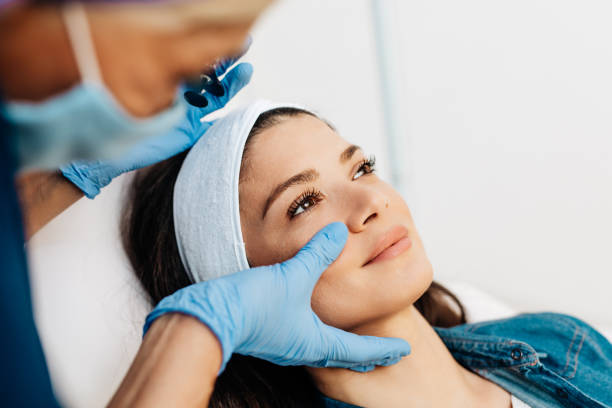
The field of medical aesthetics has undergone significant transformations over the years, thanks to technological advancements in medical aesthetic devices. These cutting-edge technologies offer non-invasive or minimally invasive solutions for various cosmetic concerns, allowing individuals to enhance their appearance and boost their self-confidence without resorting to surgical interventions. In this comprehensive article, we explore the diverse range of medical aesthetic devices, their applications, and the impact they have on the industry and patients seeking aesthetic enhancements.
What are Medical Aesthetic Devices?
Medical aesthetic devices encompass a wide array of advanced technologies designed to address cosmetic concerns and promote skin rejuvenation. These devices are used by qualified healthcare professionals in clinical settings and medical spas to provide non-surgical treatments for conditions such as wrinkles, fine lines, pigmentation, acne, and skin laxity. The devices leverage various modalities, including laser, radiofrequency, ultrasound, intense pulsed light (IPL), and cryotherapy, among others.
Types of Medical Aesthetic Devices
-
Laser Devices: Laser technology is versatile and effective in treating numerous aesthetic concerns. Laser devices emit focused beams of light, targeting specific skin structures to stimulate collagen production, remove unwanted hair, and improve skin texture and tone.
-
Radiofrequency Devices: Radiofrequency (RF) devices use controlled radiofrequency energy to heat the deeper layers of the skin, promoting collagen production and tightening loose or sagging skin.
-
Ultrasound Devices: Ultrasound technology is employed to perform non-surgical skin lifting and tightening by delivering focused ultrasound energy to specific depths of the skin.
-
Intense Pulsed Light (IPL) Devices: IPL devices use broad-spectrum light to treat a variety of skin concerns, including pigmentation irregularities, spider veins, and acne.
-
Cryotherapy Devices: Cryotherapy involves the use of extremely cold temperatures to freeze and eliminate unwanted skin lesions, such as warts and skin tags.
Applications in Cosmetic Procedures
Medical aesthetic devices have revolutionized the cosmetic industry by providing effective, safe, and non-invasive alternatives to traditional surgical procedures. Some of the popular applications of these devices include:
-
Skin Rejuvenation: Aesthetic devices can improve skin texture, tone, and appearance by stimulating collagen production and promoting cell turnover.
-
Wrinkle Reduction: Laser, radiofrequency, and ultrasound devices can diminish the appearance of fine lines and wrinkles, helping patients achieve a more youthful look.
-
Hair Removal: Laser devices are widely used for long-term hair reduction, offering a precise and efficient solution to unwanted hair growth.
-
Body Contouring: Radiofrequency and cryotherapy devices can target and reduce stubborn fat deposits, contouring the body without surgery.
-
Acne Treatment: IPL and laser devices can target acne-causing bacteria and reduce inflammation, providing relief for individuals with acne-prone skin.
-
Skin Tightening: Radiofrequency and ultrasound devices can tighten loose or sagging skin, especially on the face, neck, and body.
Safety and Efficacy
Medical aesthetic devices are regulated by health authorities to ensure their safety and efficacy. Healthcare professionals who use these devices undergo specialized training to operate them effectively and safely. As non-invasive treatments, medical aesthetic procedures generally carry fewer risks and require minimal downtime compared to surgical interventions. However, potential side effects, such as temporary redness or swelling, may still occur and are usually mild and short-lived.
Patient Considerations
Prior to undergoing medical aesthetic treatments, patients should have a thorough consultation with a qualified healthcare provider. During the consultation, the provider assesses the patient's skin condition, medical history, and aesthetic goals to determine the most appropriate treatment plan. Patients are informed about the expected outcomes, potential risks, and aftercare instructions to ensure a successful and satisfactory experience.
Industry Growth and Future Trends
The medical aesthetic industry continues to grow rapidly, driven by advancements in technology, increasing demand for non-invasive procedures, and a growing focus on self-care and wellness. As research and development continue to push the boundaries of medical aesthetic devices, we can anticipate even more advanced and specialized treatments for various cosmetic concerns.
Conclusion
Medical aesthetic devices have emerged as revolutionary tools in the field of cosmetic procedures, offering patients non-invasive solutions to enhance their appearance and confidence. From skin rejuvenation to body contouring, these devices have diversified the range of options available to patients seeking aesthetic enhancements. As technology advances and safety protocols remain a priority, the future of medical aesthetic devices promises to be even more exciting, with the potential to redefine beauty standards and empower individuals to feel comfortable and confident in their skin.