Malaria Diagnostics: Advancements, Challenges, and the Quest for Accurate Detection

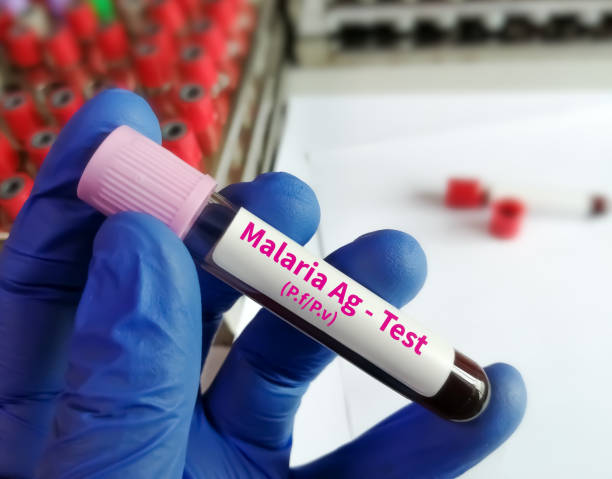
Malaria, a life-threatening mosquito-borne disease caused by Plasmodium parasites, continues to pose a significant global health challenge. Early and accurate diagnosis of malaria is crucial for timely treatment and preventing complications. Malaria diagnostics have evolved significantly over the years, with various techniques and technologies developed to detect the presence of the parasite. This article delves into the advancements in malaria diagnostics, challenges faced in endemic regions, and the ongoing efforts to improve detection methods for more effective malaria control and eradication.
Traditional Malaria Diagnostics:
-
Microscopic Examination of Blood Smears: For decades, the gold standard for malaria diagnosis has been the microscopic examination of blood smears. Skilled microscopists examine stained blood samples for the presence of Plasmodium parasites, identifying the species and estimating parasite density. Despite its accuracy, this method relies heavily on the expertise of the microscopist, making it challenging to implement in resource-limited settings.
-
Rapid Diagnostic Tests (RDTs): Rapid diagnostic tests, or RDTs, are lateral flow immunoassays that detect specific malaria antigens in a drop of blood. RDTs are easy to use, provide results within minutes, and do not require sophisticated equipment. They have been instrumental in improving access to malaria diagnosis in remote and resource-constrained areas.
Advancements in Malaria Diagnostics:
-
Molecular Techniques: Polymerase chain reaction (PCR) and loop-mediated isothermal amplification (LAMP) are molecular techniques that detect Plasmodium DNA in patient samples. These methods offer high sensitivity and specificity, capable of detecting low parasite levels and identifying species accurately. PCR-based methods are particularly valuable for epidemiological studies and surveillance.
-
Next-Generation Sequencing (NGS): NGS technologies enable comprehensive genomic analysis of Plasmodium parasites, allowing for detailed characterization and monitoring of drug resistance, genetic diversity, and transmission dynamics.
-
Digital Microscopy and Image Analysis: Automated digital microscopy platforms with image analysis software aid in the rapid and accurate identification of malaria parasites, reducing the dependence on manual microscopy and improving diagnostic accuracy.
-
Serological Tests: Serological tests detect antibodies against malaria antigens in patient blood samples. These tests can help assess past exposure to malaria and identify areas of high transmission, informing control measures.
Challenges in Malaria Diagnostics:
-
Sensitivity and Specificity: Achieving high sensitivity and specificity in malaria diagnostics is essential for accurate detection and appropriate treatment. Some diagnostic methods may struggle to detect low-level parasitemia, leading to false negatives and delayed treatment.
-
Variability of Parasite Species: Different Plasmodium species cause malaria in humans, and accurate identification is crucial for appropriate treatment. Some diagnostic tests may have limited sensitivity in detecting less common species.
-
Access to Diagnostics in Remote Areas: In regions with limited healthcare infrastructure and resources, access to accurate and timely malaria diagnostics remains a challenge.
-
Overreliance on Clinical Diagnosis: In resource-constrained settings, healthcare providers often rely on clinical symptoms to diagnose malaria, leading to overdiagnosis and overtreatment, contributing to drug resistance.
-
Surveillance and Detection of Asymptomatic Cases: Identifying asymptomatic carriers is crucial for malaria control efforts. However, detecting and treating asymptomatic infections can be challenging due to their low parasitemia levels and absence of symptoms.
The Quest for Accurate and Affordable Diagnostics:
Efforts to improve malaria diagnostics focus on addressing the challenges mentioned above and developing novel technologies that are accurate, affordable, and accessible. Some initiatives include:
-
Point-of-Care Molecular Diagnostics: Researchers are working on point-of-care molecular diagnostic devices that can detect Plasmodium DNA with high sensitivity and provide rapid results at the point of care, reducing the reliance on skilled microscopists and expensive laboratory infrastructure.
-
Smartphone-Based Diagnostics: Smartphone-based applications and attachments that enable digital microscopy and image analysis show promise in enhancing diagnostic accuracy and decentralizing testing.
-
Multiplexed Assays: Developing multiplexed assays that can detect multiple malaria species, drug resistance markers, and other infections simultaneously can improve efficiency and diagnostic accuracy.
-
Public-Private Partnerships: Collaborations between governments, non-governmental organizations, academia, and the private sector are critical to advancing malaria diagnostics, making them accessible to those in need.
Conclusion:
Malaria diagnostics play a pivotal role in effective malaria control and eradication efforts. Advancements in diagnostic technologies have improved access to accurate diagnosis, especially in resource-limited settings. However, challenges such as sensitivity, specificity, and access to diagnostics in remote areas persist. The quest for accurate and affordable malaria diagnostics continues through innovative research, development, and global collaborations. With ongoing efforts and the collective commitment of the global health community, accurate malaria diagnostics will remain an indispensable tool in the fight against malaria, saving lives and contributing to the goal of malaria elimination.