Living with Vision Impairment: Navigating a World of Challenges and Resilience

Introduction
Our sense of sight is a precious gift that allows us to perceive the beauty and wonders of the world around us. However, for millions of people worldwide, vision impairment is a daily reality that presents unique challenges and demands extraordinary resilience. In this blog, we will explore the impact of vision impairment on individuals and society, the different types of vision loss, the importance of early detection, and the remarkable ways in which people with visual impairments adapt and thrive.
Understanding Vision Impairment
Vision impairment refers to a partial or complete loss of vision, leading to difficulties in performing everyday tasks that rely on sight. It is a broad term that encompasses various degrees of visual challenges. The World Health Organization (WHO) classifies vision impairment based on visual acuity, ranging from mild to moderate, severe, and profound.
Types of Vision Loss
-
Refractive Errors: Common refractive errors, such as myopia (nearsightedness) and hyperopia (farsightedness), can be corrected with prescription glasses or contact lenses.
-
Cataracts: Cataracts cause clouding of the eye's natural lens, leading to blurry vision and glare sensitivity. Surgery is an effective treatment for cataracts.
-
Glaucoma: Glaucoma damages the optic nerve, resulting in gradual peripheral vision loss. Early detection and treatment are essential to prevent further vision loss.
-
Age-Related Macular Degeneration (AMD): AMD affects the macula, leading to central vision loss. While there is no cure, treatments can slow its progression.
-
Diabetic Retinopathy: People with diabetes may develop diabetic retinopathy, a condition that damages the blood vessels in the retina, causing vision loss.
The Impact on Daily Life
Living with vision impairment can significantly impact an individual's daily life. Simple tasks like reading, cooking, and navigating public spaces become more challenging. Vision loss can also affect independence, employment opportunities, and overall quality of life.
Importance of Early Detection
Early detection of vision problems is crucial for preserving sight and managing vision impairment effectively. Regular eye exams, especially for those at higher risk of eye conditions, such as people with diabetes or a family history of eye diseases, play a vital role in detecting and treating issues early.
Assistive Technology and Adaptive Strategies
Despite the challenges, people with vision impairment adapt remarkably to their circumstances. They utilize various assistive technologies and adaptive strategies to enhance independence and participation in daily life. These may include:
-
Screen Readers: Text-to-speech software that reads aloud text displayed on a computer or mobile device screen.
-
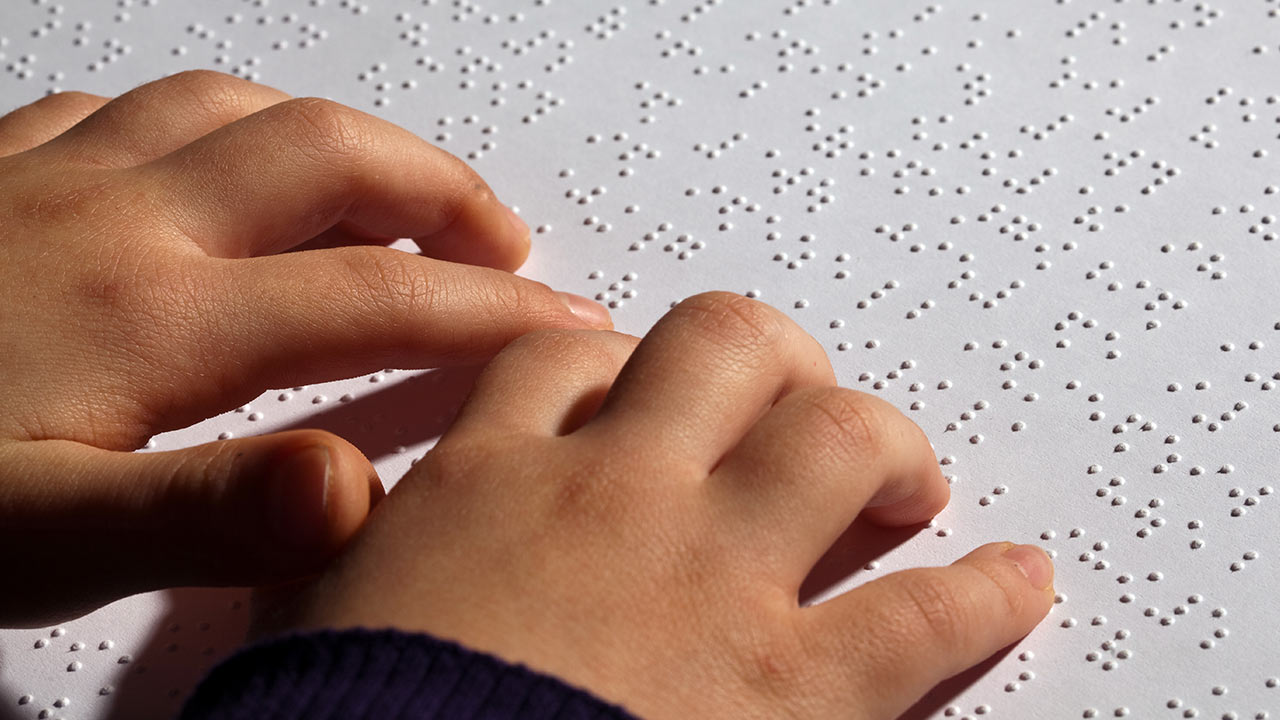
Braille: A system of raised dots that people with vision impairment can read with their fingers, used in books, signs, and other materials.
-
White Canes: A mobility aid used by individuals with vision loss to detect obstacles and navigate their surroundings.
-
Guide Dogs: Specially trained dogs that provide mobility assistance and companionship for people with visual impairments.
Empowerment and Advocacy
Empowerment and advocacy play vital roles in supporting individuals with vision impairment. Organizations like the National Federation of the Blind (NFB) and the American Foundation for the Blind (AFB) work tirelessly to advocate for the rights of people with visual impairments, promote accessibility, and provide resources and support.
Conclusion
Vision impairment may present significant challenges, but it does not define a person's abilities or potential. People with visual impairments demonstrate extraordinary resilience, adaptability, and determination as they navigate a world designed primarily for sighted individuals. Through early detection, assistive technology, and strong support networks, we can work together to create a more inclusive and accessible world where individuals with vision impairment can lead fulfilling and independent lives. By understanding and embracing diversity, we can build a society that values the unique contributions of all its members, regardless of their visual abilities.