Life-Saving Innovations: Navigating the Artificial Blood Industry

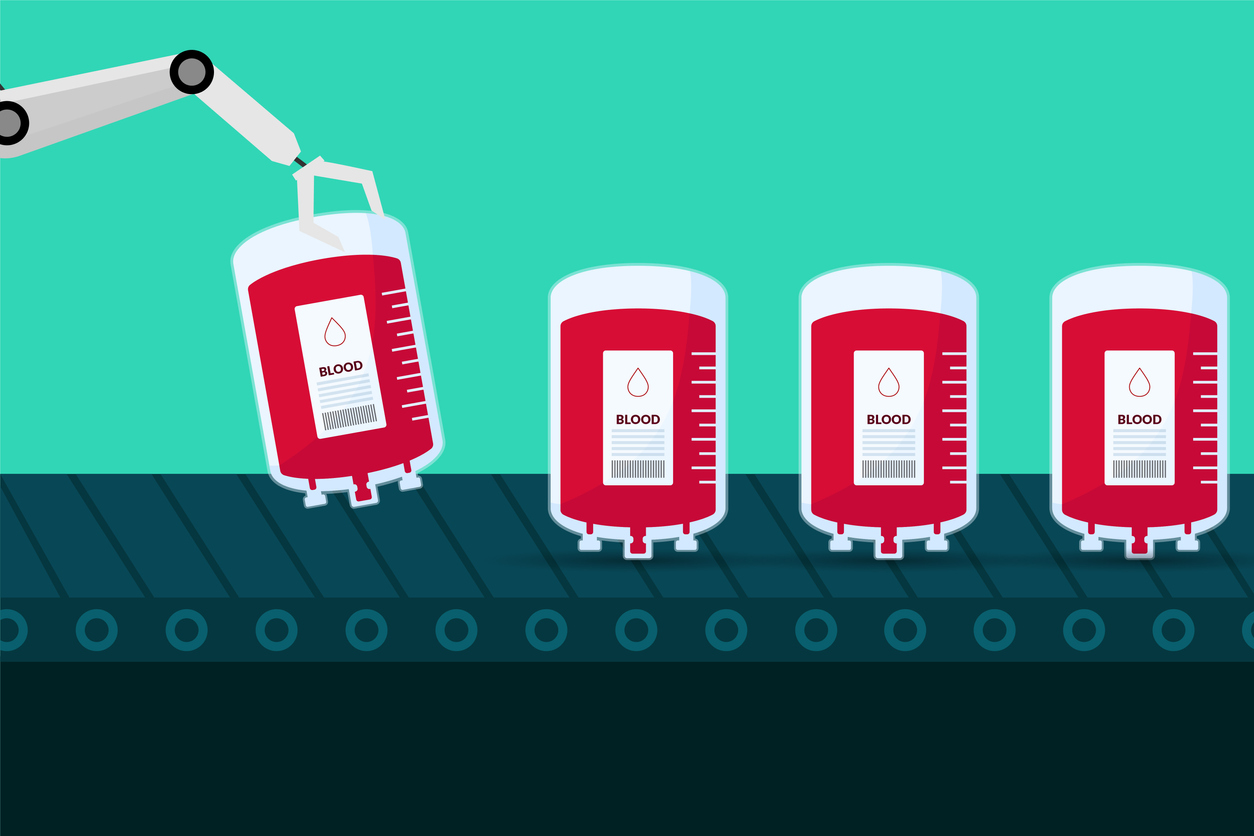
Artificial Blood: Paving the Way for Medical Breakthroughs
In the realm of modern medicine, the concept of artificial blood may sound like something out of science fiction. However, it's a real and evolving field with the potential to save lives in situations where conventional blood transfusions are challenging or unavailable. In this short blog post, we'll explore the exciting world of artificial blood and its role in transforming healthcare.
What Is Artificial Blood?
Artificial blood, also known as synthetic blood or blood substitute, is a substance designed to mimic the oxygen-carrying capacity of real blood. It's created through various methods, including chemical formulations and biotechnology processes. While it may not replicate all the complex functions of natural blood, it can serve as a crucial stopgap in critical situations.
In conclusion, artificial blood is a groundbreaking field with the power to transform the way we approach critical medical situations. As advancements in science and technology continue, artificial blood could become a vital tool in saving lives and ensuring that patients receive the life-sustaining care they need, regardless of where they are or the challenges they face. Stay tuned for further developments in this remarkable area of medical research.
The Need for Artificial Blood
Blood is a lifeline, carrying oxygen and essential nutrients to every cell in our bodies. In emergencies such as trauma, surgeries, or severe blood loss, timely access to safe and compatible blood can make the difference between life and death. Unfortunately, conventional blood supply systems face constraints, including shortages and logistical challenges. This is where artificial blood comes into play.
More Insight