Life in Liquid Gold: Exploring Blood and its Vital Components

Blood, often referred to as "liquid gold," is a remarkable fluid that plays an indispensable role in sustaining life. Comprising a complex mixture of cells, proteins, and other elements, blood circulates through our bodies, ensuring the delivery of oxygen, nutrients, and hormones to cells while removing waste products. This intricate system showcases the marvels of biology and the interconnectedness of various components that keep us alive.
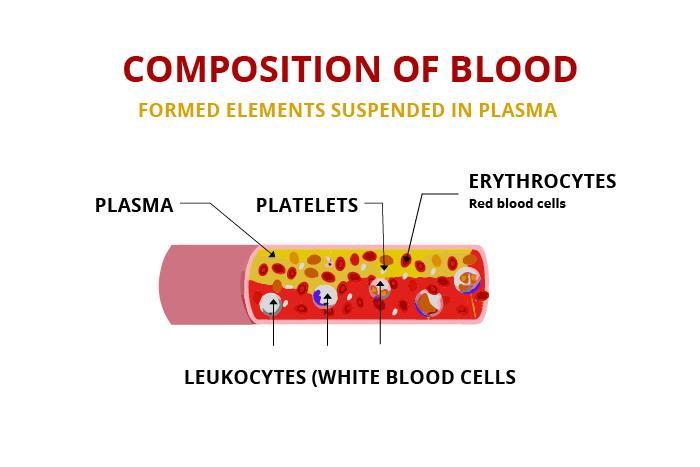
At the heart of blood's significance are its vital components, each contributing uniquely to its life-sustaining functions. The primary constituents of blood include red blood cells (erythrocytes), white blood cells (leukocytes), platelets (thrombocytes), and plasma. These elements work in harmony to maintain bodily functions, fight infections, and facilitate wound healing.
Red Blood Cells (Erythrocytes): These disc-shaped cells contain hemoglobin, a protein that binds to oxygen in the lungs and releases it to tissues throughout the body. The bright red color of blood is attributed to hemoglobin's iron content. Red blood cells have a lifespan of about 120 days, after which they are recycled by the spleen and liver.
White Blood Cells (Leukocytes): As guardians of the immune system, white blood cells defend the body against infections and diseases. They come in various types, each specializing in different tasks. Neutrophils, for instance, are the first responders to bacterial infections, while lymphocytes play a crucial role in long-term immune responses and antibody production.
Platelets (Thrombocytes): These tiny, disk-shaped cell fragments play a vital role in blood clotting. When a blood vessel is injured, platelets rush to the site and release chemicals that initiate clot formation, preventing excessive bleeding. This mechanism is essential for wound healing and preventing blood loss.
Plasma: Making up about 55% of blood volume, plasma is a pale yellow fluid that contains water, electrolytes, hormones, waste products, and proteins such as albumin, globulins, and fibrinogen. Albumin maintains blood volume and transports substances like hormones and fatty acids. Globulins are involved in immune responses, while fibrinogen is essential for blood clotting.
The interplay between these components ensures the proper functioning of the circulatory system and overall health. Blood delivers oxygen from the lungs to tissues and carries away carbon dioxide for exhalation. Nutrients absorbed from the digestive system are transported to cells via blood, and metabolic waste products are transported to organs responsible for their elimination.
Beyond its physiological role, blood has cultural, symbolic, and historical significance across different societies. In ancient times, blood was often associated with life force and spirituality. Today, blood donation is a critical aspect of modern healthcare, as it provides an essential resource for medical procedures, surgeries, and emergencies.
In conclusion, the intricate composition and functions of blood and its vital components reveal the astounding complexity of the human body. This "liquid gold" sustains life by delivering oxygen, nutrients, and immune defenses while ensuring proper clotting mechanisms. Understanding the intricacies of blood empowers us to appreciate the wonders of our bodies and underscores the importance of maintaining its health through proper nutrition, exercise, and medical care.