Interventional Radiology: Pioneering Minimally Invasive Techniques for Precision Medicine

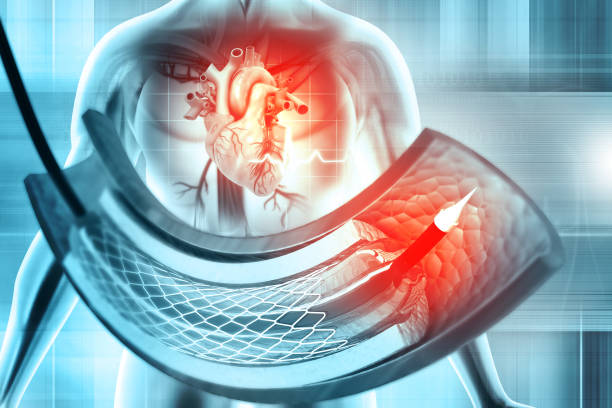
Interventional radiology (IR) is a medical subspecialty that employs advanced imaging technologies and minimally invasive techniques to diagnose and treat a wide range of medical conditions. IR procedures are guided by real-time imaging, such as fluoroscopy, ultrasound, CT scans, and MRI, allowing precise navigation and targeted interventions without the need for open surgery. This article explores the evolution of interventional radiology, its diverse applications in various medical fields, and the transformative impact it has had on patient care and outcomes.
Evolution and Milestones in Interventional Radiology:
The roots of interventional radiology can be traced back to the 1960s when pioneering radiologists first started using fluoroscopy and angiography to diagnose and treat vascular conditions. Over the years, the field expanded rapidly with advancements in imaging technology and the development of novel catheter-based techniques. Key milestones in the evolution of interventional radiology include:
-
Angioplasty and Stent Placement: Interventional radiologists played a pivotal role in the development of angioplasty and stent placement techniques, revolutionizing the treatment of arterial blockages and narrowing.
-
Embolization: Embolization procedures involve the deliberate blocking of blood vessels to control bleeding, shrink tumors, or treat vascular malformations. This technique has proved beneficial in managing various conditions, including uterine fibroids and liver tumors.
-
Percutaneous Biopsies: Interventional radiologists introduced percutaneous biopsies, allowing the accurate and minimally invasive sampling of tissue for diagnostic purposes.
-
Transarterial Chemoembolization (TACE): TACE is a targeted therapy used to treat liver cancer by delivering chemotherapy drugs directly to the tumor while blocking its blood supply.
Applications of Interventional Radiology:
-
Vascular and Interventional Oncology: Interventional radiologists play a critical role in managing various cancers, such as liver, kidney, and lung tumors, through minimally invasive procedures like ablation, embolization, and radioembolization.
-
Interventional Neuroradiology: This subspecialty focuses on treating neurological conditions, such as stroke, aneurysms, and arteriovenous malformations, using catheter-based techniques to navigate the complex cerebral vasculature.
-
Gastrointestinal and Genitourinary Interventions: Interventional radiology techniques are used to treat conditions like biliary obstruction, kidney stones, and varicoceles with minimal patient discomfort and shorter recovery times.
-
Interventional Pain Management: Interventional radiologists administer nerve blocks and perform procedures like vertebroplasty and kyphoplasty to manage chronic pain, especially in patients with spinal conditions.
-
Women's Health: IR procedures are employed in gynecological conditions, such as fibroids, pelvic congestion syndrome, and postpartum hemorrhage, offering effective alternatives to traditional surgery.
Advantages of Interventional Radiology:
-
Minimally Invasive: IR techniques typically involve small incisions or access points, reducing trauma, pain, and scarring compared to open surgery.
-
Reduced Hospital Stay: Many IR procedures are performed on an outpatient basis or with shorter hospital stays, leading to faster recovery and reduced healthcare costs.
-
Precision and Targeted Therapy: IR allows precise delivery of treatment to the affected area, minimizing damage to surrounding healthy tissues.
-
Lower Risk of Complications: The minimally invasive nature of IR procedures is associated with lower rates of complications, infections, and postoperative discomfort.
-
Multidisciplinary Collaboration: Interventional radiologists often work in collaboration with other specialists, such as oncologists, neurologists, and surgeons, to provide comprehensive and personalized patient care.
Challenges and Future Directions:
-
Skill and Training: Interventional radiology requires specialized training and expertise, necessitating ongoing education to keep pace with advancements in technology and techniques.
-
Radiation Exposure: Prolonged exposure to radiation during IR procedures is a concern for both patients and healthcare professionals. Efforts are underway to minimize radiation dose while maintaining image quality.
-
Access to Technology: In some regions, limited access to advanced imaging equipment and interventional facilities may hinder the widespread adoption of IR techniques.
-
Cost Considerations: While IR procedures offer numerous advantages, the initial investment in technology and specialized training can be a factor in resource-limited settings.
Looking ahead, the future of interventional radiology holds promising developments:
-
Image-Guided Theranostics: The integration of imaging and therapeutics, known as theranostics, will enable real-time monitoring of treatment response, leading to more personalized and effective therapies.
-
Robotics and Navigation: Robotics and navigation systems hold the potential to enhance the precision and accuracy of IR procedures, expanding the range of treatable conditions.
-
Nanotechnology: Advancements in nanotechnology may enable targeted drug delivery and imaging at the cellular level, opening new avenues for interventional oncology.
Conclusion:
Interventional radiology has emerged as a transformative subspecialty, redefining the landscape of modern medicine with its minimally invasive techniques and precision interventions. From oncology to neurology, IR plays a vital role in managing complex medical conditions while improving patient outcomes and quality of life. With ongoing advancements and a commitment to multidisciplinary collaboration, interventional radiology continues to pave the way for precision medicine, offering new hope and possibilities for patients and healthcare providers alike.