A Global Dilemma and the Quest for Effective Policies

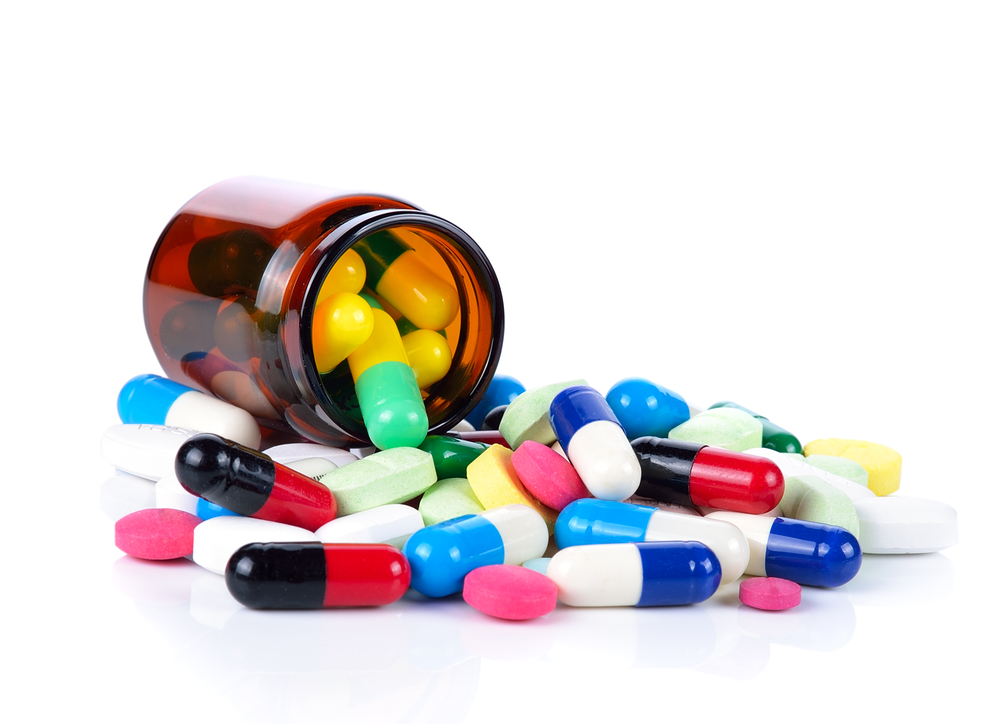
The term "controlled substance" refers to any chemical compound that has been regulated by the government due to its potential for abuse and addiction. In many countries, including the United States, controlled substances are divided into separate schedules based on their accepted medical uses, as well as their potential for abuse or dependence. Let's take a deeper look into what controlled substances are and how they are regulated to better protect public health.
What are Controlled Substances?
The Controlled Substances Act of 1970 established five schedules—Schedules I through V—through which controlled substances are regulated based on their medical application and abuse potential. Schedule I substances have no accepted medical use and a high potential for abuse, while Schedule V substances have a lower potential for abuse relative to substances in Schedules I-IV. Some examples of controlled substances include:
- Schedule I: Heroin, LSD, marijuana
- Schedule II: Oxycodone, fentanyl, methamphetamine
- Schedule III: Ketamine, anabolic steroids
- Schedule IV: Xanax, Soma, tramadol
- Schedule V: Cough medicine with codeine
Key to the scheduling system is balancing medication access for legitimate medical needs while limiting diversion and non-medical abuse. Substances are added to or moved between schedules based on scientific evaluation of their established medical utility compared to their potential health risks.
Regulation of Production, Distribution, and Dispensing
All stages of handling Controlled Substances are tightly regulated, from production and distribution to dispensing at the pharmacy counter. Manufacturers must obtain a registration from the Drug Enforcement Administration to produce or import any controlled substance. Distributors must register as well before engaging in the wholesale trade of these medications.
Practitioners who wish to prescribe or administer controlled substances must also obtain a registration after providing the necessary qualifications. Similarly, individual pharmacies must register in order to fill controlled substance prescriptions. Registrants are subject to periodic inspections and must comply with strict recordkeeping and security standards to prevent theft or diversion.
Prescriptions for controlled substances have additional requirements compared to other drugs. For Schedule II drugs like OxyContin, prescriptions may not be refilled or called-in to the pharmacy. Schedule III-V drugs allow limited refills but must be dated and signed by the prescriber for legitimacy. Together, these regulations aim to preserve access while establishing accountability across the controlled substances distribution system.
The Rising Issue of Prescription Drug Abuse
While prescription drugs serve important medical functions, their abuse has risen to epidemic levels in recent decades according to the Centers for Disease Control and Prevention (CDC). The non-medical use of prescription opioids alone killed over 16,000 Americans in 2016. Meanwhile, prescription stimulants like Adderall are increasingly diverted from legitimate scripts and taken recreationally on college campuses.
A few key factors have contributed to this public health crisis:
- Aggressive marketing of prescription painkillers downplayed addiction risks
- Lax enforcement of pill mill operations that freely supplied opioids
- Confusion regarding safe storage and disposal of leftover medications
- Social acceptance of prescription drug use outside medical supervision
In response, regulatory efforts have focused on improving prescription monitoring programs, provider education, and take-back programs for unused meds. The scheduling of hydrocodone combination products from III to II also aimed to stem abuse. However, the diversion of licit substances remains a multifaceted problem requiring ongoing prevention strategies.
The Challenges of Substance Use Disorders
For some individuals, non-medical use of controlled or illicit substances transitions into a compulsive pattern of dependence clinically defined as a substance use disorder (SUD). SUDs alter brain reward systems over time and can manifest in unhealthy behaviors like compulsive drug seeking regardless of personal consequences.
Certain risk factors increase vulnerability to developing addiction, including genetic predisposition, early life trauma, co-occurring mental health conditions, and psychosocial stressors. However, SUDs remain highly treatable medical conditions when addressed comprehensively through behavioral therapies and medication-assisted treatment where appropriate. Addiction specialists aim to help patients regain control and make positive lifestyle changes.
Treatment continues advancing, but accessibility challenges remain. Only one in ten people with a SUD in the U.S. receive specialty care due to insufficient provider networks and lack of insurance parity. Reducing opioid overdoses during the current crisis requires expanding community-based treatment and recovery support services wherever possible. SUDs also carry enormous social and economic costs, emphasizing the need for comprehensive prevention and care efforts.
Explore more information on this topic, Please visit-
https://www.newsstatix.com/controlled-substance-market-share-size-and-growth-share-trends-analysis-demand-forecast/
Explore more trending article Related this topic:
https://masstamilan.tv/asean-organic-cosmetics-market-trends-opportunities-and-growth-potential/