Gene and Cell Therapies Targeting Central Nervous System (CNS) Disorders

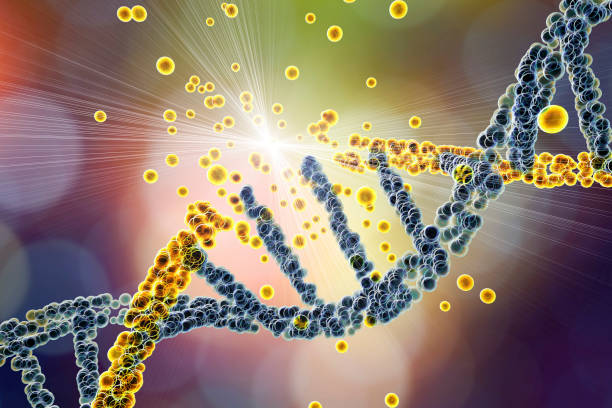
The human central nervous system (CNS) is a complex network of cells and signaling pathways that govern vital functions like cognition, movement, and sensory perception. Disorders affecting the CNS, such as neurodegenerative diseases, neuromuscular disorders, and brain tumors, pose significant challenges to medical researchers and healthcare providers. Traditional treatment approaches often provide limited relief and fail to address the underlying causes of these debilitating conditions. However, recent advancements in gene and cell therapies hold great promise in revolutionizing the management of CNS disorders by targeting their root causes and potentially offering curative interventions. This article explores the cutting-edge developments and applications of gene and cell therapies in tackling various CNS disorders.
Understanding Gene and Cell Therapies
Gene and cell therapies represent groundbreaking medical techniques that aim to modify or replace genetic material or cells to treat diseases. In the context of CNS disorders, these therapies offer a unique opportunity to address genetic defects, restore cell function, and promote neural repair and regeneration. Gene therapies involve the delivery of functional genes into specific cells, while cell therapies involve transplanting healthy or genetically modified cells into affected tissues. The underlying principle of these therapies is to correct or compensate for the molecular or cellular defects responsible for the CNS disorder.
Gene and Cell Therapies for Neurodegenerative Diseases
Neurodegenerative diseases, such as Alzheimer's, Parkinson's, and amyotrophic lateral sclerosis (ALS), are characterized by the progressive degeneration of neurons, leading to cognitive and motor impairments. Gene and cell therapies hold immense potential in the treatment of these disorders. Viral vectors are commonly employed to deliver therapeutic genes into the CNS, aiming to produce essential proteins that protect neurons from degeneration or enhance their survival. Additionally, stem cell-based approaches aim to replace damaged neurons with healthy ones, promoting functional recovery. Clinical trials for gene and cell therapies targeting neurodegenerative diseases are underway, showing promising results and sparking hope for more effective treatments.
Neuromuscular Disorders: Duchenne Muscular Dystrophy (DMD)
Duchenne muscular dystrophy is a severe neuromuscular disorder caused by mutations in the DMD gene, leading to the absence of the dystrophin protein. Gene therapy offers a potential cure for DMD by delivering functional copies of the DMD gene to muscle cells. Recent studies using adeno-associated viral vectors to deliver the therapeutic gene have shown encouraging outcomes in preclinical and early-stage clinical trials. Challenges in delivery efficiency and immune response remain, but ongoing research aims to address these issues and bring gene therapy closer to clinical application for DMD.
Targeting CNS Disorders with Precision Medicine
Precision medicine, an approach that considers individual variability in genes, environment, and lifestyle, plays a crucial role in optimizing gene and cell therapies for CNS disorders. By tailoring treatments to a patient's specific genetic and molecular characteristics, precision medicine enhances the therapeutic efficacy and reduces adverse effects. The integration of cutting-edge technologies like CRISPR-Cas9 gene editing further refines the precision of these therapies, opening new avenues for tackling previously untreatable CNS conditions.
Challenges and Future Directions
Despite the remarkable potential of gene and cell therapies for CNS disorders, several challenges persist. The blood-brain barrier remains a significant obstacle, hindering effective delivery of therapeutic agents to the CNS. Additionally, long-term safety and efficacy data are required to ensure the durability of treatment effects. Regulatory considerations, ethical concerns, and cost implications also warrant careful attention.
Conclusion
Gene and cell therapies represent a revolutionary frontier in the treatment of CNS disorders, offering hope to millions of patients worldwide. Through innovative research, collaboration between scientists, clinicians, and regulatory bodies, and the application of precision medicine principles, these therapies are on the path to becoming transformative treatments for previously untreatable neurological conditions. While challenges remain, the future of gene and cell therapies targeting CNS disorders appears promising, holding the potential to improve the quality of life for countless individuals and families affected by these devastating conditions.