Fibrinolytic Therapy: Dissolving Clots for Lifesaving Results

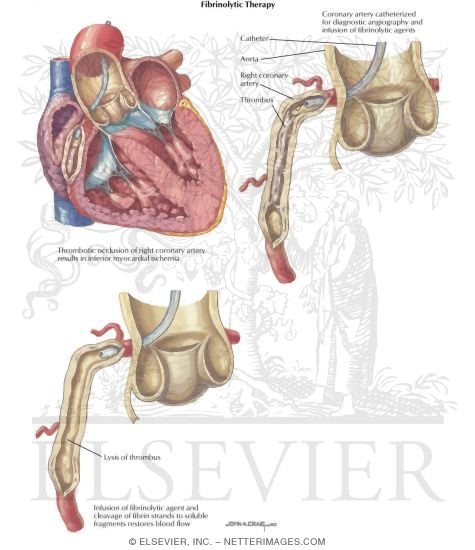
Fibrinolytic therapy, often referred to as thrombolytic therapy, is a medical marvel that plays a critical role in treating life-threatening conditions caused by blood clots. This revolutionary treatment has saved countless lives by swiftly dissolving these potentially fatal obstructions, restoring blood flow, and preventing further damage. In this blog, we delve into the world of fibrinolytic therapy, exploring its mechanism, applications, benefits, and considerations.
Understanding Fibrinolytic Therapy
At its core, fibrinolytic therapy involves the administration of specialized medications known as fibrinolytics. These powerful agents work by breaking down fibrin, a protein that forms the framework of blood clots. By doing so, fibrinolytics effectively dissolve clots and reestablish blood circulation, mitigating the risk of severe complications like heart attacks and strokes.
Applications of Fibrinolytic Therapy
Fibrinolytic therapy finds its use in a range of critical medical situations. One of its most prominent applications is in the management of acute myocardial infarctions, commonly known as heart attacks. Rapid intervention with fibrinolytics can halt the progression of a heart attack, minimize cardiac muscle damage, and enhance the chances of a full recovery.
Moreover, fibrinolytic therapy is instrumental in treating ischemic strokes, where a clot obstructs blood flow to the brain. Swift administration of fibrinolytics can potentially reverse the damaging effects of a stroke and improve patient outcomes.
The Benefits of Fibrinolytic Therapy
The impact of fibrinolytic therapy cannot be overstated, as it offers several compelling benefits:
1. Rapid Restoration of Blood Flow: Fibrinolytic therapy acts swiftly to dissolve clots and restore blood flow. This speed is of the essence in preventing irreversible tissue damage during critical medical events.
2. Non-Invasive Alternative: Fibrinolytic therapy provides a non-invasive option for clot removal, reducing the need for more invasive procedures like surgical interventions.
3. Accessibility and Convenience: Fibrinolytic therapy can often be administered in emergency settings, making it an accessible and convenient option for patients in dire need.
4. Potential Cost Savings: By averting severe complications and the need for extensive treatments, fibrinolytic therapy can lead to potential cost savings for both patients and healthcare systems.
Considerations and Potential Risks
While fibrinolytic therapy offers remarkable benefits, it's essential to acknowledge the potential risks and considerations:
1. Bleeding: The most significant concern associated with fibrinolytic therapy is the risk of excessive bleeding. These potent medications can lead to bleeding disorders, making careful patient selection and monitoring paramount.
2. Time Sensitivity: Fibrinolytic therapy's effectiveness often hinges on timely administration. Delayed treatment may diminish its potential benefits and increase the risk of complications.
3. Contraindications: Certain medical conditions, such as recent surgeries or active bleeding disorders, may contraindicate the use of fibrinolytic therapy. A thorough assessment of the patient's medical history is crucial.
In Conclusion
Fibrinolytic therapy stands as a remarkable advancement in modern medicine, offering a lifeline to individuals facing life-threatening blood clots. Its ability to dissolve obstructions, restore blood flow, and prevent irreversible damage has revolutionized the treatment landscape for conditions like heart attacks and strokes. However, the decision to employ fibrinolytic therapy should always be based on a thorough evaluation of the patient's medical history and condition, weighing the potential benefits against the risks. As medical research continues to evolve, fibrinolytic therapy holds the promise of further refinements and improved outcomes, continuing its vital role in saving lives.
Incorporating fibrinolytic therapy into medical practice has undeniably been a game-changer, offering a beacon of hope in dire situations. This blog has aimed to shed light on this transformative treatment, emphasizing its significance, benefits, and considerations. As healthcare continues to progress, fibrinolytic therapy stands as a testament to human ingenuity, exemplifying how science and innovation can converge to tackle life's most formidable challenges.