Enrofloxacin - A Versatile Antibacterial Drug

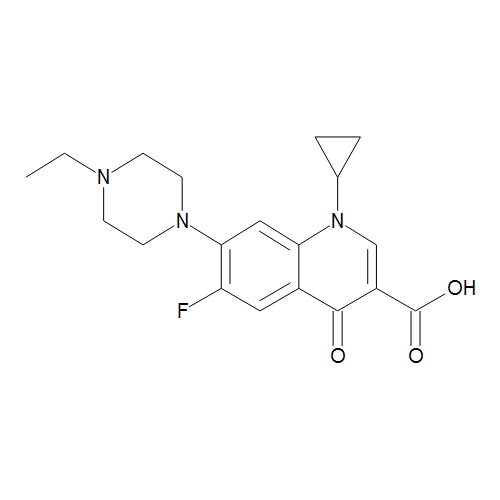
Enrofloxacin is a fluoroquinolone carboxylic acid antibacterial drug used primarily in veterinary medicine. It belongs to the class of fluoroquinolones which are broad-spectrum antibiotics. Discovered by scientists at Bayer AG in Germany in the 1980s, Enrofloxacin was one of the earliest quinolones to be used for veterinary applications. Over the years, it has emerged as one of the most versatile antibacterial drugs for treating infections in a wide range of livestock and companion animals.
Chemical Properties and Mechanism of Action
Chemically, Enrofloxacin is a fluorinated carboxyquinolone that exists as a white or yellowish crystalline powder. It is sparingly soluble in water but freely soluble in methanol and ethanol. Enrofloxacin works by inhibiting DNA gyrase and topoisomerase IV, two important enzymes required for bacterial DNA replication and transcription. By blocking the activity of these enzymes, Enrofloxacin prevents DNA from unwinding and duplicating, leading to bacterial cell death. This mechanism of action gives Enrofloxacin broad-spectrum activity against both gram-positive and gram-negative bacteria.
Approved Veterinary Uses
Some of the major clinical uses of Enrofloxacin approved by regulatory authorities include:
- Respiratory infections in cattle, pigs and poultry caused by Pasteurella, Mycoplasma or Chlamydia species.
- Urinary tract infections in cats and dogs due to E. coli, Proteus species and others.
- Skin and soft tissue infections in all species caused by Staphylococcus intermedius and Streptococcus species.
- Gastrointestinal infections in pigs and poultry associated with Salmonella, E. coli, Campylobacter and Lawsonia intracellularis.
- Septicemias in cattle, pigs and poultry often seen secondary to respiratory, enteric or post-surgical infections.
Pharmacokinetic Properties
Enrofloxacin is readily absorbed from the gastrointestinal tract after oral administration in soluble formulations. It also shows good absorption after intramuscular or subcutaneous injections. The bioavailability of orally administered Enrofloxacin is around 60-80% in most veterinary species. It is widely distributed in body tissues and fluids including lungs, liver, kidneys, prostrate and mammary glands. The drug shows good penetration into cells and intracellular fluid. Enrofloxacin is metabolized in the liver by CYP 450 isoenzyme system to an active metabolite ciprofloxacin. Total body clearance is primarily through renal excretion of unchanged drug and active metabolites. The half-life of elimination ranges between 6-12 hours in most species.
Dosage and Administration
The dosage of Enrofloxacin is dependent on the animal species, type of infection, severity of disease and pharmacokinetic factors. Some general dosage guidelines approved are:
- Cattle: 5-10 mg/kg body weight orally or subcutaneously once daily for 3-7 days.
- Pigs: 5 mg/kg orally twice daily for 3-7 days.
- Poultry: 10-20 mg/kg orally once daily for 3-5 days.
- Dogs: 5-10 mg/kg orally twice daily for 7-14 days.
- Cats: 5 mg/kg orally twice daily for 7-14 days.
Enrofloxacin is usually started as injectable formulation in severe systemic infections and later switched to oral administration to complete the treatment course.
Side Effects and Precautions
Like other fluoroquinolones, Enrofloxacin has a good safety profile at recommended doses. However, some potential adverse reactions that may occur include gastrointestinal disturbances, allergic skin reactions, cartilage damage and CNS side effects. It should be used judiciously in growing animals, pregnant/lactating animals and those with pre-existing renal or hepatic dysfunction. Due to possibility of selection for antibiotic-resistant bacteria, Enrofloxacin must be prescribed judiciously based on susceptibility testing. Therapeutic drug monitoring for optimal dosing is preferred during critical illnesses.
Get More Insights on Enrofloxacin