Enhancing Hearing Abilities: A Comprehensive Overview of Cochlear Implants

Introduction
Hearing loss is a prevalent condition affecting millions of people worldwide. For individuals with severe to profound hearing loss, traditional hearing aids may not be sufficient to restore their hearing abilities. In such cases, cochlear implants have emerged as a groundbreaking solution, revolutionizing the way we perceive and treat hearing impairment. This comprehensive overview delves into the workings, benefits, and considerations surrounding cochlear implants, shedding light on this life-changing technology.
Understanding Cochlear Implants
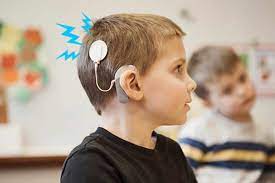
Cochlear implants are sophisticated electronic devices designed to bypass damaged parts of the inner ear and stimulate the auditory nerve directly. Unlike hearing aids, which amplify sound, cochlear implants directly convert sounds into electrical signals, which are then transmitted to the brain. The implant consists of two main components: an external speech processor and an internal implant.
The External Speech Processor: The external speech processor is worn behind the ear or on the body, depending on the device. It captures sound from the environment, processes it, and sends it to the internal implant through a transmitter coil.
The Internal Implant: Surgically placed beneath the skin, the internal implant comprises a receiver-stimulator that converts the processed sound into electrical signals. These signals are sent to a series of electrodes inserted into the cochlea – the snail-shaped, fluid-filled structure in the inner ear responsible for converting sound vibrations into electrical impulses.
The Cochlear Implant Process
The journey to obtaining a cochlear implant involves several steps. First, a thorough evaluation by an audiologist and an otolaryngologist is necessary to determine if the candidate is suitable for the procedure. Ideal candidates for cochlear implants are individuals with severe to profound sensorineural hearing loss, little to no benefit from conventional hearing aids, and a healthy auditory nerve.
Once candidacy is established, the surgical procedure is performed. During surgery, the internal implant is carefully placed beneath the skin, and the electrode array is gently inserted into the cochlea. After a brief healing period, typically about 2-4 weeks, the external speech processor is connected to the internal implant, and the activation process begins.
Post-implant Rehabilitation
The true success of a cochlear implant lies not only in the surgical procedure but also in post-implant rehabilitation. After activation, the brain needs time to adapt to the new way of processing sound. Audiologists and speech therapists play a crucial role in guiding patients through auditory training and speech therapy to help them improve their listening skills and speech comprehension.
Benefits of Cochlear Implants
Cochlear implants offer a wide range of benefits to recipients. Firstly, they provide access to sound for individuals who were previously unable to hear, significantly improving their quality of life. Cochlear implants can enhance speech understanding, allowing recipients to communicate more effectively in various environments, including noisy settings.
Moreover, cochlear implants have a profound impact on the development of children with hearing loss. Early implantation and appropriate auditory rehabilitation can facilitate speech and language development, enabling children to reach their full potential in education and social interactions.
Considerations and Limitations
While cochlear implants have brought about tremendous advancements in hearing restoration, they may not be suitable for everyone. Some individuals with partial hearing loss or those with specific medical conditions may not benefit significantly from cochlear implants. Additionally, the cost of cochlear implantation and post-implant rehabilitation can be significant factors to consider.
Conclusion
Cochlear implants have transformed the lives of countless individuals with severe to profound hearing loss, providing them with a renewed sense of sound and improved communication abilities. As technology continues to advance, cochlear implants will likely become even more effective and accessible, offering hope for a better future for those affected by hearing impairment. The collaboration between medical professionals, audiologists, and patients will continue to drive progress in this field, making the world of sound accessible to all.