Effective Treatment Options for Eye Inflammation

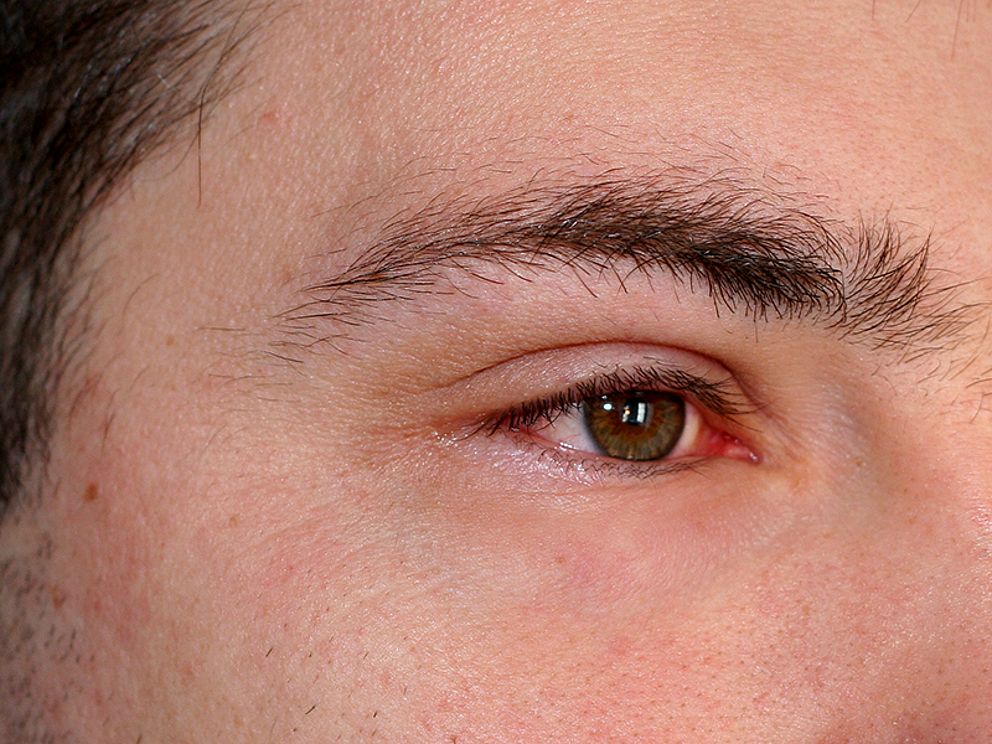
Eye inflammation, also known as ocular inflammation or uveitis, is a condition that affects various structures of the eye, such as the iris, ciliary body, and choroid. It can result from infections, autoimmune disorders, or other underlying health issues. If left untreated, eye inflammation can lead to severe complications, including vision loss. Therefore, it is crucial to promptly diagnose and treat this condition to ensure optimal visual health. In this article, we will explore some of the most effective treatment options for eye inflammation.
- Topical Steroids
One of the primary treatment methods for eye inflammation involves the use of topical corticosteroids. These medications help reduce inflammation and alleviate symptoms such as redness, pain, and light sensitivity. They are usually administered in the form of eye drops, allowing the medication to directly target the affected area. Doctors may prescribe different strengths of steroids depending on the severity of the inflammation.
- Non-Steroidal Anti-Inflammatory Drugs (NSAIDs)
NSAIDs are another class of eye drops used to treat eye inflammation. These medications work by inhibiting the production of certain chemicals that cause inflammation. In some cases, doctors may recommend using NSAIDs in combination with topical steroids for more effective treatment.
- Immunosuppressive Drugs
For cases of eye inflammation caused by autoimmune disorders, immunosuppressive drugs may be prescribed. These medications suppress the immune system's response, reducing inflammation and preventing further damage to the eye. Immunosuppressive drugs are typically used in more severe cases or when other treatment options have not provided sufficient relief.
- Biologics
In recent years, biologic drugs have shown promising results in treating eye inflammation, particularly for non-infectious uveitis. Biologics are genetically engineered proteins that target specific components of the immune system responsible for inflammation. They offer a more targeted approach compared to traditional immunosuppressive drugs, with potentially fewer side effects.
- Antibiotics and Antiviral Medications
If eye inflammation is caused by an underlying infection, such as bacterial or viral uveitis, the use of antibiotics or antiviral medications is essential. These drugs help eliminate the infection and reduce inflammation simultaneously.
- Corticosteroid Implants
In some cases, when prolonged treatment is necessary or traditional eye drops are not effective, doctors may opt for corticosteroid implants. These small, biodegradable devices are surgically implanted into the eye and release a steady dose of steroids over an extended period, providing sustained relief from inflammation.
Conclusion
Eye inflammation is a serious condition that requires timely and appropriate treatment to prevent potential vision loss and complications. The treatment options mentioned above, such as topical steroids, NSAIDs, immunosuppressive drugs, biologics, and antibiotics, can effectively manage different forms of eye inflammation. It is crucial to consult an eye care professional for a thorough examination and personalized treatment plan. Remember to follow the prescribed treatment regimen diligently and attend regular follow-up appointments to monitor your eye health effectively. Early intervention and proper care can significantly improve outcomes and preserve your precious vision.