Effective Treatment Approaches for Acute Kidney Injury: Restoring Kidney Function and Saving Lives

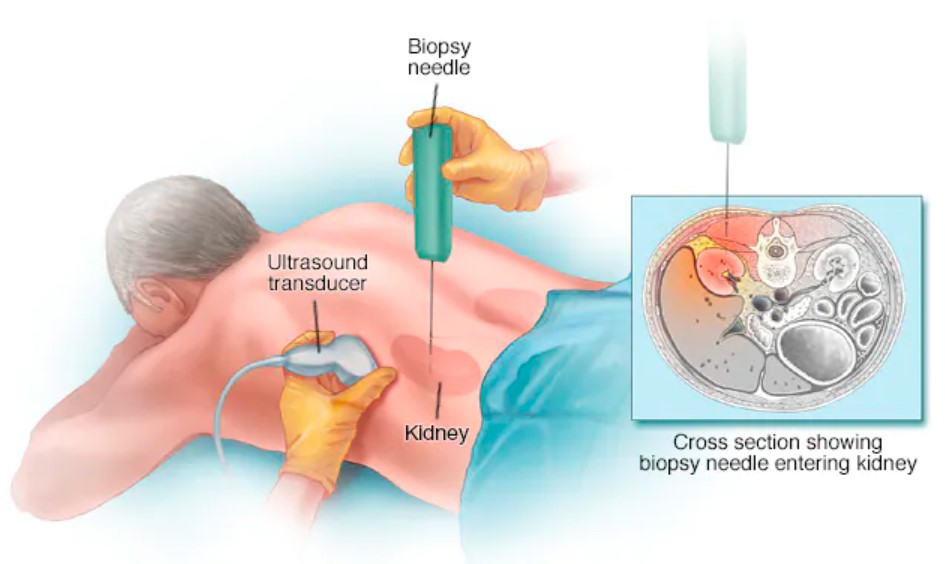
Acute Kidney Injury (AKI) is a sudden and often reversible condition characterized by a rapid decline in kidney function, resulting in the accumulation of waste products and electrolyte imbalances in the body. It is a severe medical emergency that requires immediate attention and proper management to prevent long-term complications and mortality. This blog aims to explore the different treatment approaches for AKI, ranging from conservative measures to advanced therapies that focus on restoring kidney function and improving patient outcomes.
- Early Recognition and Intervention
The first step in the successful management of AKI is early recognition and prompt intervention. Healthcare professionals must be vigilant in identifying patients at risk of AKI, such as those with pre-existing kidney conditions, elderly individuals, or individuals with certain comorbidities. When risk factors are identified, close monitoring of kidney function and urinary output becomes crucial to detect AKI at its earliest stage. Early intervention can help prevent the progression of AKI to more severe stages and improve the chances of recovery.
- Fluid and Electrolyte Management
Fluid and electrolyte balance play a vital role in AKI treatment. In cases of AKI, there might be an imbalance in the body's fluid levels, which can lead to edema or dehydration. Careful administration of intravenous fluids is necessary to maintain an adequate blood volume and prevent further kidney damage. Moreover, proper monitoring and correction of electrolyte abnormalities (such as potassium, sodium, and calcium) are essential to avoid life-threatening complications like arrhythmias and muscle weakness.
- Medication Review and Adjustment
Several medications can contribute to the development or exacerbation of AKI. Physicians should review the patient's medication history and discontinue or adjust medications that may be harmful to kidney function. Nonsteroidal anti-inflammatory drugs (NSAIDs), certain antibiotics, and contrast agents used in imaging studies are examples of medications that might need to be avoided or used with caution in patients at risk of AKI.
- Nutrition and Diet Management
Proper nutrition is crucial in AKI treatment. The diet must be adjusted to the patient's specific needs, and restrictions may be necessary to reduce the workload on the kidneys. Controlling protein intake and avoiding high-potassium and high-phosphorus foods are common dietary recommendations. In some cases, a registered dietitian may be involved to ensure the patient receives adequate nutrition while protecting kidney function.
- Renal Replacement Therapies
In severe cases of AKI, where the kidneys are unable to adequately filter waste products and toxins from the blood, renal replacement therapies become necessary. Hemodialysis, peritoneal dialysis, and continuous renal replacement therapy (CRRT) are techniques used to perform the functions of the kidneys artificially. These therapies can provide life-saving support until the patient's own kidneys recover or a suitable kidney transplant is performed.
- Pharmacological Interventions
Certain medications may be used to manage specific complications associated with AKI. For example, diuretics may be prescribed to enhance urine output and reduce fluid overload. Additionally, drugs to treat hypertension, anemia, or infections may be administered as needed.
- Prevention of Sepsis and Infections
AKI is often linked to sepsis or severe infections. Therefore, preventing and promptly treating infections is vital in AKI management. In cases of septic AKI, early identification, appropriate antimicrobial therapy, and source control are crucial to prevent further kidney damage and systemic complications.
- Addressing the Underlying Cause
AKI is often a consequence of an underlying medical condition, such as heart failure, liver disease, or certain infections. Treating the primary cause is essential to prevent recurrent episodes of AKI and improve overall kidney health.
Conclusion
Acute Kidney Injury is a serious medical condition that demands immediate attention and appropriate management. Early recognition, fluid and electrolyte management, medication review, dietary adjustments, and renal replacement therapies are essential components of AKI treatment. Additionally, addressing the underlying cause and preventing complications like infections play a significant role in improving patient outcomes. By employing a multifaceted approach to AKI treatment, healthcare professionals can restore kidney function and, ultimately, save lives.