Eczema Therapeutics: Advancements and Strategies in Managing Chronic Skin Inflammation

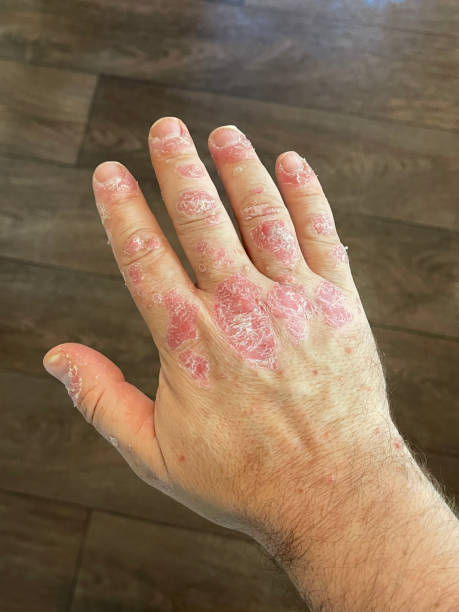
Eczema, also known as atopic dermatitis, is a common and chronic inflammatory skin condition that affects millions of individuals worldwide. Characterized by red, itchy, and inflamed skin, eczema can significantly impact a person's quality of life. Over the years, research and advancements in dermatology have led to the development of various eczema therapeutics, aiming to alleviate symptoms, control inflammation, and provide relief to those affected. This article explores the complexities of eczema, its underlying causes, and the diverse range of therapeutic options available to manage this chronic skin condition.
Understanding Eczema: Causes and Triggers
Eczema is a multifactorial condition, with both genetic and environmental factors contributing to its development. Individuals with a family history of eczema, asthma, or allergic rhinitis have a higher risk of developing the condition. The skin barrier dysfunction and immune dysregulation play key roles in eczema pathogenesis. Environmental triggers, such as allergens, irritants, microbial infections, and emotional stress, can exacerbate eczema symptoms, leading to flare-ups.
Topical Therapies for Eczema
Topical therapies are the cornerstone of eczema management and offer various options for symptom relief and inflammation control. Emollients and moisturizers form the foundation of eczema care by restoring the skin barrier and preventing moisture loss. Topical corticosteroids are widely used to reduce inflammation and itching during acute flare-ups. However, their prolonged use may lead to side effects, prompting the development of novel and safer topical treatments, such as calcineurin inhibitors and phosphodiesterase inhibitors.
Systemic Therapies for Severe Eczema
For individuals with severe or refractory eczema, systemic therapies may be necessary. Systemic corticosteroids are reserved for short-term use due to their potential for adverse effects. Immunosuppressive agents, like cyclosporine and methotrexate, are employed to control severe eczema, but long-term use requires close monitoring. The emergence of biologic therapies, such as dupilumab, has been a game-changer in eczema management. These targeted therapies block specific immune pathways responsible for inflammation, offering significant symptom relief and improved quality of life for patients with moderate to severe eczema.
Addressing Triggers and Allergens
Identifying and addressing triggers and allergens is essential in eczema management. Allergy testing can help determine specific allergens that may be exacerbating eczema symptoms. Avoidance of known triggers, such as certain foods, pet dander, pollen, and dust mites, can significantly reduce the frequency and severity of eczema flare-ups.
Wet Wrap Therapy and Phototherapy
Wet wrap therapy involves the application of wet dressings over topical medications, enhancing the absorption of moisturizers and anti-inflammatory agents. This technique is particularly beneficial during acute exacerbations of eczema. Phototherapy, utilizing controlled exposure to ultraviolet (UV) light, is another effective treatment option for eczema, especially for individuals with widespread and difficult-to-control symptoms. However, phototherapy requires careful monitoring to minimize the risk of UV-induced skin damage.
Integrative Approaches and Lifestyle Modifications
Integrative approaches, such as complementary therapies and dietary interventions, are gaining traction in eczema management. Probiotics and prebiotics have shown promise in modulating gut health and immune responses, potentially influencing eczema outcomes. Additionally, lifestyle modifications, including stress reduction techniques and maintaining a healthy diet, can contribute to overall well-being and possibly impact eczema symptomatology.
Future Directions in Eczema Therapeutics
Continued research and innovation in eczema therapeutics hold promise for improved outcomes and patient care. Ongoing studies exploring the role of specific immune pathways and novel therapeutic targets may lead to the development of more tailored and effective treatments. Personalized medicine approaches, taking into account an individual's genetic profile and disease characteristics, may further optimize eczema management. Furthermore, advances in nanotechnology and drug delivery systems may enhance the efficacy and safety of topical treatments.
Conclusion
Eczema therapeutics have come a long way in addressing the complexities of this chronic inflammatory skin condition. From topical therapies to targeted biologics, a wide array of treatment options exists to alleviate symptoms and improve the quality of life for those affected by eczema. Future advancements and research in eczema therapeutics offer hope for more personalized and effective treatments, ensuring that individuals with eczema can lead fulfilling lives with optimal skin health. As the understanding of eczema pathogenesis deepens, and new therapeutic options emerge, the journey towards managing eczema will continue to evolve, empowering patients and healthcare providers alike to overcome the challenges of this chronic skin disorder.