The Eco-Friendly Revolution: Embracing the Menstrual Cup

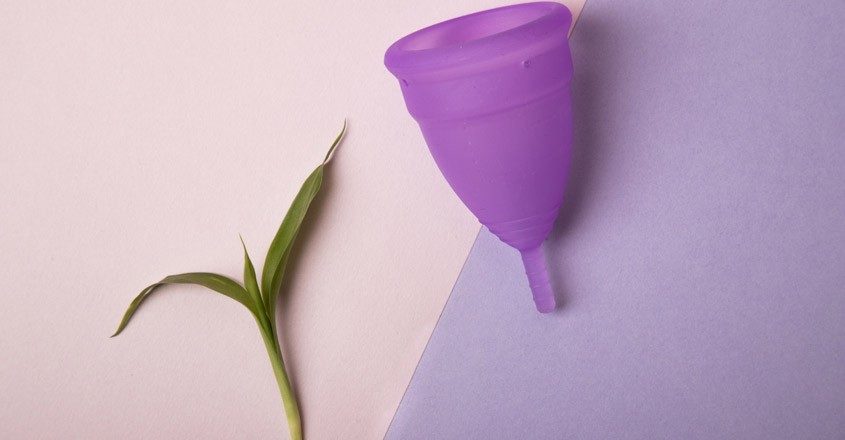
In a world that is becoming increasingly conscious of environmental issues, it's no surprise that individuals are seeking sustainable alternatives in every aspect of their lives. One such revolutionary solution that has gained momentum is the menstrual cup. As we bid farewell to traditional disposable sanitary products, let's delve into the world of menstrual cups and explore how they are not only transforming our approach to feminine hygiene but also making a positive impact on the planet.
What Exactly is a Menstrual Cup?
A menstrual cup is a small, bell-shaped device typically made from medical-grade silicone, rubber, or elastomer. It is designed to be inserted into the vagina during menstruation to collect menstrual fluid rather than absorbing it like traditional tampons or pads. The cup creates a leak-proof seal and can be worn for up to 12 hours, providing long-lasting protection without the need for frequent changes.
Eco-Friendly and Sustainable
One of the most compelling reasons to switch to a menstrual cup is its eco-friendliness. Consider the sheer volume of disposable sanitary products used globally each year – tampons, pads, and their packaging contribute significantly to environmental pollution. On the contrary, a single menstrual cup can last for several years, drastically reducing the amount of waste generated. By adopting this reusable alternative, you are actively participating in the reduction of plastic waste and promoting a more sustainable future.
Health Benefits and Cost-Efficiency
Beyond its positive environmental impact, the menstrual cup offers numerous health benefits. Unlike tampons, which can sometimes lead to vaginal dryness and discomfort, the cup maintains the natural pH balance of the vagina and does not interfere with its moisture. Additionally, menstrual cups are free from harmful chemicals often found in disposable products. While the initial cost of a menstrual cup may be higher than a box of tampons, its durability ensures long-term cost-efficiency, saving you money in the long run.
Breaking Taboos and Dispel Misconceptions
Despite its many advantages, the menstrual cup has not been without its share of skepticism and misconceptions. Some individuals have expressed concerns about its usage, associating it with discomfort or difficulty in insertion. However, with proper guidance and practice, most users quickly adapt to using the cup. It's important to remember that like any new routine, there may be a learning curve, but the benefits far outweigh any initial discomfort.
Making the Switch: A Step-By-Step Guide
-
Choose the Right Cup: Menstrual cups come in various sizes and shapes to accommodate different body types and menstrual flows. Research and choose a cup that suits you best.
-
Sanitize Your Hands: Before insertion, ensure that your hands are clean to maintain proper hygiene.
-
Fold and Insert: There are different folding techniques to make insertion easier. Experiment to find the fold that works for you, then gently insert the cup into your vagina.
-
Create a Seal: Rotate or adjust the cup once inserted to ensure a leak-proof seal. You can feel for the cup to make sure it has fully opened.
-
Empty and Clean: Depending on your flow, you can wear the cup for up to 12 hours. When it's time to empty it, remove, empty the contents into the toilet, rinse, and reinsert.
-
Sterilize Between Cycles: At the end of your period, sterilize the cup according to the manufacturer's instructions to keep it clean and ready for the next cycle.
Join the Menstrual Revolution Today!
As we strive for a greener planet and healthier lifestyles, embracing the menstrual cup is a simple yet impactful step you can take. By incorporating this innovative and sustainable solution into your feminine hygiene routine, you contribute to reducing plastic waste, promoting vaginal health, and even saving money in the long term. Let's break the taboos, dispel the misconceptions, and empower ourselves and others to make informed and eco-conscious choices. Join the menstrual revolution today – for a cleaner, healthier, and more sustainable future.