Dental Caries Treatment: Preserving Smiles and Oral Health

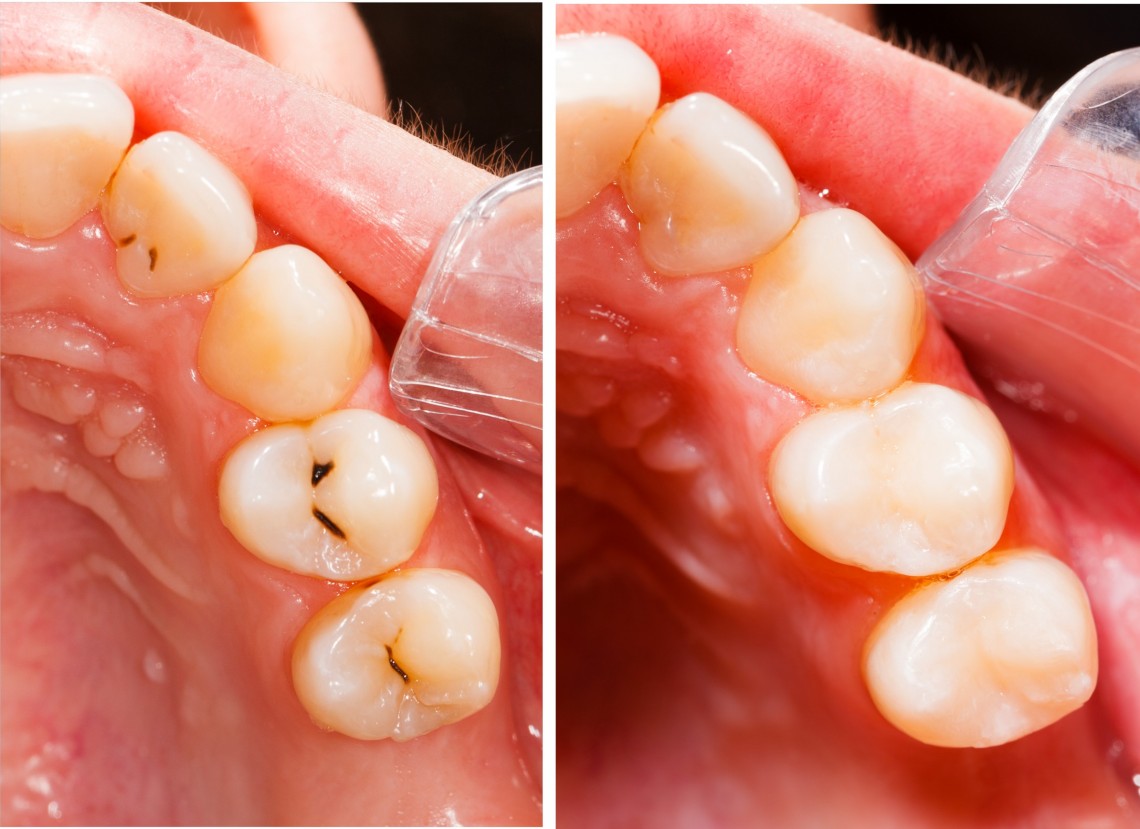
Dental caries, commonly known as cavities or tooth decay, is one of the most prevalent oral health issues worldwide. It is caused by the gradual breakdown of tooth enamel due to bacterial activity and poor oral hygiene. While dental caries can be concerning, prompt and appropriate treatment can help preserve smiles and maintain optimal oral health. In this blog, we will explore dental caries treatment options, the importance of early intervention, and preventive measures to safeguard your pearly whites.
Understanding Dental Caries: Dental caries is a progressive condition that begins with the accumulation of plaque—a sticky film containing bacteria—on the tooth surface. The bacteria feed on sugars from food and produce acids that erode the enamel, leading to cavities. If left untreated, the decay can penetrate deeper layers of the tooth, causing pain, sensitivity, and potential complications, such as infections or abscesses.
Treatment Options for Dental Caries: The treatment of dental caries depends on the extent of decay and the overall oral health of the patient. Common treatment options include:
-
Dental Fillings: Dental fillings are the standard treatment for small to moderate-sized cavities. During this procedure, the dentist removes the decayed portion of the tooth and fills the cavity with a durable and tooth-colored material, such as composite resin or amalgam.
-
Dental Crowns: For more extensive decay that weakens the tooth structure, a dental crown may be recommended. Crowns are custom-made caps that cover the entire tooth, providing strength and protection.
-
Root Canal Therapy: When dental caries progresses to the tooth's inner pulp, it can cause severe pain and infection. In such cases, root canal therapy is performed to remove the infected pulp and seal the tooth to prevent further decay.
-
Tooth Extraction: In cases of advanced decay or irreparable damage, the tooth may need to be extracted. Following extraction, options like dental implants or bridges can be considered for tooth replacement.
The Importance of Early Intervention: Early detection and treatment of dental caries are crucial to prevent further damage and potential complications. Regular dental check-ups, which include professional cleanings and examinations, can help identify cavities in their early stages when conservative treatment options are most effective.
Preventive Measures for Dental Caries: Preventing dental caries is key to maintaining oral health. Here are some essential preventive measures:
-
Brushing and Flossing: Regular brushing with fluoride toothpaste and flossing help remove plaque and food debris, reducing the risk of cavities.
-
Balanced Diet: Limiting sugary and acidic foods and beverages can help minimize the bacterial activity that causes decay.
-
Fluoride Treatment: Fluoride strengthens tooth enamel, making it more resistant to decay. Dentists may recommend fluoride treatments for additional protection.
-
Sealants: Dental sealants are protective coatings applied to the chewing surfaces of molars and premolars to prevent cavities in vulnerable areas.
Conclusion: Dental caries treatment is an essential aspect of oral healthcare, ensuring the preservation of teeth and a bright smile. By promoting good oral hygiene practices, seeking regular dental check-ups, and addressing cavities at an early stage, individuals can maintain healthy teeth and gums throughout their lives. Remember, a confident smile begins with a commitment to oral health and preventive care.