The Cutting-Edge World of Endoscopy Video Processor: Revolutionizing Medical Imaging

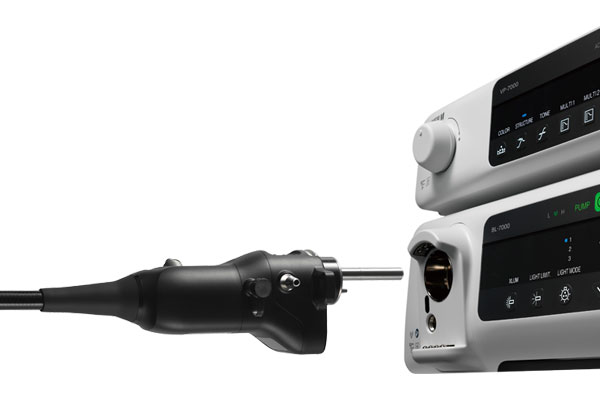
In the fast-paced realm of medical technology, the endoscopy video processor stands out as a game-changer in the field of medical imaging. This sophisticated device has transformed the way healthcare professionals visualize and diagnose various medical conditions, offering unprecedented clarity and precision. In this blog, we will delve into the fascinating world of endoscopy video processors, exploring their functions, benefits, and the impact they have had on healthcare practices.
What is an Endoscopy Video Processor?
An endoscopy video processor is a state-of-the-art medical device that plays a pivotal role in endoscopy procedures. Endoscopy, a minimally invasive diagnostic procedure, involves inserting a flexible tube with an attached camera into the body to visualize internal organs and tissues. The video processor is the heart of this entire process, as it captures, processes, and enhances the images obtained by the endoscope, ensuring exceptional image quality.
The Technological Marvels within
At the core of the endoscopy video processor lies a multitude of cutting-edge technologies. Advanced image sensors with high resolutions capture crystal-clear visuals, illuminating even the tiniest structures with remarkable precision. Signal processing algorithms work tirelessly to reduce noise and optimize image contrast, ensuring enhanced visibility for medical professionals during procedures. Real-time video streaming capabilities enable seamless communication and collaboration between the endoscopist and the surgical team.
Revolutionizing Medical Imaging
The impact of endoscopy video processors on medical imaging cannot be overstated. These devices have revolutionized the diagnostic landscape by offering numerous advantages over traditional imaging methods:
-
Improved Diagnostic Accuracy: The exceptional image quality delivered by endoscopy video processors enables medical professionals to detect abnormalities and diagnose conditions with greater accuracy, leading to more effective treatment plans.
-
Minimally Invasive Procedures: Endoscopy, aided by video processors, significantly reduces the need for invasive surgeries, minimizing patient discomfort, and promoting faster recovery times.
-
Cost-Effective Healthcare: With precise and accurate diagnoses, healthcare facilities can optimize treatment pathways, reducing the need for unnecessary tests or procedures and lowering overall healthcare costs.
-
Enhanced Patient Care: The non-invasive nature of endoscopy procedures, made possible by video processors, translates into reduced patient trauma and enhanced overall patient experience.
Emerging Trends and Innovations
As technology continues to advance, the world of endoscopy video processors is not far behind. Some noteworthy trends and innovations include:
-
Artificial Intelligence Integration: AI algorithms are being integrated into video processors, empowering them to assist in real-time image analysis, providing additional insights to medical professionals.
-
3D Imaging Capabilities: Video processors with 3D imaging capabilities are on the horizon, offering even more immersive and detailed visualizations of the internal anatomy.
-
Wireless Connectivity: Video processors with wireless connectivity enable easier data sharing and seamless integration with other medical systems.
Ensuring Patient Safety and Ethical Considerations
While the advancements in endoscopy video processors are remarkable, it is essential to address patient safety and ethical concerns. Healthcare professionals must adhere to strict guidelines and prioritize patient consent, privacy, and data security throughout the diagnostic process.
A Bright Future Ahead
The future of endoscopy video processors is undeniably promising. As technology continues to evolve, we can anticipate even greater improvements in image quality, real-time analysis, and seamless integration with other medical systems. These innovations will undoubtedly further enhance medical imaging, positively impacting patient outcomes and revolutionizing healthcare practices worldwide.
In conclusion, the endoscopy video processor has emerged as a transformative force in the medical field, redefining how we visualize and diagnose internal conditions. With ongoing advancements and ethical considerations at the forefront, these devices are set to continue their remarkable journey, driving healthcare innovation to unprecedented heights.