Cryoablation Devices: Revolutionary Technology for Pain Management

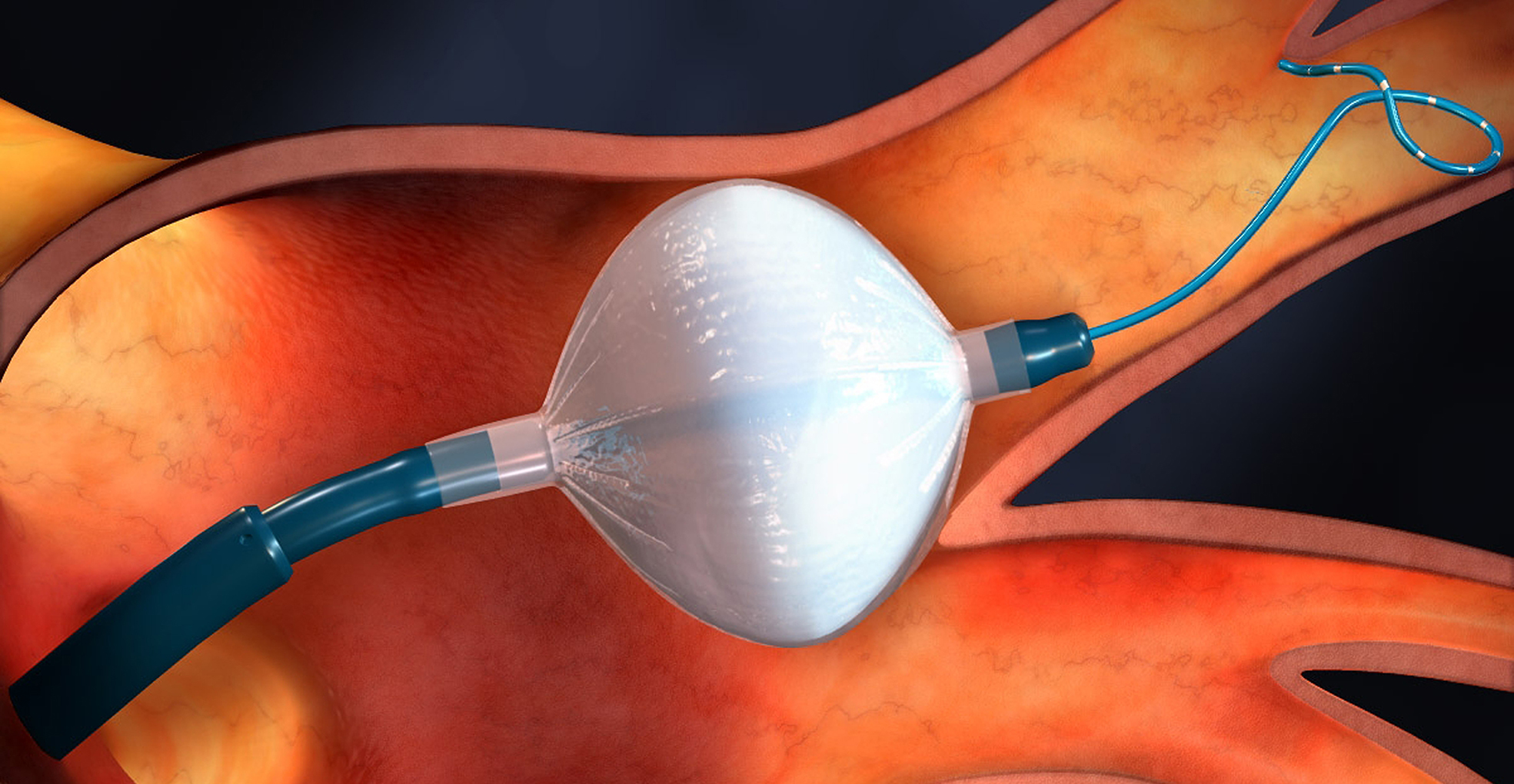
Cryoablation is a minimally invasive medical procedure that uses extreme cold produced by cryoablation devices to destroy unwanted tissue. This technology has revolutionized pain management by providing a safe and effective alternative to traditional surgery for conditions that previously required open or laparoscopic procedures. Let's take a closer look at cryoablation devices and the benefits they provide.
What are Cryoablation Devices?
Cryoablation devices utilize pressurized gas that is cooled to subzero temperatures, usually between -40°C and -80°C, to ablate, or destroy, target tissue. There are a few different types of cryoablation devices:
- Cryoprobes: Long, thin probes with tiny injection ports at the tip that are inserted directly into targeted tissue. Liquid nitrous oxide or argon gas rapidly expands inside the probe, lowering temperatures.
- Cryo balloons/balloons: Inflatable balloons on catheter shafts that are threaded into position and inflated to make contact with tissue lining body cavities or passageways.
- Cryo implants: Implanted probes or needles that remain in the body for repeated freezing cycles over multiple treatment sessions to continually damage regenerating nerves or tumors.
Regardless of design, Cryoablation Devices work by rapidly freezing water inside cells. As ice crystals form, they rupture cell membranes and walls, destroying tissue on a cellular level. Repeated freeze-thaw cycles amplify this effect.
Applications and Advantages of Cryoablation
Cryoablation is used to treat a variety of pain conditions affecting the spine, joints, and nerves. Some common applications and their benefits over alternative treatments include:
Spinal Pain Treatment
- Frozen by cryoablation devices, spinal nerves can no longer transmit pain signals from damaged or arthritic discs and joints. This provides relief from back and leg pain with less risk than open surgery.
Knee and Shoulder Pain
- Frozen cartilage and inflamed synovial tissue in osteoarthritic knees and shoulders can alleviate debilitating pain for years without joint replacement surgery's risks and recovery time.
Trigeminal Neuralgia Relief
- Trigger point freezing with cryoprobes can control facial nerve pain episodes from this disorder, sparing patients from open microsurgery's side effects.
Cancer Pain Palliation
- Metastatic tumors causing intractable bone pain from prostate cancer and other cancers can be soothed through cryoablation without radiation or advanced chemotherapy.
Prostate and Kidney Tumor Therapy
- Emerging evidence shows cryoablation may cure select prostate, kidney and liver cancers caught early, rivaling more radical operations' effectiveness with lower complication rates.
Cryoablation's non-surgical approach has numerous advantages over traditional invasive treatments:
- Outpatient procedure requires only local anesthesia in many cases
- Minimally traumatic with minimal blood loss, scarring and long recovery
- High accuracy and precision in targeting painful structures
- Monitored in real-time with ultrasound or MRI for precise treatment
- Repeatable for persistent/recurrent symptoms unlike one-time surgeries
- Preserves anatomy and function better than destructive nerve severing
Safety and Effectiveness of Cryoablation
Extensive clinical research has proven cryoablation's safety and effectiveness. Major advantages include:
- Minimal complication rates even for vulnerable spinal nerves near the heart and lungs
- Low infection risk due to cell death rather than tissue disruption
- Rare side effects typically mild and temporary like soreness, bruising and swelling
- Immediate pain relief in 60-90% of patients lasting months to years
- Multiple procedures possible with minimal additional risks for recurrent symptoms
- Treatment outcomes comparable or superior to traditional spinal injections and some surgeries
As technology and experience advances, cryoablation is being studied for new indications like cancer immunotherapy by provoking an immune response. Wider adoption combined with portable cryo devices may even enable treatments in physician offices versus operating rooms, bringing the benefits of "cryo" to more patients. Though still evolving, cryoablation already represents a major innovation for controlling intractable chronic pain.
In summary, cryoablation devices have revolutionized pain management by providing a minimally invasive yet highly precise method for destroying painful structures with few risks or side effects. Given its proven safety, effectiveness and advantages over surgery, this cryotechnology promises to remain a pivotal tool for improving quality of life in patients suffering from spine, joint and nerve pain.
Get More Insights On This Topic: https://www.pressreleasebulletin.com/cryoablation-devices-revolutionizing-the-treatment-of-cancer-and-cardiac-diseases/
Explore More Trending Article On This Topic: https://captionssky.com/biologics-a-transformative-field-of-biotechnology/