Chemiluminescence Immunoassay: Illuminating the Future of Diagnostic Technology

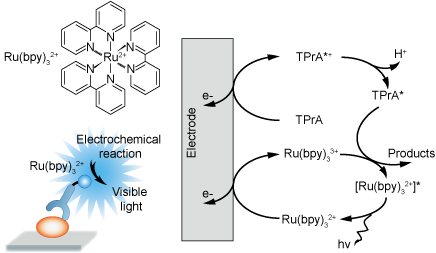
In the realm of diagnostic technology, chemiluminescence immunoassay (CLIA) has emerged as a powerful and versatile technique with widespread applications in medicine, research, and industry. CLIA harnesses the phenomenon of chemiluminescence, where light is emitted as a result of a chemical reaction, to detect and quantify target molecules with exceptional sensitivity and specificity. This article delves into the principles, methodologies, and diverse applications of chemiluminescence immunoassay, highlighting its significance in revolutionizing diagnostics and facilitating advancements in various fields.
Understanding Chemiluminescence Immunoassay
Chemiluminescence is the process of light emission resulting from the release of energy during a chemical reaction. In a CLIA, this reaction occurs between an enzyme-labeled antibody (or antigen) and a chemiluminescent substrate. When the labeled antibody (or antigen) binds to its corresponding target molecule, the enzyme catalyzes the conversion of the substrate, leading to the emission of light. The emitted light is then detected and quantified, providing a measurable signal that correlates with the concentration of the target molecule in the sample.
Methodologies of Chemiluminescence Immunoassay
CLIA can be performed using various methodologies, each tailored to specific applications and requirements. These methodologies include competitive and non-competitive formats, sandwich assays, and direct or indirect CLIA. In a competitive CLIA, the labeled antibody competes with the unlabeled target molecule for binding to the immobilized antigen. In contrast, the non-competitive format involves simultaneous binding of both labeled and unlabeled antibodies to the target molecule. Sandwich assays, on the other hand, employ two antibodies that bind to different epitopes on the target, sandwiching the target molecule for increased specificity.
Clinical Applications of Chemiluminescence Immunoassay
CLIA has found widespread use in clinical diagnostics due to its exceptional sensitivity, wide dynamic range, and multiplexing capabilities. It is routinely employed for the detection of biomarkers, hormones, infectious agents, and autoimmune markers. In diagnosing infectious diseases, CLIA enables rapid and accurate detection of pathogens such as viruses and bacteria, aiding in timely treatment and disease management. In the context of oncology, CLIA facilitates the early detection and monitoring of tumor markers, contributing to improved patient outcomes. Furthermore, CLIA is instrumental in monitoring therapeutic drug levels and assessing organ function, enabling personalized medicine approaches.
Advancements in CLIA Technology
Over the years, advancements in CLIA technology have significantly enhanced its performance and usability. Automated CLIA platforms allow high-throughput analysis of samples, increasing efficiency and reducing turnaround times in clinical laboratories. Additionally, the development of novel chemiluminescent substrates has improved signal stability and sensitivity, enabling detection of even lower concentrations of target molecules. Integration with molecular techniques like polymerase chain reaction (PCR) has further expanded the capabilities of CLIA, enabling nucleic acid detection with high specificity.
CLIA in Research and Drug Development
Beyond clinical diagnostics, CLIA plays a crucial role in research and drug development. It is widely used in pharmaceutical laboratories to screen drug candidates, assess drug interactions, and monitor biomarkers during clinical trials. The ability of CLIA to simultaneously detect multiple analytes in a single sample makes it a valuable tool for biomarker discovery and proteomic studies. Furthermore, CLIA offers a valuable platform for studying cellular signaling pathways, protein-protein interactions, and immune responses, advancing our understanding of disease mechanisms and potential therapeutic targets.
Quality Assurance and Standardization
Ensuring the accuracy and reproducibility of CLIA results is essential for its successful integration into clinical practice and research. Quality assurance measures, such as internal and external controls, proficiency testing, and calibration standards, are employed to monitor assay performance and maintain consistency. Harmonization efforts and standardization guidelines are also critical to ensure comparability of results across different laboratories and platforms, facilitating data exchange and collaboration.
Challenges and Future Perspectives
Despite its numerous advantages, CLIA faces certain challenges, including interference from endogenous substances, matrix effects, and cross-reactivity of antibodies. Ongoing research is focused on overcoming these challenges and further refining the technology. The integration of CLIA with emerging technologies like microfluidics and nanotechnology holds promise in miniaturizing assays, reducing sample volumes, and improving portability for point-of-care applications.
Conclusion
Chemiluminescence immunoassay has proven to be a transformative diagnostic technology with broad applications in clinical diagnostics, research, and drug development. Its exceptional sensitivity, specificity, and versatility make it an indispensable tool in modern healthcare and scientific exploration. As CLIA continues to evolve, facilitated by technological advancements and standardization efforts, it will undoubtedly illuminate the future of diagnostics and contribute to improved patient care and medical breakthroughs across various disciplines.