Cattle Healthcare: Nurturing the Livestock for Optimal Well-Being

Introduction
Cattle, as one of the most essential livestock animals, play a pivotal role in agriculture and food production worldwide. From providing milk and meat to being valuable companions in farming, cattle have been integral to human civilization for centuries. As responsible caretakers of these magnificent creatures, ensuring their health and well-being is paramount. In this blog, we will explore the various aspects of cattle healthcare, including preventive measures, common illnesses, and best practices to maintain a thriving herd.
1. Preventive Healthcare
Just like humans, prevention is the cornerstone of maintaining the health of cattle. By implementing proactive measures, cattle owners can significantly reduce the risk of diseases and ensure a healthy, productive herd. Key elements of preventive healthcare include:
a. Nutrition: Providing a balanced diet rich in essential nutrients is fundamental to cattle health. Proper nutrition ensures robust immune systems, optimal growth, and reproductive success. Consult a veterinarian or an animal nutritionist to create a suitable diet plan based on the specific needs of your cattle.
b. Vaccinations: Vaccinating cattle against common diseases is critical for disease prevention. Common vaccinations include those for bovine viral diarrhea (BVD), infectious bovine rhinotracheitis (IBR), and clostridial diseases. Adhering to vaccination schedules recommended by veterinarians is vital for maintaining immunity.
c. Parasite Control: Internal and external parasites can significantly affect cattle health. Regular deworming and pest control practices, as per veterinarian guidelines, are essential to ensure the well-being of your herd.
d. Clean Environment: A clean and hygienic living environment is essential for preventing diseases and infections. Regularly clean barns, sheds, and water troughs, and provide ample space for cattle to move freely.
2. Identifying Common Illnesses
Despite our best efforts, cattle can still fall ill due to various factors. Prompt identification and early intervention are crucial for successful treatment. Some common illnesses in cattle include:
a. Bovine Respiratory Disease (BRD): BRD is a common and costly illness in cattle, primarily affecting the respiratory system. It can be caused by viruses, bacteria, and stress, often exacerbated by poor ventilation or overcrowding. Early signs include nasal discharge, coughing, and reduced appetite.
b. Mastitis: This udder infection affects dairy cattle and can lead to decreased milk production and quality. Regular udder checks and proper milking practices can help prevent and manage mastitis.
c. Foot and Mouth Disease (FMD): FMD is a highly contagious viral disease that affects cattle's hooves and mouths. Strict biosecurity measures are essential to prevent its spread.
d. Bloat: Cattle can suffer from bloat, a condition where excessive gas accumulates in the rumen, causing distention. Overconsumption of legume-rich forages or lush pastures can trigger this condition.
3. Best Practices for Cattle Healthcare
To ensure the overall well-being and productivity of your cattle, consider incorporating the following best practices:
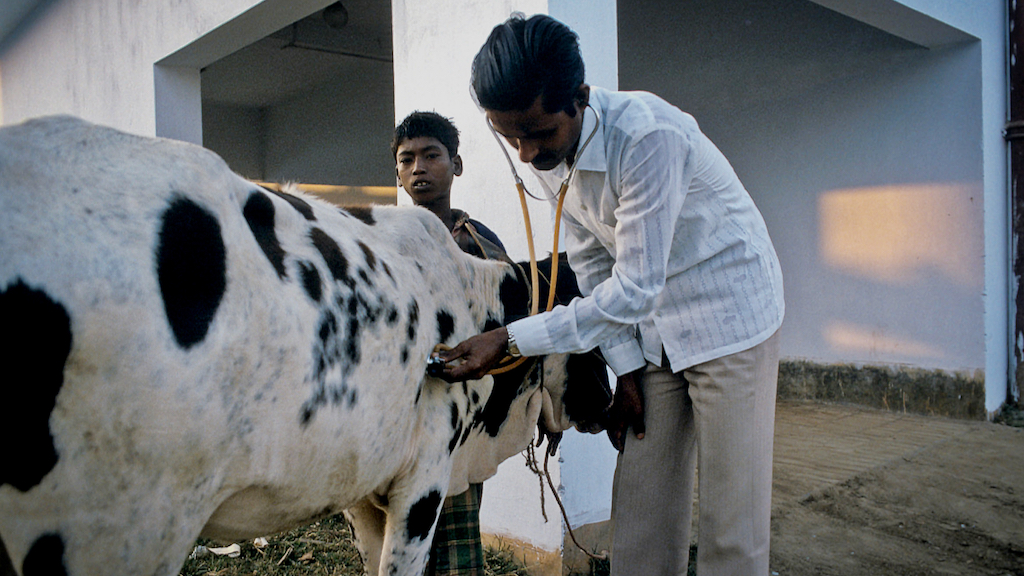
a. Regular Health Checks: Schedule routine health checks with a veterinarian to detect any potential health issues early on.
b. Record Keeping: Maintain detailed records of vaccinations, treatments, and overall health status of individual animals. This aids in effective management and disease tracking.
c. Quarantine and Isolation: When introducing new cattle to the herd, quarantine them for a period to prevent the potential spread of diseases.
d. Proper Handling: Handle cattle calmly and gently to reduce stress, which can make them more susceptible to illnesses.
e. Provide Clean Water and Feed: Fresh, clean water and nutritious feed are essential for the overall health and performance of cattle.
Conclusion
Cattle healthcare is an integral part of responsible animal husbandry. By implementing preventive measures, promptly identifying illnesses, and adopting best practices, we can ensure that our cattle lead healthy and content lives. As caretakers, it is our responsibility to provide them with the care and attention they deserve, contributing to a sustainable and thriving livestock industry. Remember, healthy cattle mean a healthier food supply chain and a prosperous farming community.