Cannabidiol (CBD): Unraveling the Benefits and Myths

Introduction
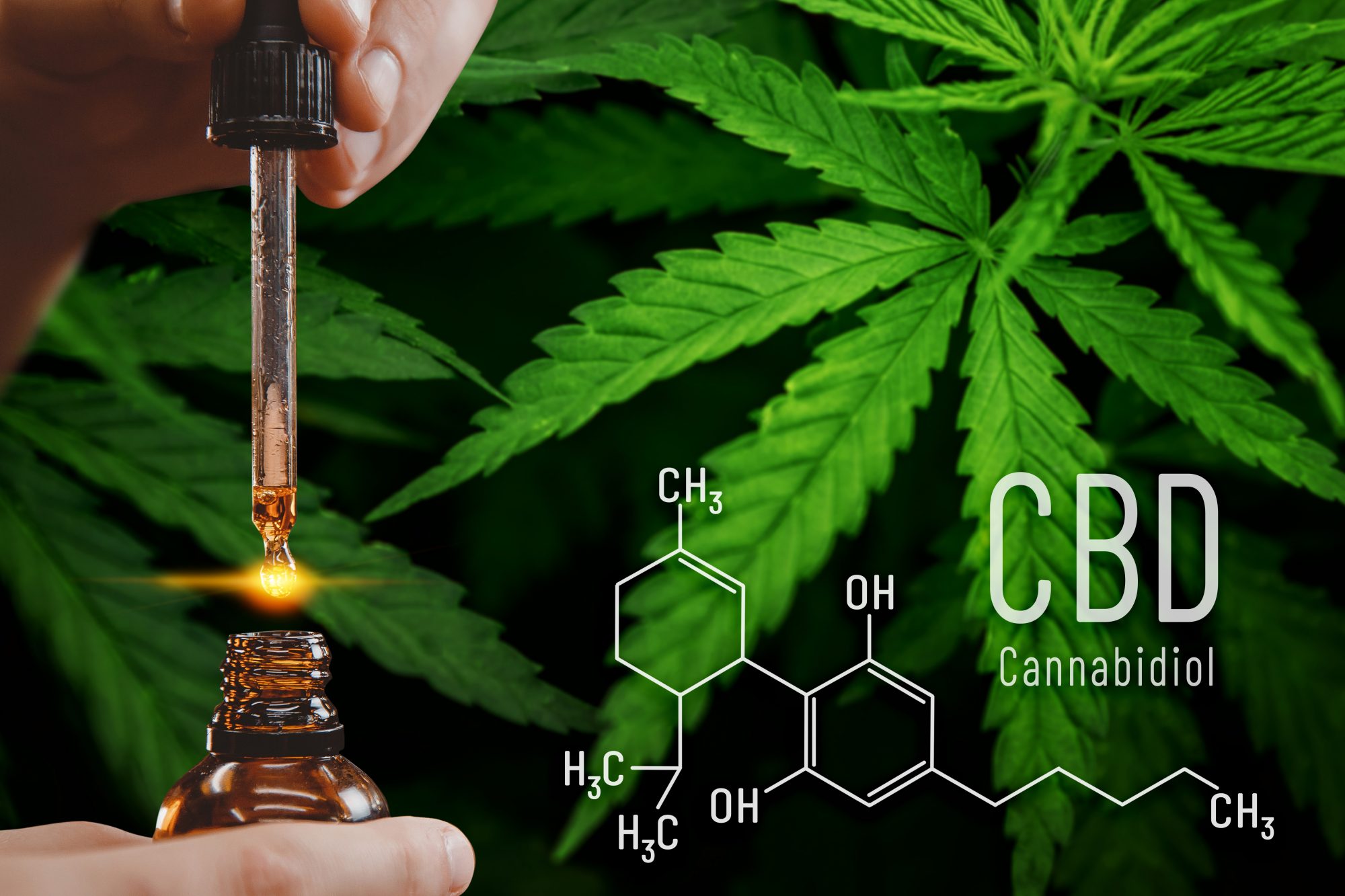
In recent years, there has been a surge of interest in Cannabidiol, commonly known as CBD. With its growing popularity, there's also a lot of misinformation circulating about this compound derived from the cannabis plant. In this blog, we will dive deep into the world of CBD, exploring its potential health benefits, debunking myths, and shedding light on its legal status and safety concerns.
Understanding CBD
CBD is one of the many cannabinoids found in cannabis plants, alongside its more infamous counterpart, THC (tetrahydrocannabinol). Unlike THC, Cannabidiol does not produce psychoactive effects, making it an attractive option for those seeking therapeutic benefits without the high.
The Health Benefits of CBD
-
Pain Management: CBD has been touted for its analgesic properties, with numerous studies suggesting it may help alleviate chronic pain conditions.
-
Anxiety and Depression: Preliminary research indicates that CBD may have anxiolytic and antidepressant effects, potentially offering relief to those struggling with mental health issues.
-
Neuroprotective Effects: Some studies suggest that CBD might have neuroprotective properties, which could be beneficial for individuals with neurological disorders.
-
Anti-Inflammatory Effects: CBD may help reduce inflammation and could be promising in managing conditions like arthritis.
-
Epilepsy: Epidiolex, a CBD-based medication, has been approved by the FDA to treat rare forms of epilepsy.
Debunking Myths Surrounding CBD
-
CBD is Psychoactive: False. CBD does not cause a "high" feeling, as it lacks the psychoactive properties associated with THC.
-
CBD is Illegal Everywhere: Misleading. The legal status of CBD varies by country and region. In many places, CBD products with minimal THC content are legal.
-
CBD is a Cure-All: Exaggeration. While CBD shows promise in various areas, it is not a panacea, and more research is needed to fully understand its capabilities.
Safety Concerns and Side Effects
-
Interaction with Medications: CBD may interact with certain medications, so it's crucial to consult a healthcare professional before use.
-
Quality and Purity: Due to the lack of regulation, it's essential to choose reputable brands that provide third-party lab testing.
-
Side Effects: Although generally well-tolerated, some individuals may experience side effects such as drowsiness, dry mouth, or changes in appetite.
The Legal Landscape
The legality of CBD varies significantly depending on the country and its THC content. Consumers must be aware of the laws in their region before purchasing or using CBD products.
Conclusion
Cannabidiol, or CBD, presents a fascinating and ever-evolving landscape of potential health benefits. As research progresses, we are likely to uncover even more therapeutic applications of this compound. However, consumers should approach CBD with caution, understanding the legalities and potential interactions with other medications. While CBD holds promise, it's essential not to view it as a magical cure, but rather as one of many tools in the pursuit of better health and wellness.