Buprenorphine: An effective treatment for opioid addiction

Introduction
Opioid addiction has become a major public health crisis across the world in recent times. Increased availability and abuse of both prescription and illicit opioids like heroin have led to many struggling with addiction. Thankfully, medical science has progressed and developed effective treatment options for opioid addiction. One such treatment that has shown promising results is the use of buprenorphine.
What is buprenorphine?
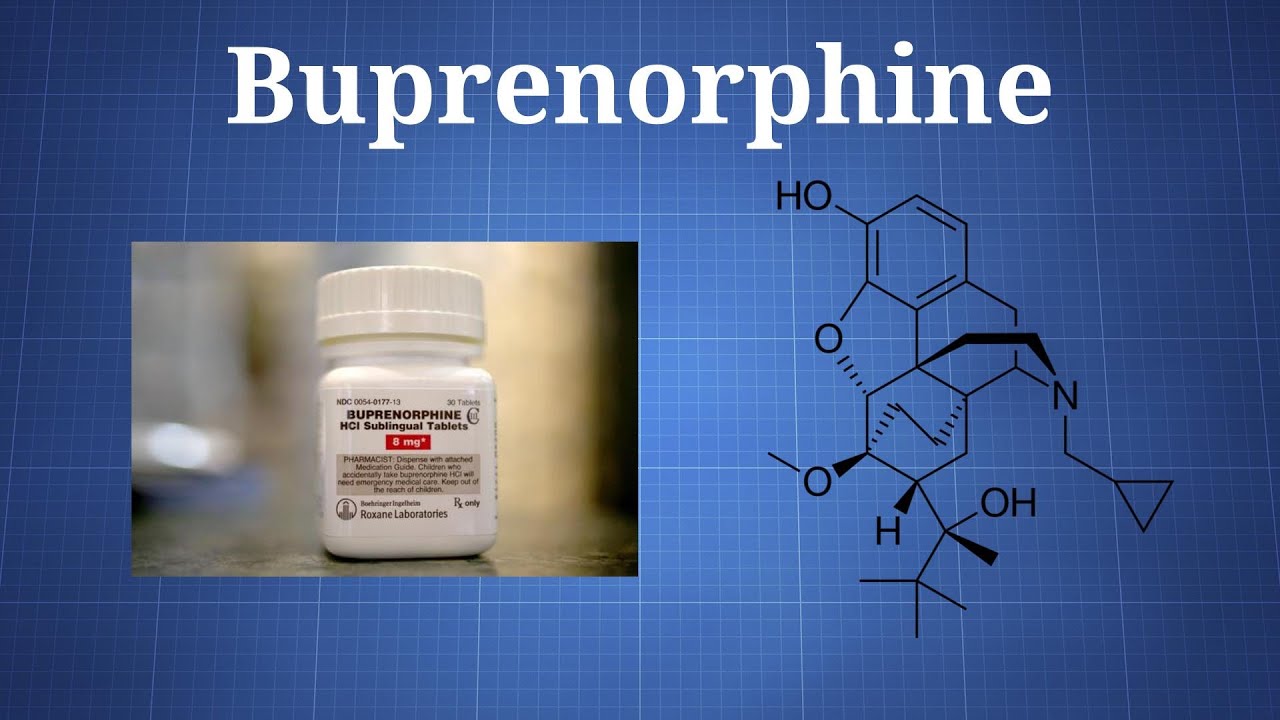
Buprenorphine is a partial opioid agonist that acts on the mu-opioid receptors in the brain, producing opioid effects. However, compared to full agonists like heroin or morphine, its effects are milder and it carries a lower risk of overdose or respiratory depression. It was first approved by the FDA in 2002 as a treatment for opioid dependence.
Buprenorphine has a higher affinity for the mu-opioid receptors than opioids like heroin but produces only partial instead of full agonism of the receptors. This helps reduce cravings for the addictive opioid while easing withdrawal symptoms safely. It comes in sublingual tablet and film formulations that are placed under the tongue for absorption.
How does buprenorphine treatment work?
Buprenorphine treatment involves the supervised use of the medication to help manage withdrawal symptoms and cravings during detoxification and long term recovery from opioid addiction. The treatment usually involves the following steps:
- Induction: The first dose of buprenorphine is administered when the person is experiencing mild to moderate withdrawal symptoms to avoid precipitating sudden withdrawal. This helps the medication displace other opioids from the receptors gradually.
- Stabilization: During this phase, the buprenorphine dose is adjusted to control cravings and symptoms while preventing feelings of euphoria from developing. Therapy is also initiated to address behavioral factors of addiction.
- Maintenance: Individuals remain on a stable dose of buprenorphine, usually 8-24 mg per day, for months or years depending on their recovery needs. This prevents relapse by occupying the opioid receptors.
- Tapering: When the risk of relapse is low, the dose is gradually reduced over weeks or months until discontinuation. A longer period on maintenance therapy leads to better outcomes.
Benefits of buprenorphine treatment
Several research studies have found buprenorphine to be effective in treating opioid dependence. Some of its key benefits include:
- Reduced risk of overdose: Buprenorphine has a ceiling effect and is less likely to cause respiratory depression even in higher doses. This makes it a safer alternative.
- Alleviation of withdrawal symptoms: By acting on opioid receptors, it relieves cravings and physical symptoms during detoxification and stabilization phases of recovery.
- Blocking effects: As long as therapeutic levels are maintained, buprenorphine blocks the euphoric and sedative effects of other opioids if they are abused. This reduces the risk of relapse.
- Convenience: The sublingual formulations allow for flexible dosing schedules under supervision according to patient needs. This improves treatment adherence.
- Effectiveness: Meta-analyses show buprenorphine maintenance more than doubles abstinence rates and reduces illicit opioid use, HIV risk behaviors and criminal activity compared to no treatment or placebo.
- Safety profile: When used as directed under medical care, buprenorphine has a good safety profile comparable to methadone with few side effects or drug interactions. This improves long term outcomes.
Limitations and challenges
While buprenorphine treatment is effective, there are some limitations and challenges to its use and accessibility:
- Diversion risks: Like other opioids, there are concerns about buprenorphine being diverted for misuse or illegal sale on the streets. Strict dispensing regulations aim to minimize this risk.
- Induction challenges: Induction under medical supervision is important to avoid precipitating withdrawal in patients physically dependent on other full agonists like heroin. Delicate dose adjustments are required.
- Stigma: The use of any opioid medicines for addiction treatment remains stigmatized in some settings despite evidence for buprenorphine's advantages over no treatment.
- Access barriers: Lack of accessible treatment facilities and inadequately trained healthcare providers limits access to buprenorphine therapy, especially in underserved regions.
- Expense: Out-of-pocket costs for buprenorphine prescriptions and follow up care can be prohibitive for many without health insurance coverage.
Buprenorphine has increasingly become the standard of care for opioid addiction treatment worldwide due to its safety, effectiveness and tolerability when combined with psychosocial support. Wider access, proper provider education and publicly funded programs would help many more benefit from this life-saving therapy. With due precautions in place, buprenorphine holds promise for reducing the individual and public health burden of opioid dependence.
Get more insights on this topic: Buprenorphine
Explore More Articles: Achondroplasia Treatment