Bronchiectasis Drugs: Current Treatment Approaches, Emerging Therapies, and Management Strategies

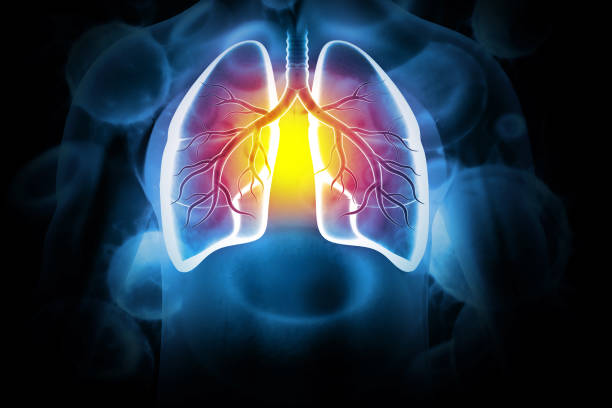
Bronchiectasis is a chronic respiratory condition characterized by the abnormal and permanent dilation of the bronchi and bronchioles, leading to impaired clearance of mucus and recurrent lung infections. While bronchiectasis can be managed through various interventions, including airway clearance techniques and antibiotics, pharmacological treatment plays a central role in controlling symptoms and improving patients' quality of life. This article explores the range of drugs used to treat bronchiectasis, including established therapies, new emerging treatments, and the overall management strategies employed to optimize patient outcomes.
- Understanding Bronchiectasis and Its Causes:
Before delving into drug treatments, it is crucial to understand bronchiectasis drugs and its underlying causes. Chronic respiratory infections, structural abnormalities in the airways, genetic factors, and immune system dysfunction can contribute to bronchiectasis development. The progressive damage to the airways leads to impaired mucociliary clearance and increased susceptibility to bacterial colonization.
- Conventional Bronchiectasis Drugs:
2.1 Bronchodilators: Short-acting and long-acting bronchodilators, such as beta-agonists and anticholinergics, are commonly used to alleviate bronchoconstriction and improve airflow in bronchiectasis patients.
2.2 Mucolytics: Drugs like acetylcysteine and dornase alfa help break down thick mucus, making it easier to clear from the airways and reducing the risk of recurrent infections.
2.3 Antibiotics: Antibiotics play a pivotal role in managing bronchiectasis exacerbations, targeting bacterial infections responsible for increased inflammation and worsened symptoms. Macrolides are particularly beneficial due to their anti-inflammatory properties in addition to their antimicrobial effects.
2.4 Corticosteroids: In some cases, corticosteroids may be prescribed to control airway inflammation and reduce exacerbation frequency, though their long-term use is generally avoided due to potential side effects.
- Emerging Therapies for Bronchiectasis:
3.1 Monoclonal Antibodies: New monoclonal antibodies that target specific inflammatory pathways involved in bronchiectasis are under investigation. These biologics aim to reduce airway inflammation and improve disease control in patients with severe and difficult-to-treat bronchiectasis.
3.2 CFTR Modulators: For bronchiectasis patients with underlying cystic fibrosis (CF) mutations, CFTR modulators hold promise in addressing the underlying genetic defect and improving lung function.
3.3 Anti-Inflammatory Agents: Several novel anti-inflammatory drugs are being studied to target various components of the inflammatory cascade, potentially offering new therapeutic options for bronchiectasis management.
- Airway Clearance Techniques:
Drug therapy is often combined with airway clearance techniques to mobilize and remove mucus from the lungs effectively. These techniques, such as chest physiotherapy, positive expiratory pressure devices, and high-frequency chest wall oscillation, play a vital role in maintaining airway hygiene and reducing the risk of infections.
- Challenges and Future Directions:
Despite advancements in bronchiectasis drug therapy, challenges remain, including limited treatment options for certain patient populations and concerns regarding antibiotic resistance. Ongoing research aims to address these challenges and identify new targets for drug development. Moreover, precision medicine approaches tailored to individual patients' unique characteristics hold the potential to revolutionize bronchiectasis treatment.
- Patient Education and Adherence:
Effective management of bronchiectasis requires patient education on self-care strategies, medication adherence, and recognizing early signs of exacerbations. Empowering patients to take an active role in their treatment can lead to better disease control and improved overall outcomes.
Conclusion:
Bronchiectasis drugs, both established and emerging, form a critical component of the comprehensive management of this chronic respiratory condition. By targeting airway inflammation, reducing mucus production, and combating bacterial infections, these drugs help improve lung function and alleviate symptoms for bronchiectasis patients. With ongoing research and the development of novel therapies, the future holds promise for further enhancing the management of bronchiectasis and offering new hope to individuals living with this challenging respiratory condition. Effective implementation of drug therapy, combined with airway clearance techniques and patient education, can significantly improve the quality of life for bronchiectasis patients and reduce the burden of exacerbations on their respiratory health.