Breathe Better: Steam Inhalers for Allergy and Cold Relief

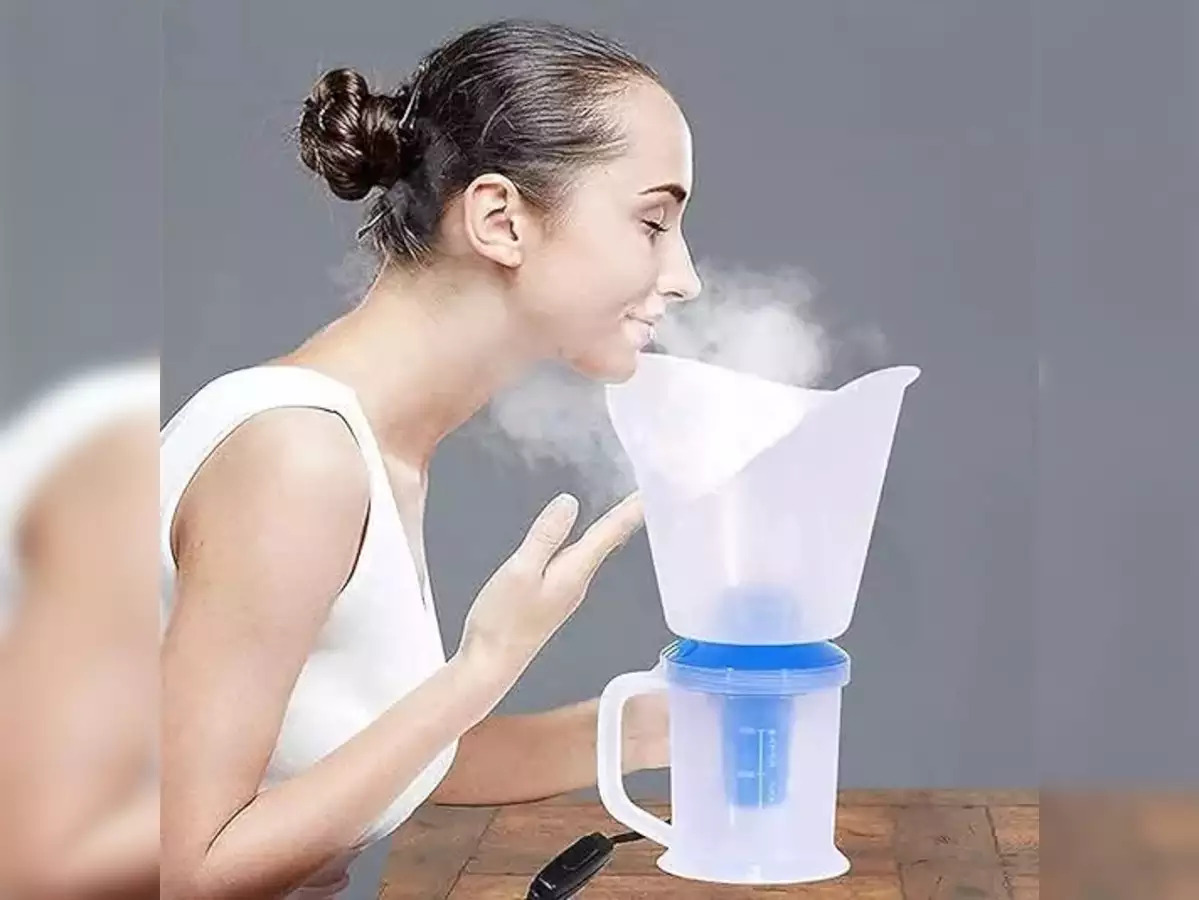
The use of steam therapy for respiratory ailments dates back thousands of years. Ancient Chinese and Indian medicine relied on steaming herbs and infusing them into water vapor to help clear congestion and soothe irritation in the lungs and nasal passages. This traditional practice eventually spread to Europe, gaining popularity as an at-home treatment for colds, flu, asthma, and other breathing issues.
Advancements in Portable Technology
In the modern era, innovations in portable technology have enabled the miniaturization of steam therapy tools. Where people once boiled pots of water on the stovetop or sat in a steam room, now highly compact steam inhaler devices fit easily in the palm of the hand. Advancements such as built-in heaters, steam outlets, and pre-measured treatments have streamlined the process and enabled steam therapy to be done discreetly and conveniently anywhere.
Rise in Popularity
As an alternative remedy seeing widespread use, steam inhalers have found popularity among those pursuing natural and drug-free relief for respiratory conditions. Their ease of use and lack of chemicals or prescriptions appeal to individuals wary of conventional medications. Device sales have grown in recent years, especially during cold and flu season outbreaks when over-the-counter products fly off pharmacy shelves. More compact and feature-rich models continue entering the market to keep up with consumer demand.
Variety of Options
A variety of steam inhaler manufacturers now compete for customers looking for breathable steam therapy. Devices range from simple boiling pots and spouts to high-tech designs incorporating built-in vaporizing stations, respiratory sensors providing precise treatments, and connectivity allowing usage data tracking via mobile apps. Basic single-use versions cost under $10 while higher-end models with expanded features may reach $50-100. An array of scented and herbal steam capsules are also sold separately to customize each treatment.
Mechanisms of Action
The physiological effects of steam inhalation stem from humidifying breathing passages and enhancing mucus flow. As moist heated air is inhaled through the nose or mouth, it hydrates and loosens mucus trapped in sinuses and airways. This facilitates easier expectoration of congestive secretions and provides relief from irritation and blockage. Some research also indicates steam's ability to soothe inflamed tissues through warmth therapy. When using medicinal herb capsules, steam helps carry volatile compounds deep into the lungs where they can diminish inflammation.
Therapeutic Applications of Steam Inhaler Devices
Common conditions routinely finding relief through steam inhalation therapy include:
- Colds and Flu: Help clear nasal congestion, dry coughs, and chest tightness associated with viral infections.
- Allergies: Soothe irritation and drainagemucus buildup from seasonal triggers like pollen.
-Sinusitis: Relax swollen nasal and sinus passagesto ease pressure headache andfacilitate drainage.
-Bronchitis: Help liquify thick mucus cloggingbronchial tubes for easier expulsion throughcoughing.
-Asthma: Steam's humidification propertiescan provide comfort during attacks bycalming irritated airways.
Safety Considerations
While generally very safe when used as directed, there are precautions with steam inhaler devices. Care must be taken to avoid burns from high heat. Pregnant women should check with their doctors before prolonged use. Individuals with certain lung conditions like fibrosis need medical guidance. Herb capsules should be vetted for potentially sensitizing essential oils. And sealing the head fully inside a device is inappropriate due to suffocation risks. With sensible handling, steam therapy offers an accessible, natural option for breathing problems.
As an age-old healing modality now innovatively portable, steam inhalers provide drug-free relief accessible anytime, anywhere for numerous respiratory ailments. Their growing commercial availability coupled with relaxation of societal views on alternative remedies has contributed to this method gaining mainstream recognition alongside staple Western treatments. Going forward, usage data apps and precise home device monitors may help clinicians better integrate steam therapy into treatment recommendations. Barring safety issues, steam inhalation is set to retain widespread popularity for self-care of common respiratory complaints in mobile, tech-savvy societies.