Breaking Barriers: Exploring Cutting-Edge Vaccine Technologies

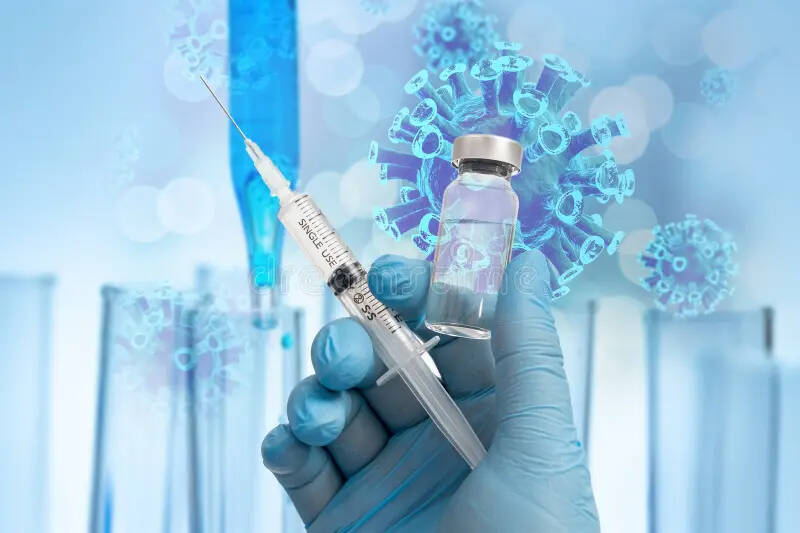
mRNA Vaccines - A Game Changer
Messenger RNA or mRNA vaccines are one of the most promising vaccine technologies to have emerged in recent years. mRNA vaccines work by teaching our cells how to make a protein that triggers an immune response inside our bodies. Unlike traditional vaccines that use weakened or inactivated forms of viruses or bacteria, mRNA vaccines do not contain any live organism.
Instead, mRNA vaccines deliver genetic instructions to our cells to produce spike proteins of viruses like COVID-19. Our immune system then recognizes these foreign spike proteins and produces antibodies and T-cells against them. This primes our immune systems to fight the actual virus if exposed to it in future.
A major advantage of mRNA vaccines is that they can be developed very quickly once the genetic sequence of a virus is known. mRNA Vaccine Technologies allow researchers to design vaccine candidates in a matter of days and eliminate the need to cultivate viruses or develop cell substrates. Both Moderna and Pfizer created and tested their COVID-19 mRNA vaccines in just a few months. This rapid development capability could help contain future pandemics more effectively.
DNA Vaccines - An Alternative Approach
DNA vaccines are another innovative vaccine platform that shows promise, especially for chronic viral infections and cancers. Unlike mRNA vaccines, DNA vaccines work by injecting plasmids containing genetic instructions to produce antigens rather than the antigens themselves.
Once inside the muscle cells, the plasmids use the cellular machinery to produce viral or tumor-specific antigens. This results in antigen expression and a durable immune response. DNA vaccines have several advantages over traditional vaccine approaches - they are very stable, can be readily produced on large scales, and can induce both antibody and T-cell immune responses.
Clinical trials for DNA vaccines against influenza, HIV, Zika virus, and several cancers have shown promising results with good safety profiles. However, challenges remain in optimizing antigen expression from plasmids and inducing robust immune responses comparable to viral vaccines. Researchers are exploring various approaches like electroporation to improve cellular uptake of DNA vaccines.
Virus-Like Particles - A Key Enabler
Virus-like particles or VLPs refer to structures resembling native viruses but lacking the genetic material required for replication. VLPs mimic the native structure of viral surface proteins and present the same epitopes that induce protective immunity. They can be produced through recombinant expression systems using yeast, insect, or mammalian cell cultures.
VLP-based vaccines have been developed against HPV, hepatitis B and norovirus with good success. By delivering virus surface proteins in their native conformation, VLP vaccines can induce long-lasting antibody and T-cell responses superior to other subunit vaccines. VLP production platforms also allow rapid response to pandemics as they don't require handling of intact pathogenic viruses.
Research is ongoing to design modular VLP platforms against multiple pathogens. Self-assembling VLPs displaying epitopes from different viruses could enable development of multivalent vaccines against endemic diseases like influenza, RSV or dengue. VLPs also show promise as vaccine vectors to deliver foreign epitopes against malaria, HIV or cancer antigens. Overall, VLPs represent a safe and effective vaccine technology for preventing viral infections.
Advanced Adjuvants - Improving Vaccine Efficacy
Adjuvants are compounds added to vaccines to enhance and lengthen immune responses. Traditional aluminum-based adjuvants have been the mainstay but newer adjuvant systems now offer more options. Monoclonal antibodies, cytokines, and components of bacterial or viral origin that activate toll-like receptors are being evaluated.
Synthetic pathogen-mimicking molecules called immuno-stimulants provide another novel class of adjuvants. They activate multiple immune pathways through pattern recognition receptors. mRNA-based immune potentiators could also potentially serve as adjuvants, priming innate immune cells to produce cytokines and chemokines at the vaccination site.
Tailoring adjuvants to specific vaccines and targeting older adults are active areas of research. A universal flu vaccine providing multi-seasonal protection will likely require more potent adjuvants. As newer vaccination technologies emerge, developing correlated immune signatures through systems vaccinology approaches will be key to selecting right adjuvants. This coupled with advanced formulation and delivery methods could significantly enhance vaccine efficacy.
Get more insights on Vaccine Technologies