Beyond Boundaries: Telemedicine's Impact on Global Health

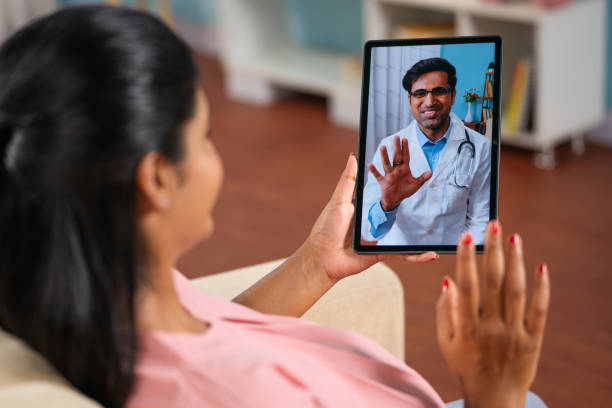
Telemedicine has the potential to revolutionize how healthcare is delivered. With advancing technologies, doctors and patients are no longer restricted by physical barriers. Healthcare can now be accessed from virtually anywhere. This article examines how telemedicine is enhancing care and explores its possibilities for the future.
Improving Access to Care
One of the biggest promises of telemedicine is improving access to healthcare, especially for those living in remote or underserved areas. With telemedicine, people no longer need to travel long distances to see a specialist or get a second opinion. Video conferencing allows patients to virtually "visit" with their doctors from the comfort of their own homes. This is particularly important for those with limited mobility or transportation options like the elderly or those in wheelchairs. Telemedicine also expands the reach of care beyond normal clinic hours. Patients can now connect with providers evenings and weekends for non-emergency issues.
Expanding Specialty Care
In addition to improving general access, telemedicine vastly expands the reach of specialty care. Through virtual technologies, sub-specialists like pediatric endocrinologists or infectious disease experts can see more patients across wider geographic regions. No longer limited to only those who can physically travel to their urban offices, top doctors can utilize telehealth to treat patients globally.
Leveraging New Technologies
The rapid pace of technological change continues fueling telemedicine's evolution. Developments like 5G networks, AI, augmented reality, remote monitoring devices and more bring untapped possibilities. Through these advancements, virtual care delivery will become even more robust, seamless and affordable.
As technologies advance, so too will telemedicine's capacity for extending healthcare's reach into new frontiers. Patients worldwide may one day access quality specialists on demand through their personal devices regardless of location. Unlimited connectivity could mean the end of healthcare deserts and waiting lists as resources are more efficiently distributed on a global scale. The future promises telehealth becoming an indistinguishable aspect of standard medical care delivery.
Ensuring Quality and Safety
While telemedicine's promise seems limitless, its growth requires addressing valid concerns over quality, privacy and clinical oversight. Standards must be put in place to parallel in-person care guidelines while safeguarding sensitive data transmission. Provider credentialing, licensing across state lines and malpractice liability all require addressing the virtual context. Patients too must be educated on telehealth's appropriate uses along with its limitations in replacing traditional care when indicated.
Conclusion
As technologies continue advancing, telehealth capabilities will parallel and one day potentially exceed traditional in-person visits. With appropriate standards and precautions put in place, telemedicine offers safe, effective and affordable care options. Its future incorporation as an indistinguishable part of mainstream medicine could mean healthcare on demand for people globally regardless of location or resources. The revolution has begun, and virtual care's evolution will undoubtedly continue enhancing patient care and experiences for decades to come.