Automated External Defibrillator (AED): Saving Lives with Rapid Intervention in Cardiac Emergencies

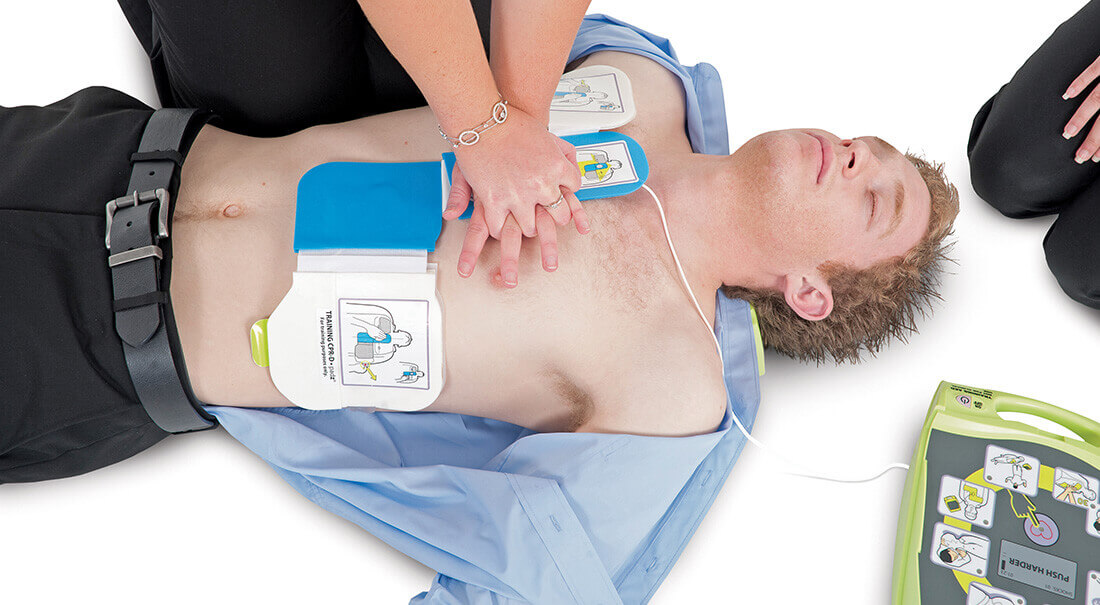
The Automated External Defibrillator (AED) is a life-saving medical device designed to deliver an electric shock to the heart in cases of sudden cardiac arrest (SCA). SCA is a life-threatening condition characterized by the abrupt loss of heart function, and it requires immediate intervention to restore the heart's rhythm. AEDs are user-friendly, portable, and equipped with built-in intelligence, making them accessible to both healthcare professionals and laypersons. This article explores the significance of AEDs, their mechanism of action, widespread deployment, training considerations, and their role in saving lives during cardiac emergencies.
Understanding AEDs and Their Mechanism:
An AED is a compact, battery-operated device that analyzes the heart's electrical activity and delivers a controlled electric shock, known as defibrillation, if it detects a life-threatening arrhythmia, such as ventricular fibrillation (VF) or ventricular tachycardia (VT). These arrhythmias disrupt the heart's normal pumping function and can lead to sudden cardiac arrest. The electric shock delivered by the AED aims to reset the heart's electrical activity, allowing it to resume its normal rhythm.
Widespread Deployment and Accessibility:
AEDs have become increasingly prevalent in public places, such as airports, schools, sports venues, shopping malls, and workplaces. The widespread deployment of AEDs is crucial, as cardiac arrest can happen to anyone, anywhere, and at any time. Having an AED nearby significantly improves the chances of immediate defibrillation, which is vital for successful resuscitation.
Sudden Cardiac Arrest and the Chain of Survival:
The survival rate from sudden cardiac arrest is time-sensitive, and the American Heart Association (AHA) emphasizes the "Chain of Survival" to maximize the chances of survival:
-
Early Recognition and Activation: Promptly recognizing the signs of cardiac arrest and calling for emergency medical assistance are essential for initiating the chain of survival.
-
Early CPR: Starting cardiopulmonary resuscitation (CPR) immediately helps maintain some blood flow to the brain and other vital organs until defibrillation can be administered.
-
Early Defibrillation: Rapidly applying an AED and delivering defibrillation shocks can restore the heart's normal rhythm and greatly increase the chance of survival.
-
Advanced Life Support and Post-Resuscitation Care: Once professional medical help arrives, advanced life support measures are initiated, and comprehensive post-resuscitation care is provided.
Training Considerations and Public Awareness:
AEDs are designed for ease of use, and many models provide clear audio and visual instructions for users to follow. However, appropriate training on basic life support, including CPR and AED use, is crucial to ensure that individuals respond promptly and confidently during emergencies.
Public awareness campaigns and training initiatives play a vital role in increasing the public's willingness to use AEDs and perform CPR when needed. Many organizations and communities conduct AED training sessions and first aid courses to empower individuals with life-saving skills.
AEDs in Healthcare Settings:
In addition to public deployment, AEDs are integral to healthcare settings, including hospitals, ambulances, and clinics. In these settings, AEDs are used by healthcare professionals to respond to cardiac emergencies swiftly and effectively.
Pediatric AEDs:
Special pediatric AED pads or attenuators are available for use on children and infants, as their defibrillation requirements differ from those of adults. Pediatric AEDs analyze the patient's size and adjust the energy level accordingly to ensure safe and effective defibrillation.
Legal Considerations and Good Samaritan Laws:
Many countries have implemented Good Samaritan laws that protect individuals who render assistance in good faith during emergencies. These laws often provide immunity from civil liability for individuals who use AEDs or perform CPR in good faith.
Conclusion:
The Automated External Defibrillator (AED) is a remarkable medical device that has transformed the landscape of cardiac emergency care. Its widespread deployment in public places, combined with proper training and public awareness, has the potential to save countless lives from sudden cardiac arrest. AEDs, along with early recognition, CPR, and advanced life support, form the critical chain of survival, emphasizing the importance of a rapid and coordinated response to cardiac emergencies. As AED technology continues to advance and accessibility improves, its role in saving lives during cardiac emergencies becomes even more significant, solidifying its place as an essential tool in modern healthcare.