Ankylosing Spondylitis: Understanding the Invisible Struggle

Introduction:
Living with a chronic condition like Ankylosing Spondylitis (AS) can be a challenging and often invisible struggle. This inflammatory arthritis primarily affects the spine and sacroiliac joints, causing pain, stiffness, and limited mobility. With its onset usually in early adulthood, AS can significantly impact a person's quality of life. In this blog, we will delve into the complexities of AS, its symptoms, diagnosis, management, and the importance of raising awareness about this often misunderstood condition.
Understanding Ankylosing Spondylitis:
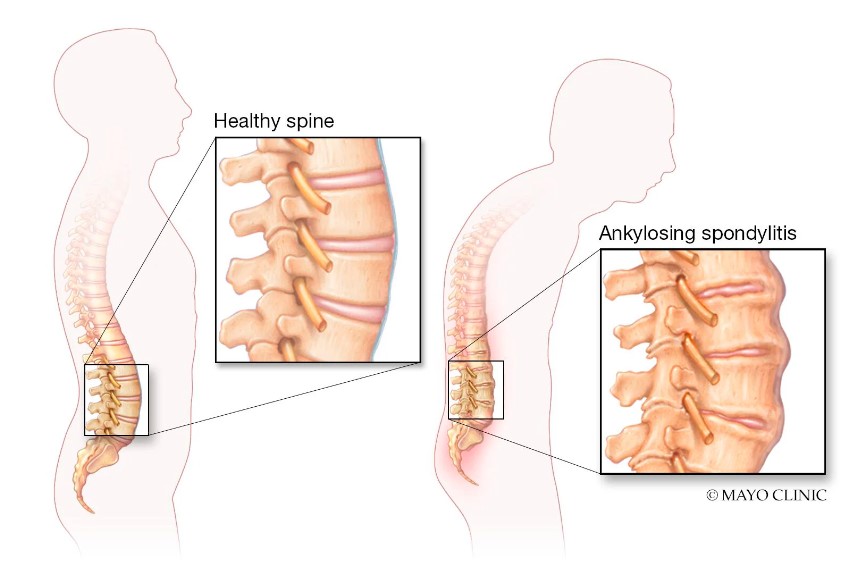
Ankylosing Spondylitis is a form of spondyloarthritis, a group of diseases that involve inflammation of the spine and joints. In AS, the immune system mistakenly attacks healthy tissues, causing inflammation in the affected areas. Over time, this chronic inflammation can lead to the fusion of spinal vertebrae, resulting in a rigid and less flexible spine.
The Invisible Symptoms:
One of the most challenging aspects of AS is that its symptoms are often invisible to others. Fatigue, joint pain, and stiffness can be debilitating, making it difficult for individuals to carry out everyday activities. Moreover, AS can also affect other organs such as the eyes, heart, and lungs, leading to additional health complications.
Diagnosis and Challenges:
Diagnosing AS can be a complex process as its symptoms mimic those of other conditions. Doctors often rely on a combination of medical history, physical examination, imaging tests (X-rays, MRI), and blood tests (HLA-B27 antigen) to make an accurate diagnosis. However, the delay in diagnosis is not uncommon, and many patients experience frustration and uncertainty before receiving a definitive diagnosis.
Managing Ankylosing Spondylitis:
While there is no cure for AS, early diagnosis and appropriate management can significantly improve the patient's quality of life. Treatment options may include medications to reduce inflammation, pain relievers, physical therapy, and regular exercise to maintain flexibility and posture. In severe cases, surgery might be considered to correct spinal deformities and improve mobility.
Psychological Impact:
Living with a chronic condition can take a toll on mental health as well. AS patients often experience anxiety, depression, and social isolation due to the challenges they face daily. Having a strong support network and seeking mental health counseling can be crucial in coping with the emotional aspects of the condition.
Raising Awareness:
Despite affecting millions worldwide, Ankylosing Spondylitis remains relatively unknown compared to other chronic diseases. Raising awareness about AS is vital to promote early diagnosis, better understanding, and support for those living with the condition. Together, we can break the stigma surrounding invisible illnesses and create a more inclusive and empathetic society.
The Role of Exercise:
Exercise is a key component in managing AS symptoms. Low-impact exercises such as swimming, yoga, and stretching can help improve flexibility, reduce pain, and strengthen the muscles supporting the spine. Engaging in regular physical activity is essential for maintaining mobility and preventing further complications.
Nutrition and AS:
A balanced and anti-inflammatory diet can complement medical treatment for AS. Including foods rich in omega-3 fatty acids, antioxidants, and anti-inflammatory properties can help reduce inflammation and support overall health. Consulting a registered dietitian to create a personalized nutrition plan is recommended.
Breaking Stereotypes:
AS can affect people of all ages, genders, and backgrounds. Breaking the stereotype that it only impacts older individuals or men is crucial in encouraging timely medical attention and empathy towards all AS patients. Let's embrace diversity and support each other in our journeys with chronic illnesses.
Empowering AS Warriors:
Individuals living with AS are not just patients; they are warriors battling against their condition every day. Empowering them with knowledge, resources, and emotional support can make a significant difference in their lives. Together, we can raise our voices and create a more inclusive world for all.
Conclusion:
Ankylosing Spondylitis may be invisible to the eye, but its impact on the lives of those affected is very real. By increasing awareness, supporting research, and promoting empathy, we can create a more understanding and compassionate society for individuals living with AS. Let us stand together as a community, advocating for better healthcare, more effective treatments, and a brighter future for all AS warriors.