Advancing Healthcare with Robotics: Revolutionizing Patient Care

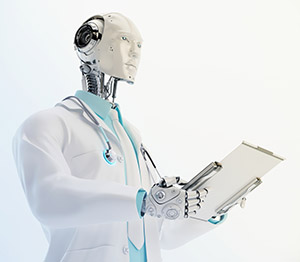
The world of healthcare is on the cusp of a technological revolution, and robotics is playing a pivotal role in reshaping patient care. With rapid advancements in artificial intelligence and engineering, healthcare robotics is making significant strides in diagnostics, treatment, surgery, and rehabilitation. In this blog, we will explore the transformative impact of healthcare robotics and how it is shaping the future of medicine.
- Robotic Assisted Surgery - Precision and Minimally Invasive Procedures
One of the most significant contributions of healthcare robotics is in the field of surgery. Robotic-assisted surgery has revolutionized the way complex procedures are performed. Robots equipped with advanced sensors and instruments allow surgeons to perform operations with unparalleled precision and accuracy. This minimally invasive approach results in reduced scarring, shorter hospital stays, and faster recovery times for patients. The da Vinci Surgical System, a widely recognized surgical robot, has already transformed numerous surgical disciplines, from urology to gynecology and beyond.
- Autonomous Healthcare Assistants - Enhancing Patient Care
Robots are becoming valuable assets in patient care, providing companionship and assistance to those in need. Autonomous healthcare assistants can support elderly patients, individuals with disabilities, and those undergoing physical therapy. These robots can remind patients to take medications, monitor vital signs, and even perform routine tasks such as fetching water or bringing items to patients' bedsides. This technology alleviates the burden on healthcare professionals, allowing them to focus on more critical and specialized aspects of patient care.
- Telemedicine and Robotic Consultations - Breaking Geographic Barriers
Healthcare robotics is bridging geographical gaps and improving access to medical expertise through telemedicine. Remote-controlled robots equipped with cameras and screens can be used for virtual consultations with healthcare providers. These robots enable doctors to assess patients and communicate with them directly, regardless of the patient's location. For rural and underserved areas, this technology is a game-changer, bringing high-quality healthcare services closer to the communities that need them the most.
- Robotics in Rehabilitation - Empowering Patients to Recover
Rehabilitation is an essential part of the recovery process for many patients. Robots are now playing a role in physical therapy and neurological rehabilitation. Robotic exoskeletons, for example, can assist patients with mobility impairments in regaining strength and relearning motor skills. These devices provide personalized therapy programs and continuous monitoring of the patient's progress, optimizing the rehabilitation process.
- AI in Diagnostics - Early Detection and Precision Medicine
Artificial intelligence (AI) is making remarkable contributions to healthcare diagnostics. Machine learning algorithms can analyze vast amounts of patient data, including medical images, genetic information, and health records, to detect patterns and identify potential health risks. This early detection allows for timely intervention and personalized treatment plans, advancing the field of precision medicine. AI-powered diagnostics are transforming disease management, improving patient outcomes, and saving lives.
- Robotic Drug Delivery - Targeted and Efficient Treatment
Robotic drug delivery systems are changing the way medications are administered. These intelligent systems can precisely target specific areas within the body, delivering drugs directly to affected tissues or organs. This approach minimizes side effects and enhances the therapeutic efficacy of medications. Additionally, these robots can provide continuous monitoring of drug levels, ensuring optimal dosage adjustments for each patient.
Conclusion
The integration of robotics in healthcare has unlocked a myriad of possibilities, promising a future of more precise, accessible, and patient-centered medical care. From surgical precision and autonomous healthcare assistants to telemedicine and AI-driven diagnostics, the potential of healthcare robotics is vast. As we continue to harness the power of technology, we must also address ethical, privacy, and safety concerns to ensure that robotics in healthcare remain a boon rather than a bane.