Advancements in Targeted Drug Delivery Revolutionizing Medicine for Precision Healthcare

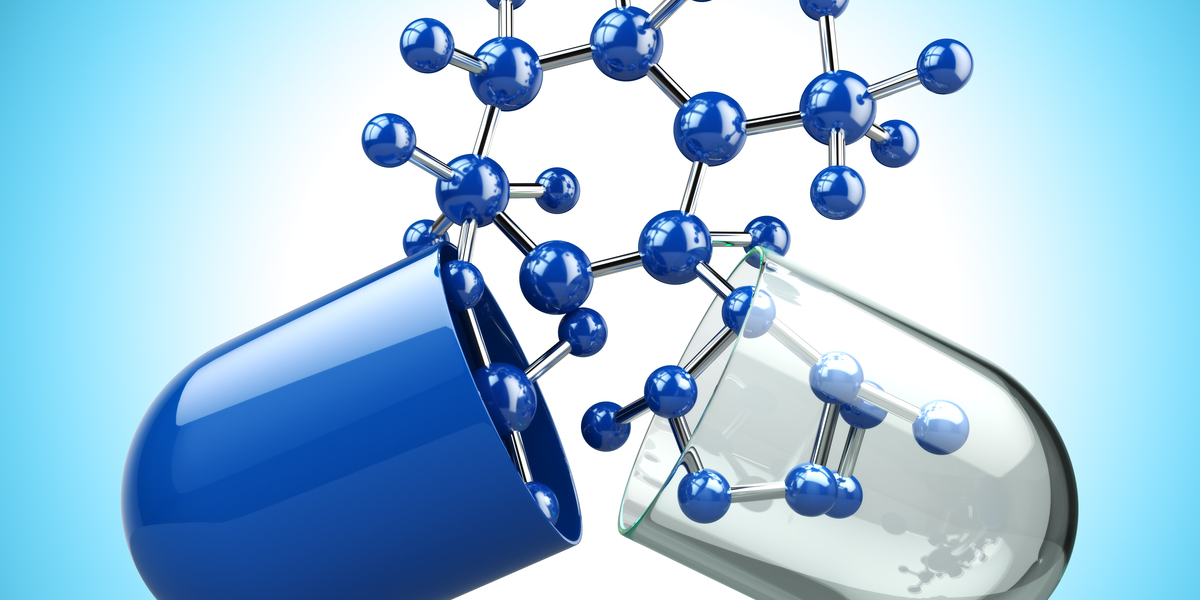
Targeted drug delivery is a technique where pharmaceutical drugs are encapsulated or attached to specific carriers that transport and release the drugs inside the body at the targeted site of action, minimizing toxicity to healthy tissues. With several advances in nanotechnology and material sciences, targeted drug delivery has enormous potential to revolutionize medicine and healthcare.
What is Targeted Drug Delivery?
Targeted drug delivery aims to direct pharmaceutical compounds to specific locations of the body by encapsulating or conjugating them with targeting ligands. This targeting can be passive or active. Passive targeting relies on physiological characteristics of diseased tissue like enhanced permeability and retention effect in tumors. Active targeting uses targeting ligands like monoclonal antibodies that recognize receptors overexpressed on diseased cells to gain entry. The drugs are released at the diseased site in a sustained, controlled manner improving treatment efficacy with reduced side effects.
Forms of Targeted Delivery
Some key forms of targeted drug delivery include:
Liposomes: Lipid vesicles made of phospholipids that can encapsulate both hydrophilic and hydrophobic drugs. They allow sustained release and preferential accumulation in tumors.
Nanoparticles: Nanosized polymeric or lipid particles between 10-1000nm used to incorporate drugs. Surface functionalization allows binding of targeting ligands.
Dendrimers: Nanometer-sized, monodisperse, highly branched polymers used for encapsulation and attachment of targeting moieties.
Other emerging forms include exosomes, polymersomes, micelles, viral vectors, microbubbles, etc. that help overcome physiological barriers and achieve efficient targeting.
Applications in Major Diseases
Targeted drug delivery can revolutionize treatment outcomes across several disease areas:
Cancer: Targeted therapies help in overcoming issues like toxicity, resistance and improve treatment of cancers like lung cancer, breast cancer, etc. Monoclonal antibody-drug conjugates proved highly effective against several cancers.
Neurological Disorders: Targeted nanocarriers help cross the blood-brain barrier and deliver drugs specifically to brain tumors, tissue injuries or neurodegenerative conditions like Alzheimer’s and Parkinson's disease.
Cardiovascular Diseases: Targeted Drug Delivery therapies help treat atherosclerosis, restenosis post angioplasty and deliver thrombolytic drugs specifically at clots with reduced systemic effects.
Infectious Diseases: Pathogen targeting helps deliver antitubercular, antimalarial, antiviral drugs specifically at the site of infection reducing toxicity and side effects.
Advantages of Targeted Delivery
Some key advantages of targeted drug delivery include:
- Improved therapeutic efficacy of drugs with increased concentration at target site and reduced systemic exposure.
- Sustained and controlled release of encapsulated drugs helping overcome issues like short half-life, repeated dosing.
- Reduced side effects and toxicity to healthy tissues by minimizing unintended uptake of drugs elsewhere in the body.
- Ability to deliver both hydrophilic and hydrophobic drug molecules to their targeted sites of action.
- Overcoming physiological barriers like blood-brain barrier helps expand therapeutic applications.
- Potential for personalized medicine by tailoring drug carriers for individual patient characteristics.
Challenges and Future Directions
While targeted delivery holds immense potential, some challenges remain:
- Understanding complex in vivo biological barriers and developing robust targeting is still a major challenge. Not all preclinical successes translate well clinically.
- Large scale, cost-effective and reproducible manufacturing of advanced drug delivery systems requires further progress.
- Interpatient pharmacokinetic variability remains an issue calling for personalized formulations.
- Limited shelf-life of some delivery systems remains problematic requiring cold chain storage.
Going forward, more synergistic combination of nanotechnology, material sciences and biomedical engineering will help overcome these hurdles. Incorporating intelligent feedback mechanisms, multi-functional capabilities, on-demand drug release will further enhance targeted delivery. With continuous progress, targeted delivery is poised to revolutionize medicine making it more effective, safer and affordable especially for chronic and complex diseases. It will pave the way for truly personalized healthcare approach custom tailored for individual patients.
Get more insights on Targeted Drug Delivery