Advancements in Retractable Needle Safety Syringes: Enhancing Healthcare Safety and Needlestick Prevention

Introduction:
In the field of healthcare, syringes are essential tools used to administer medications, vaccines, and various medical procedures. However, conventional syringes come with potential risks, particularly the risk of needlestick injuries, which can lead to the transmission of infectious diseases from patients to healthcare workers. To address this concern, significant strides have been made in the development of retractable needle safety syringes. These innovative devices offer a safer and more efficient alternative, reducing the incidence of needlestick injuries and enhancing overall healthcare safety.
- Understanding the Needlestick Problem:
Needlestick injuries pose a serious risk to healthcare workers, including doctors, nurses, and other medical personnel. According to the World Health Organization (WHO), millions of needlestick injuries occur worldwide each year, exposing healthcare professionals to the potential transmission of bloodborne pathogens like HIV, hepatitis B, and hepatitis C. These injuries not only jeopardize the health of medical staff but also lead to increased medical costs, absenteeism, and emotional distress.
- The Emergence of Retractable Needle Safety Syringes:
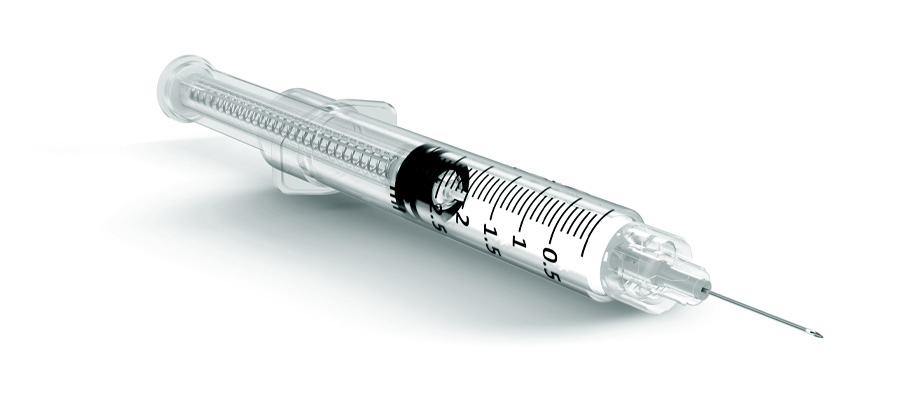
Retractable needle safety syringes have emerged as a crucial solution to the needlestick problem. The design of these syringes includes a needle that can be automatically or manually retracted into the syringe barrel after use. The needle retraction feature reduces the risk of accidental needlestick injuries, as the needle becomes safely concealed within the syringe, minimizing the chance of exposure to bloodborne pathogens.
- Key Features and Mechanisms:
Modern retractable needle safety syringes are equipped with several key features and mechanisms that make them effective in enhancing healthcare safety:
a. Automatic Retraction: Some syringes are designed with an automatic retraction mechanism that activates immediately after the injection is complete. Upon full depression of the plunger, a spring or other mechanism retracts the needle into the syringe barrel, creating a protective barrier.
b. Manual Retraction: In manual retraction syringes, the healthcare professional must activate the retraction mechanism by a specific action, such as pressing a button or pulling a tab, after administering the medication. This manual process ensures that the needle is safely withdrawn before disposal.
c. Audible and Visual Indicators: Many retractable needle safety syringes are equipped with audible and visual indicators that confirm the successful retraction of the needle. These indicators provide reassurance to healthcare workers that the syringe is now safe for disposal.
d. Needlestick Prevention Shield: Some syringes come with an additional protective shield that covers the needle after retraction, further reducing the risk of accidental contact with the needle during disposal.
- Advantages of Retractable Needle Safety Syringes:
The implementation of retractable needle safety syringes offers numerous advantages that contribute to healthcare safety and needlestick prevention:
a. Reduced Needlestick Injuries: The primary benefit of these syringes is a significant reduction in needlestick injuries among healthcare professionals. By eliminating the exposed needle, the risk of accidental punctures is minimized.
b. Enhanced Patient Safety: Retractable needle syringes also improve patient safety by reducing the likelihood of needle reuse and cross-contamination, leading to improved infection control.
c. Regulatory Compliance: Many healthcare regulatory bodies, recognizing the importance of needlestick prevention, are encouraging or mandating the use of safety syringes. Adopting retractable needle safety syringes ensures compliance with these regulations.
d. Public Confidence: The use of advanced safety syringes enhances public confidence in healthcare services, showing a commitment to patient and worker safety.
Conclusion:
Advancements in retractable needle safety syringes have transformed the landscape of healthcare safety, significantly reducing the risks associated with needlestick injuries for both patients and healthcare workers. These innovative devices have proven to be effective, user-friendly, and essential tools in preventing the transmission of infectious diseases, improving patient care, and fostering a safer environment within healthcare facilities. Embracing these technologies is a crucial step towards achieving the ultimate goal of a safer and healthier healthcare system.